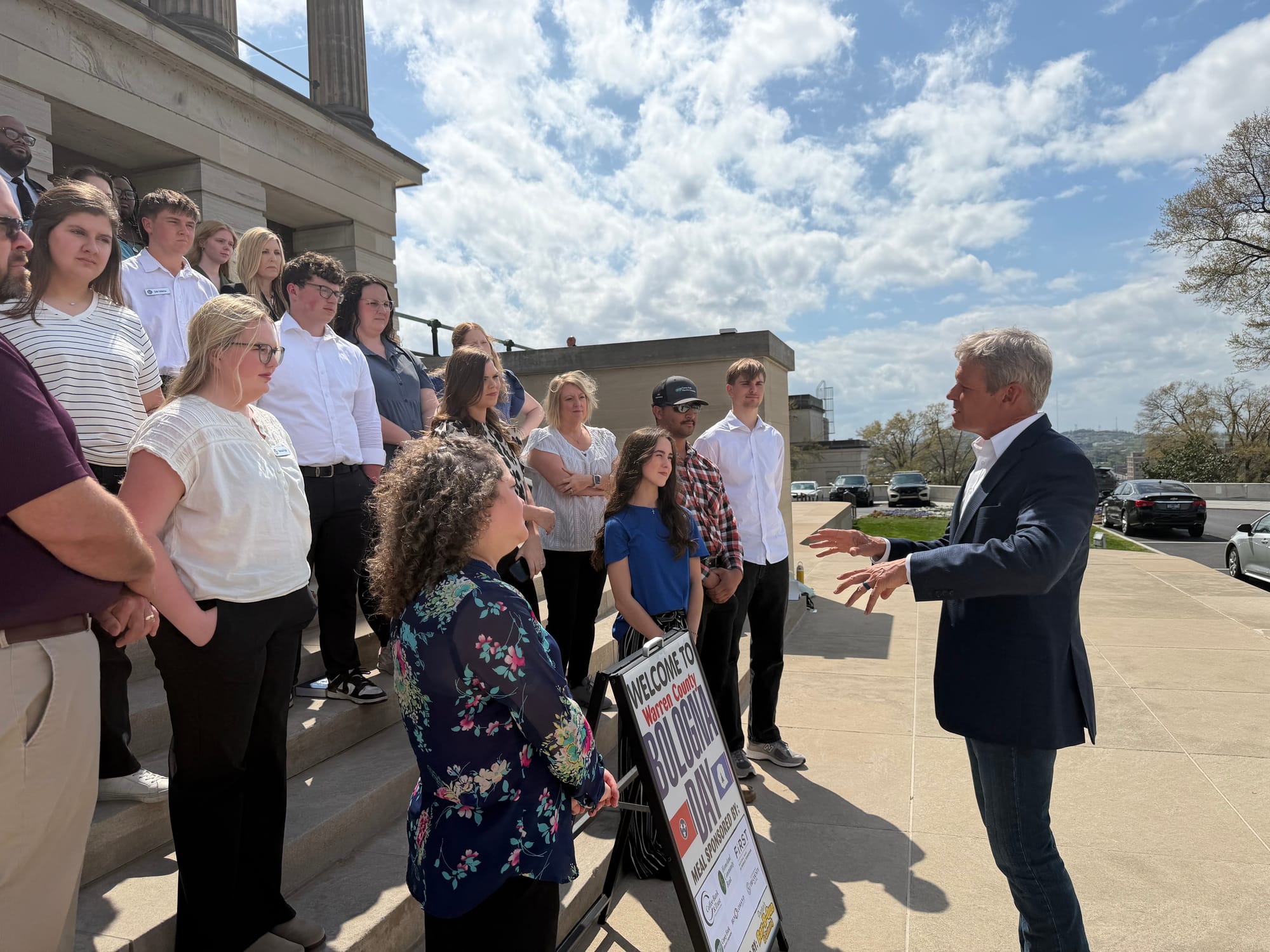
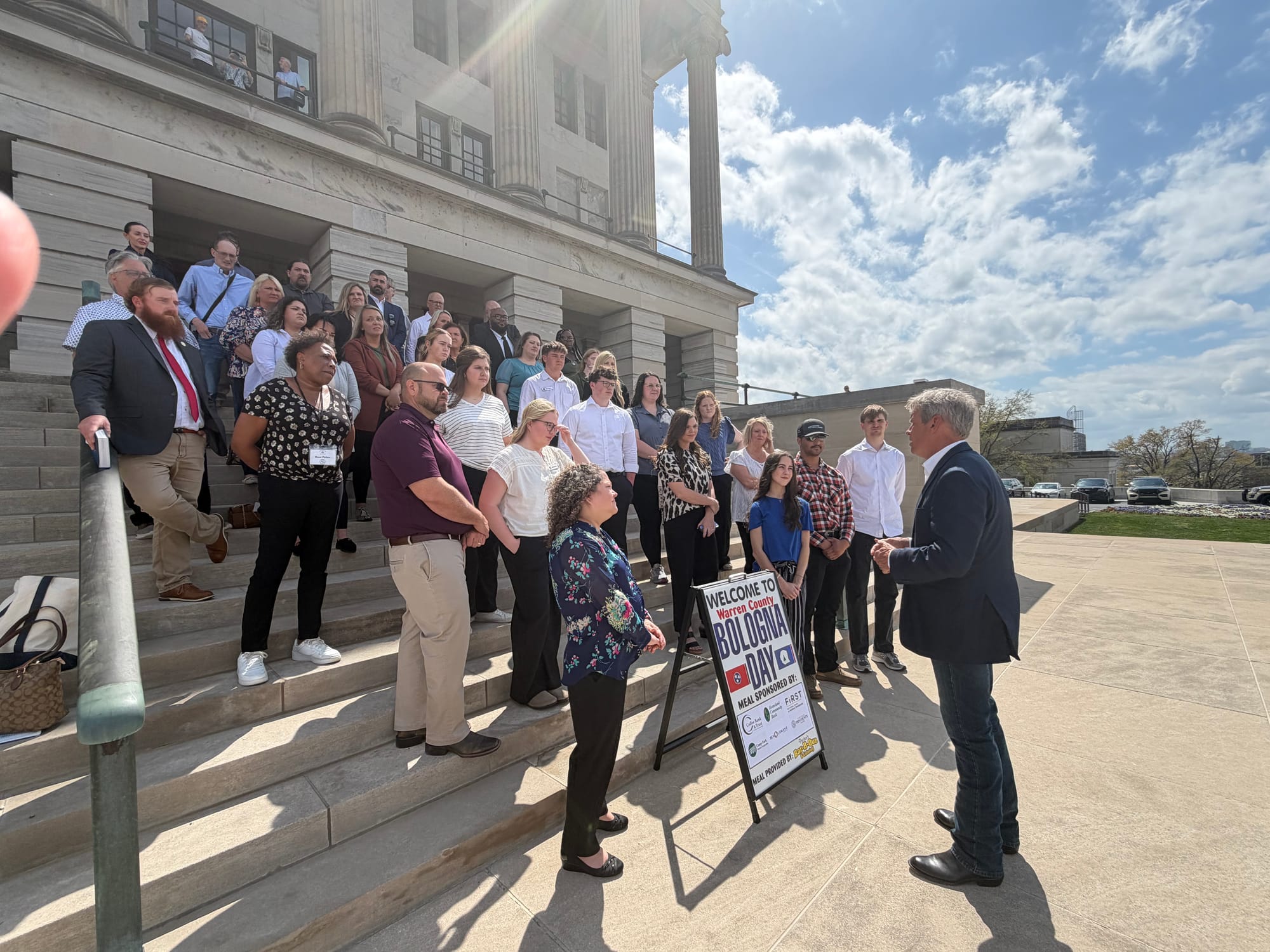
Warren County leaders visit Capitol, hear debate on key state issues


Warren County leaders got a firsthand look at state government Tuesday during the annual “Bologna Day” trip to Nashville, gaining direct access to elected officials and a closer understanding of how decisions made at the Capitol impact local communities.
The trip, organized through the McMinnville-Warren County Chamber of Commerce, brought together members of the Leadership class and Youth Leadership participants, along with local elected officials and community leaders.
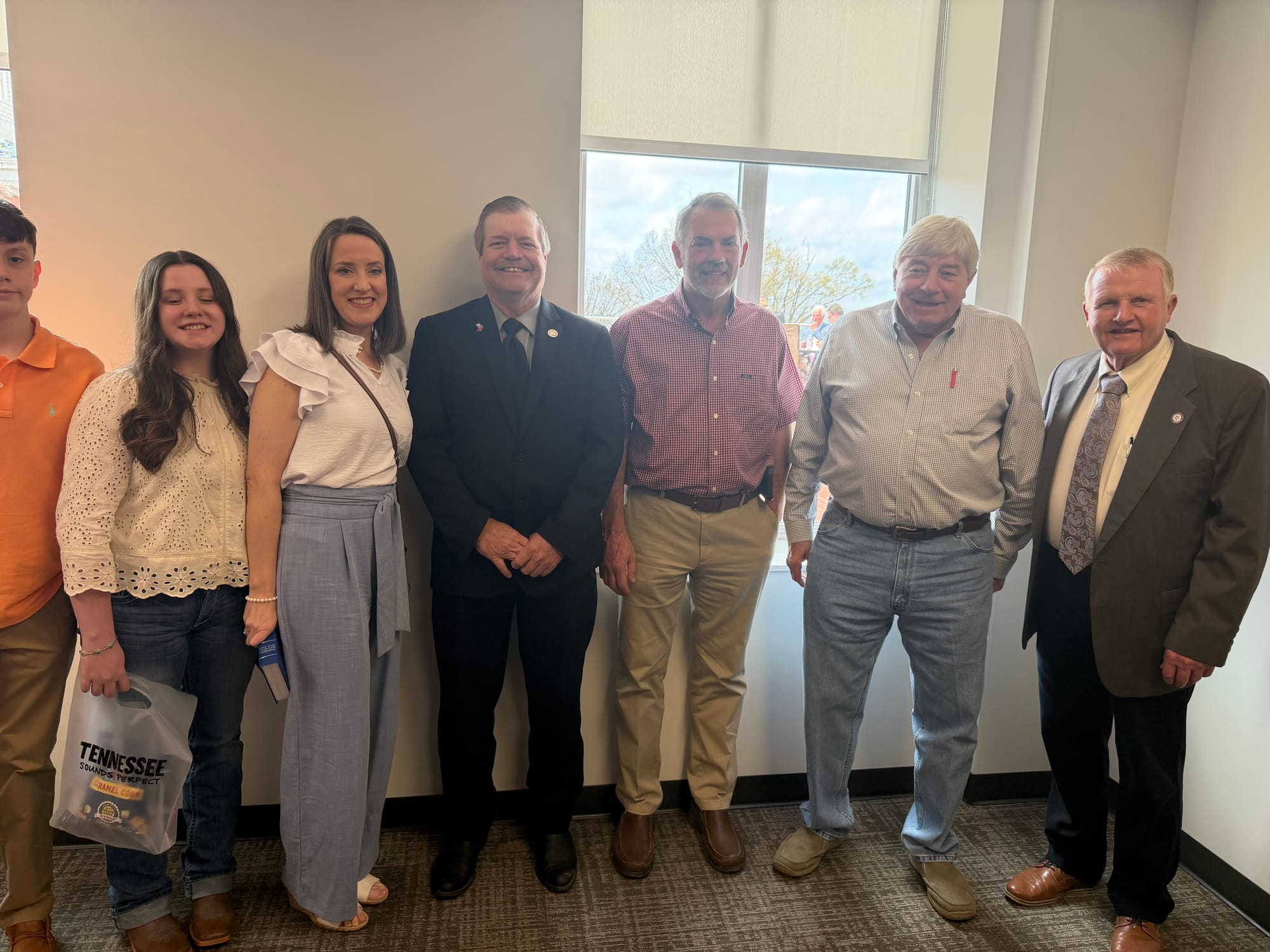
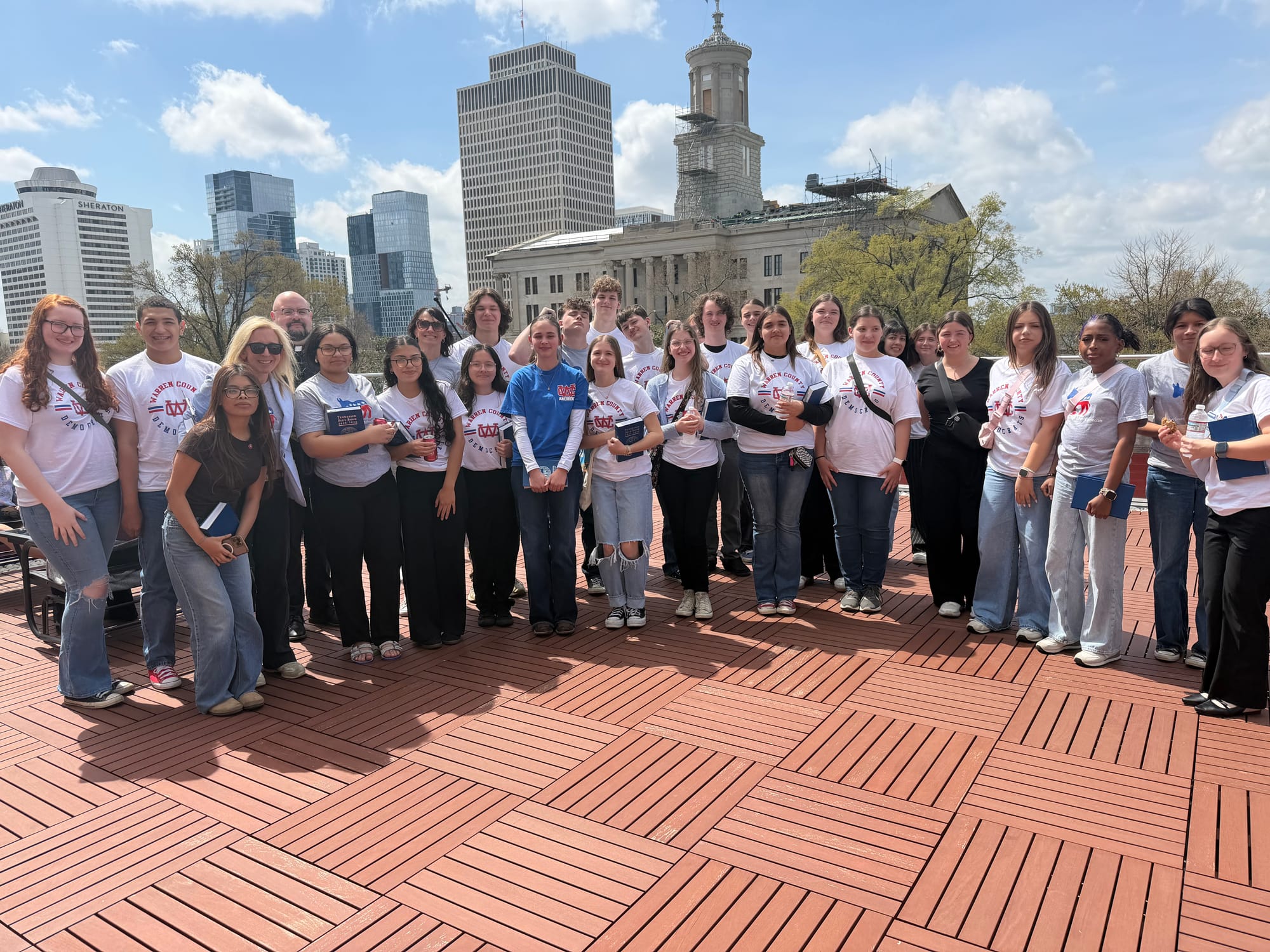
Among those attending were County Executive Terry Bell, Commissioners Brad Hillis and Gary Prater, Republican Party Chair Lynesa Bell and Democratic Party Chair Joseph Moore. Students representing both the Young Republicans and Young Democrats from Warren County High School were also in attendance.
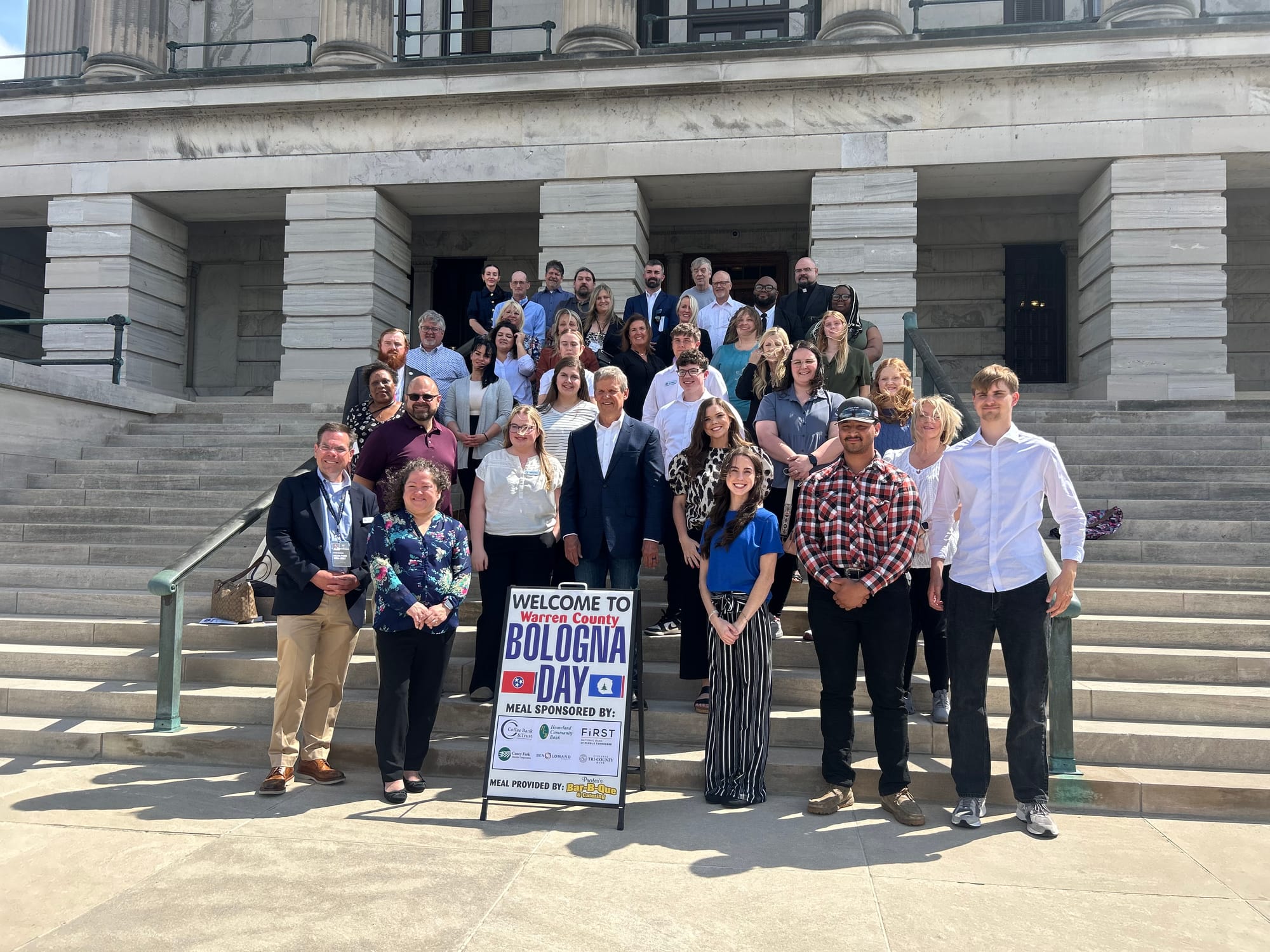
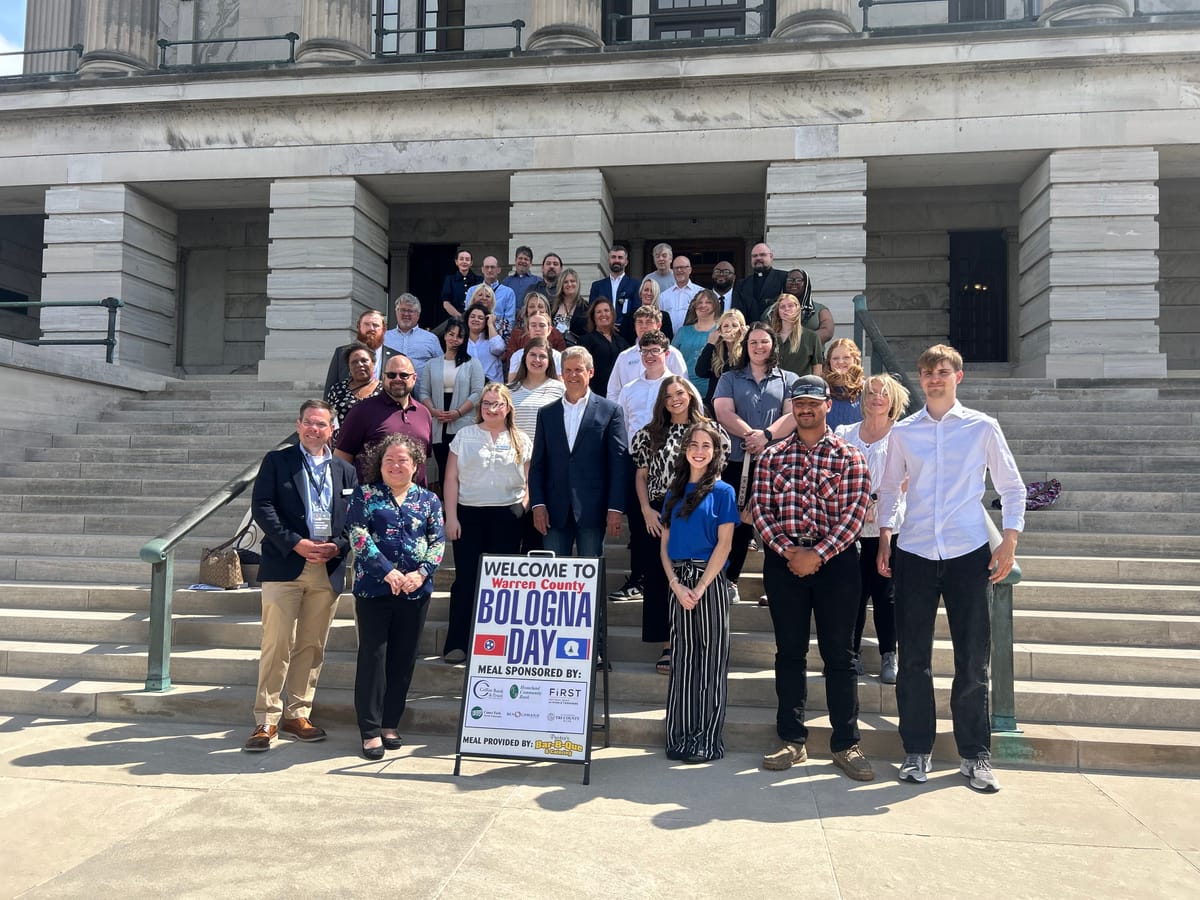
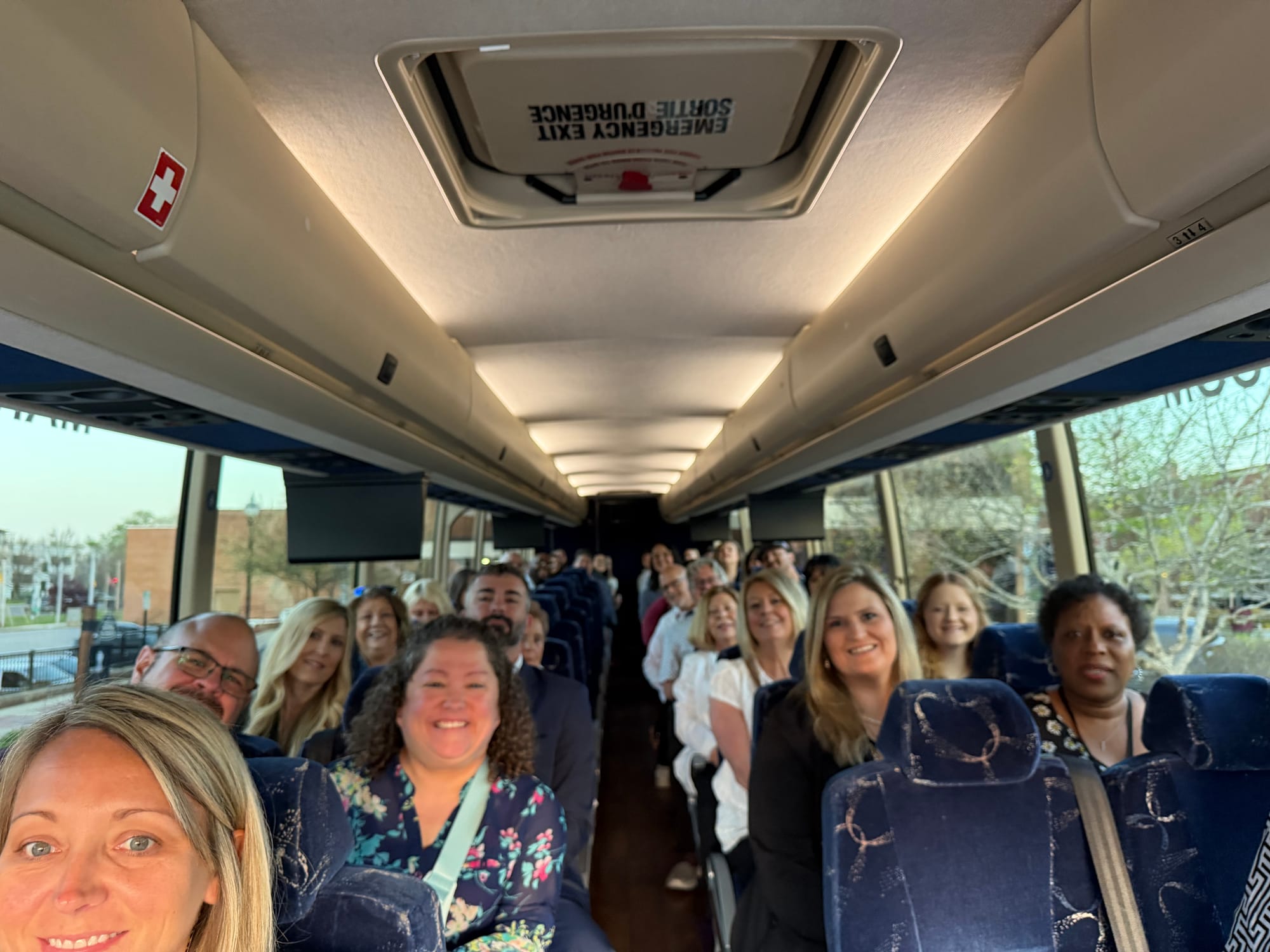
The group departed McMinnville just before 7 a.m. and arrived in Nashville mid-morning before gathering on the steps of the State Capitol for a group photo.
Inside the Capitol
From there, the group moved into the Tennessee Supreme Court chamber, where State Rep. Paul Sherrell welcomed attendees, followed by remarks from his assistant.
Tennessee Secretary of State Tre Hargett also spoke with the group, highlighting the responsibilities of his office and noting that it is the fourth-ranking constitutional office in the state, behind the governor, lieutenant governor and speaker of the house.
Hargett said Tennessee continues to face challenges with voter registration levels. When asked by Youth Leadership participant, Sky Smith, whether the SAVE Act would impact voter turnout, he said he did not believe it would significantly change participation. He added that he believes Tennessee runs elections effectively and emphasized the importance of maintaining state control over election processes.
Lt. Gov. Randy McNally made a brief appearance before turning the program over to House Speaker Cameron Sexton.
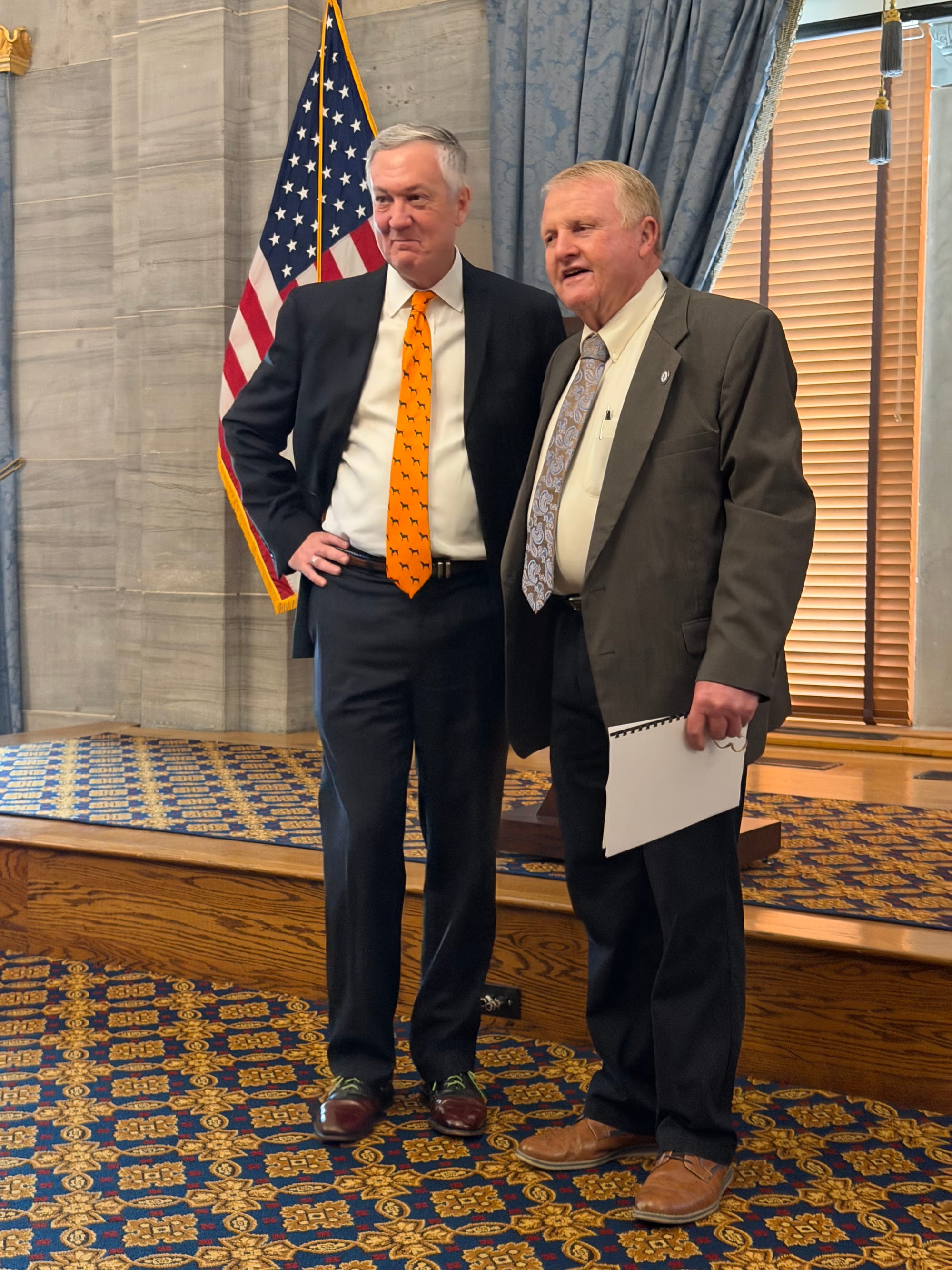
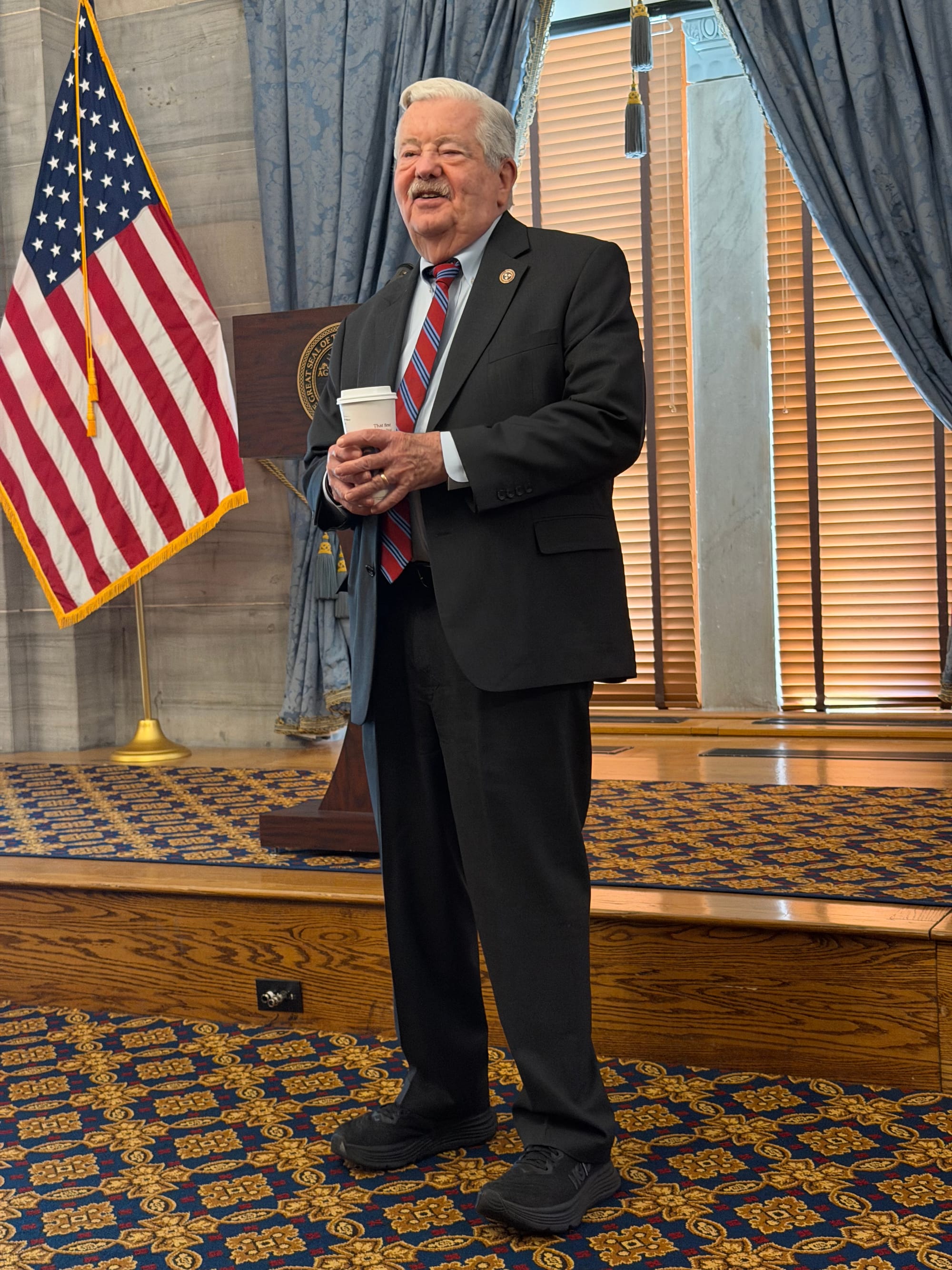
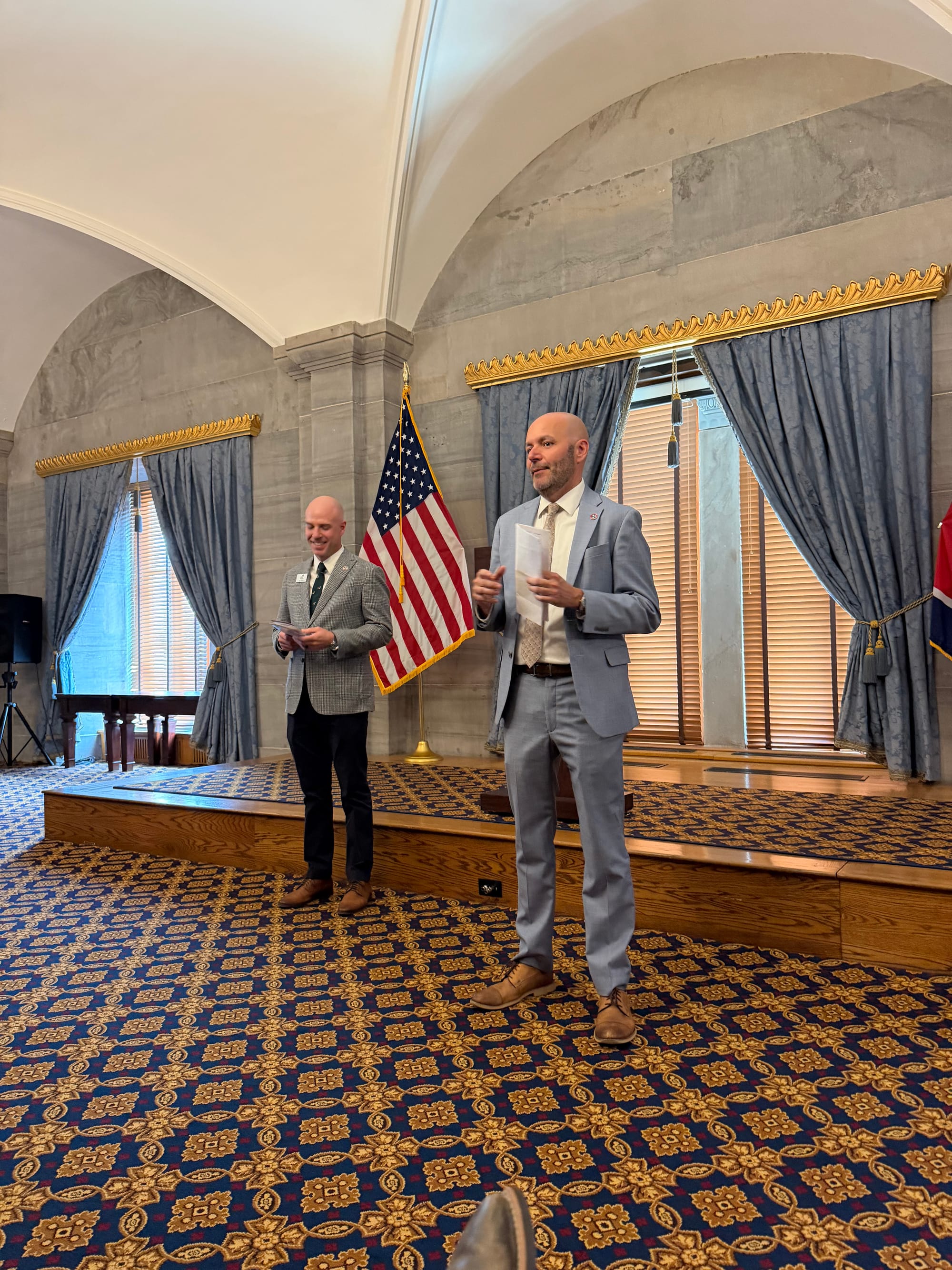
Left: Secretary of State, Tre Harget stands with Rep. Paul Sherrell. Center: Lt. Governor Randy McNally makes a brief stop introducing himself. Right: Representatives from Comptroller Jason Mumpower’s office.
Discussion of current legislation
Sexton opened the floor for questions and spent extended time with the group, offering detailed explanations on several pieces of legislation currently under consideration by the General Assembly.
One topic included Tennessee’s private school voucher program. Sexton said the state is looking to expand the number of available vouchers, adding that the funding for the program would not come from the existing public school budget.
One of the most in-depth discussions centered on pharmacy benefit manager (PBM) legislation, a topic that has drawn significant attention this session.
Sexton said lawmakers are continuing to work through details of the bill and explained that measures with financial impact are sometimes placed “behind the budget,” though that does not necessarily halt their progress.
He described concerns around what he called “vertical integration” in the healthcare system, where a single company can own an insurance provider, a pharmacy benefit manager and a retail pharmacy.
“If you want to own a PBM, own a PBM. If you want to own a pharmacy, own a pharmacy,” Sexton said. “But you should not be able to own both.”
Sexton said the goal of the legislation is to protect competition and preserve patient choice, particularly in rural communities.
“We think dividing it protects the free market because the free market allows the independent to survive,” he said.
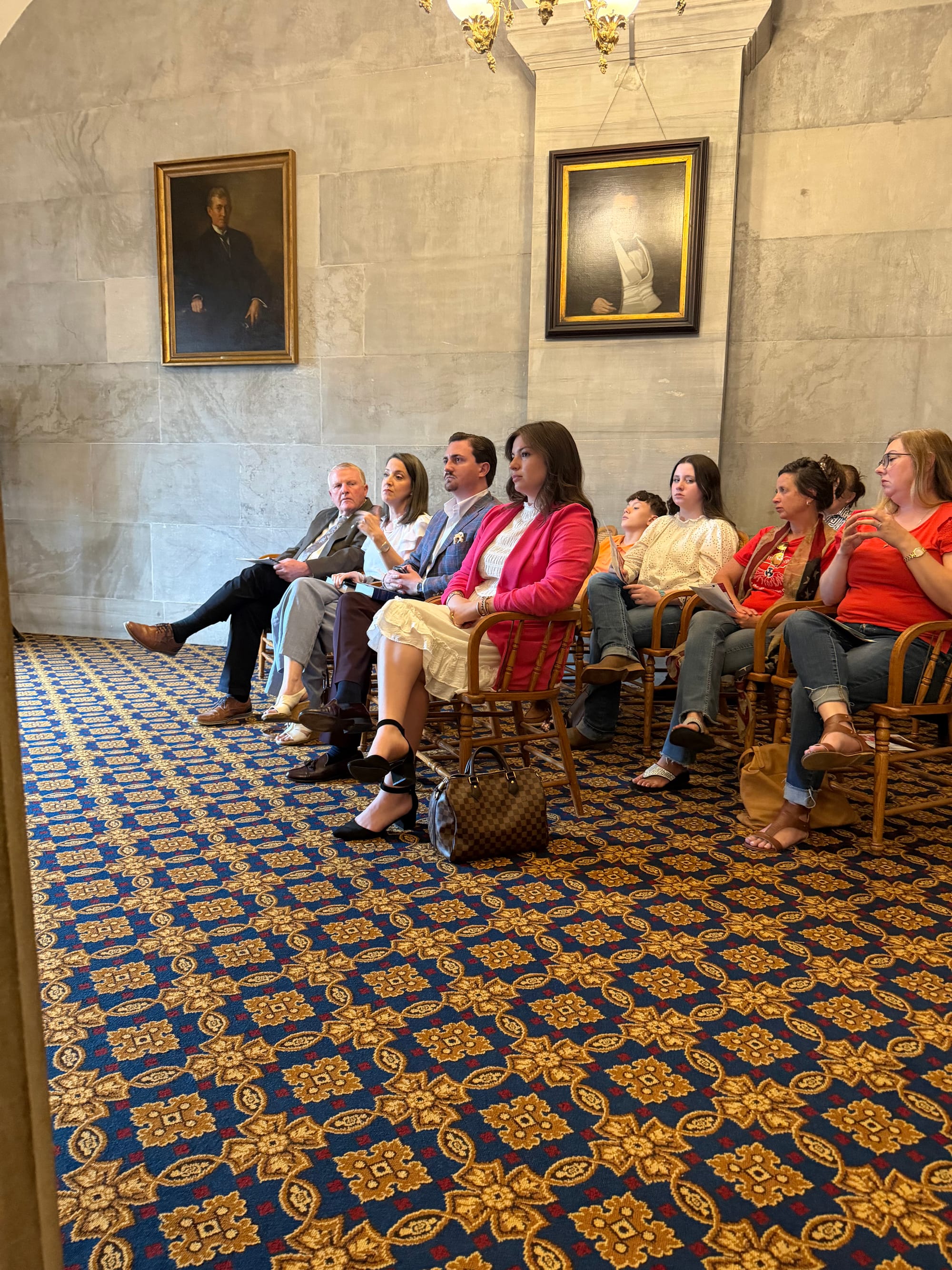
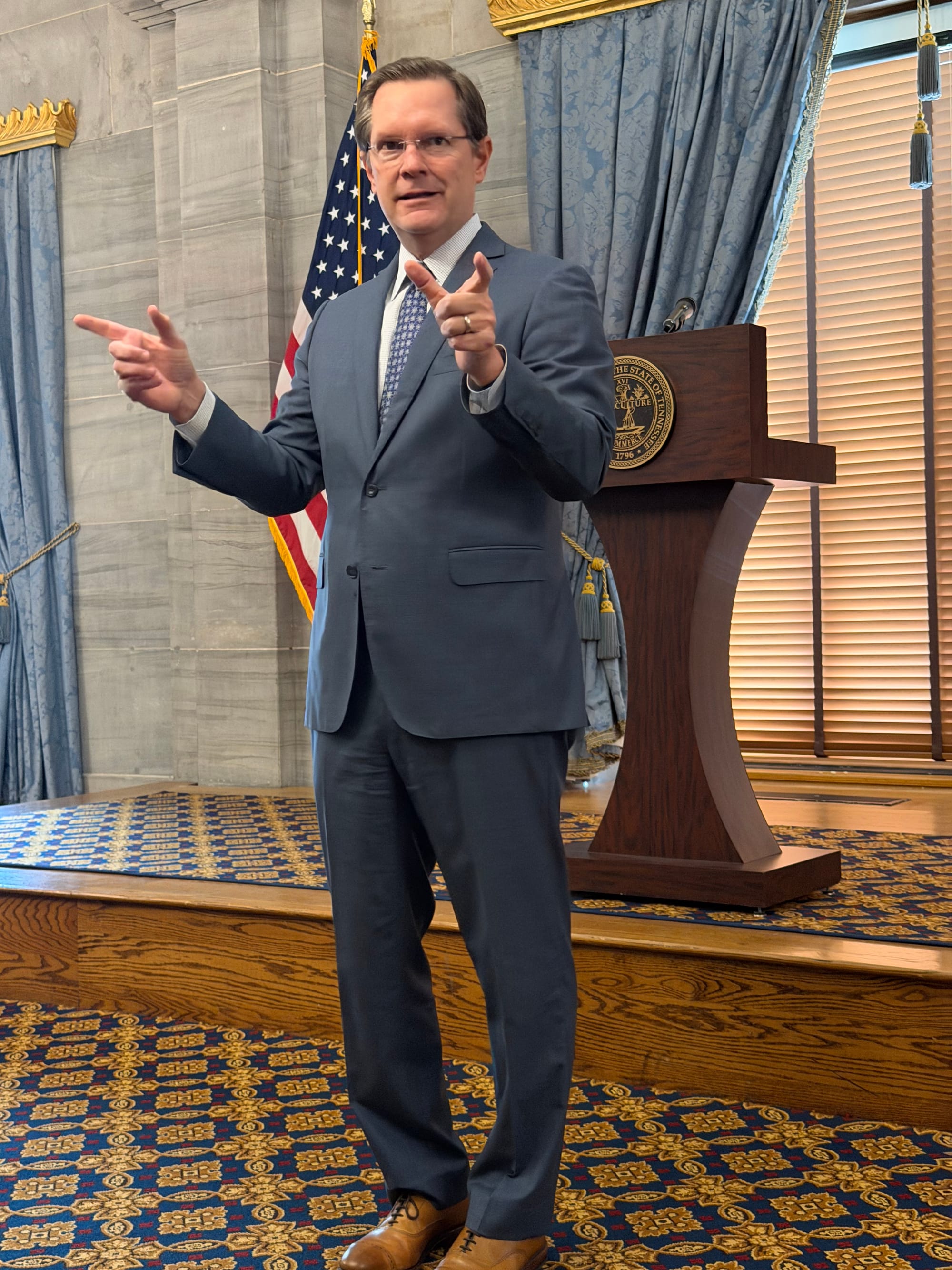
Left (Representative Sherrell listens as Lynesa Bell asks Speaker Sexton about funding the school voucher program. TN Speaker of the House Cameron Sexton addressed specific bills.
Oversight and accountability
The group also heard from representatives of the Tennessee Comptroller’s Office, who outlined the agency’s role in auditing state and local governments, reviewing budgets and investigating fraud, waste and abuse.
During the discussion, one representative said fraud investigations are the office’s fastest-growing division and noted that smaller rural communities can face challenges when limited staffing reduces oversight.
“It doesn’t matter if it’s $700 or $700,000, they’re going to go after it,” the representative said.
The session also included questions about local issues, including county boundary lines and emergency response responsibilities in rural areas.
Local connections and leadership
Beyond policy discussions, the trip provided opportunities for connection among local leaders.
Mandy Stone traveled with the group and was able to spend time with her daughter, Alora Helton, who works as a legislative assistant for Rep. Ed Butler.
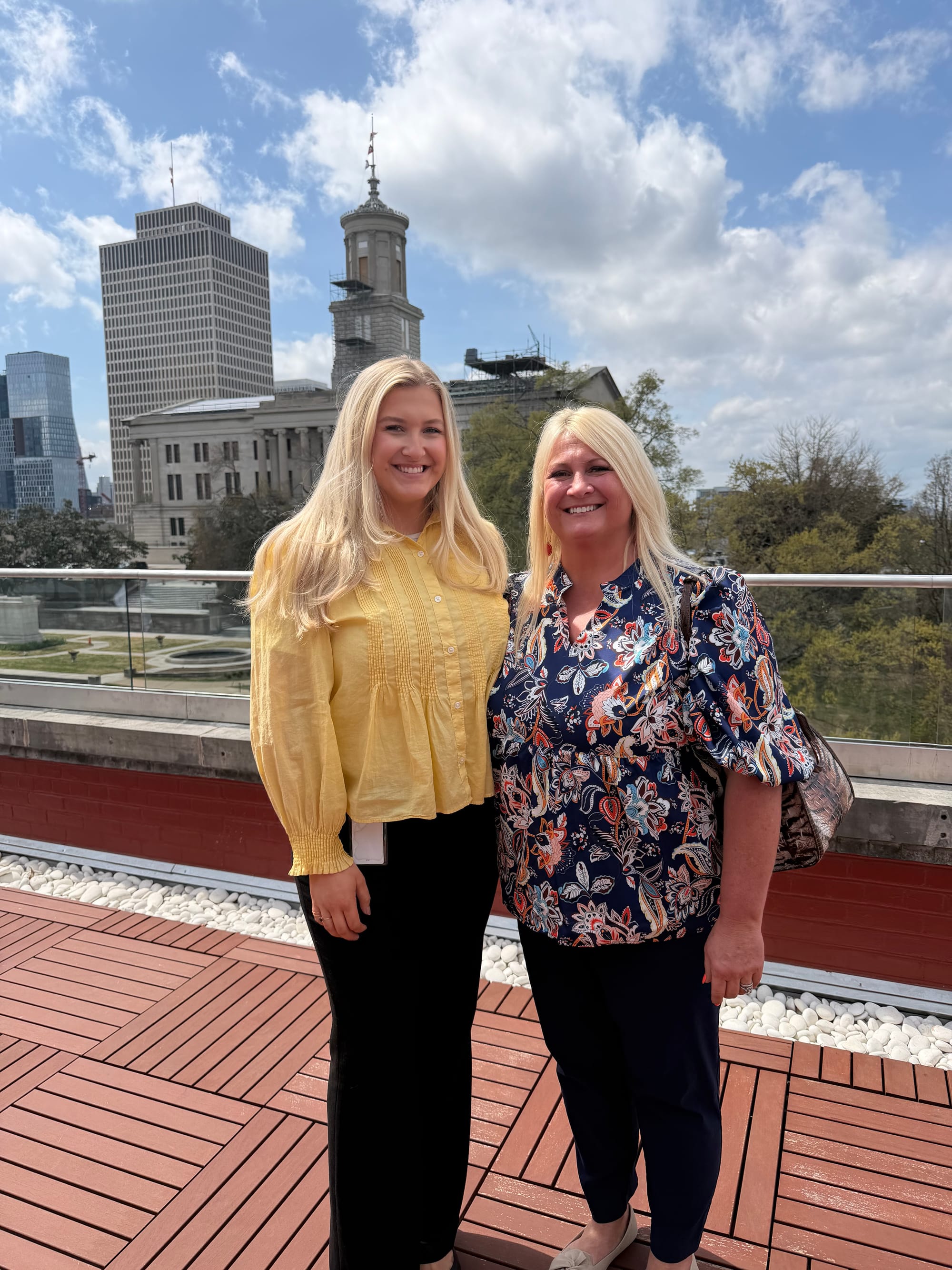
Lunch and conversations
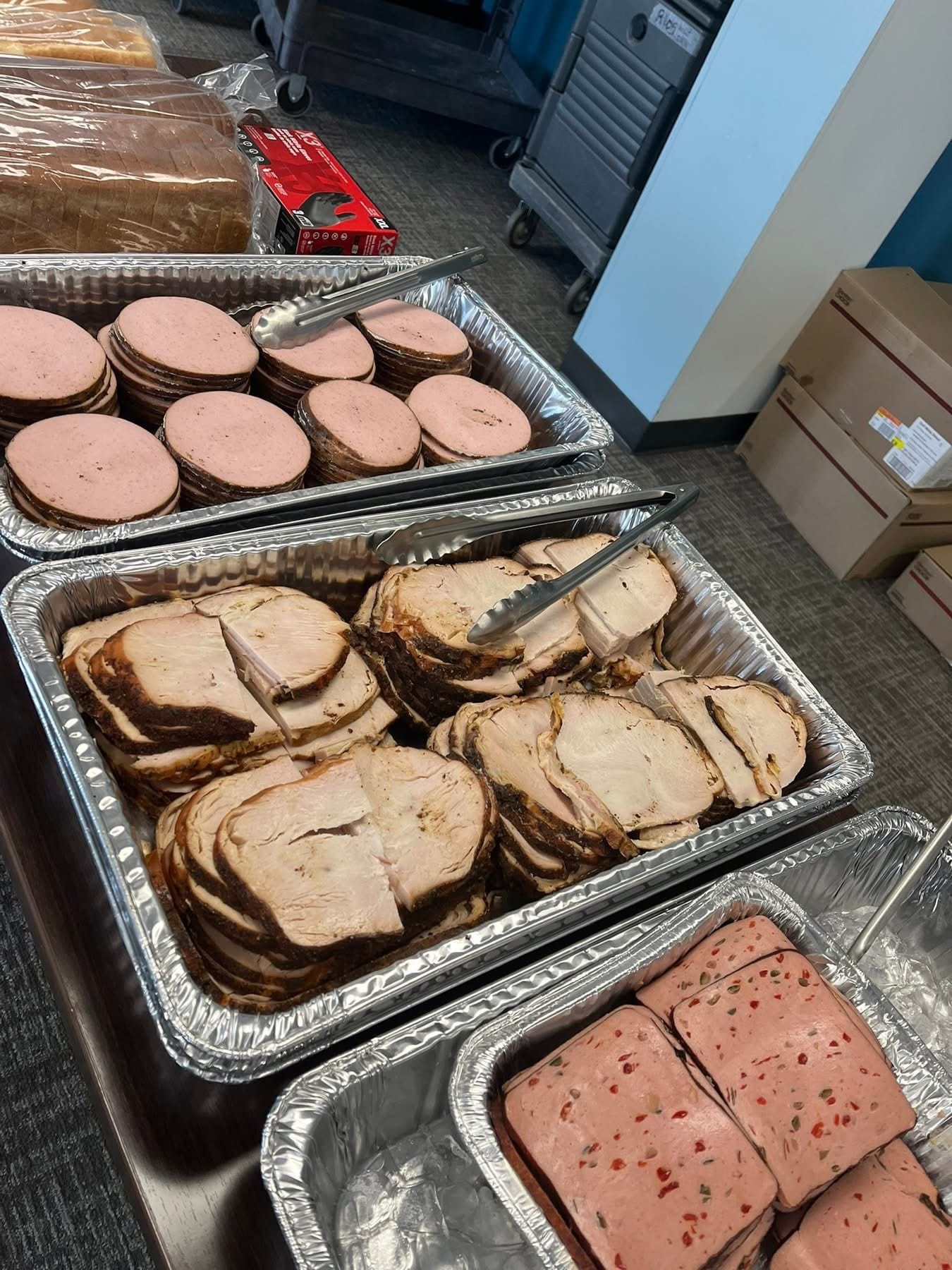
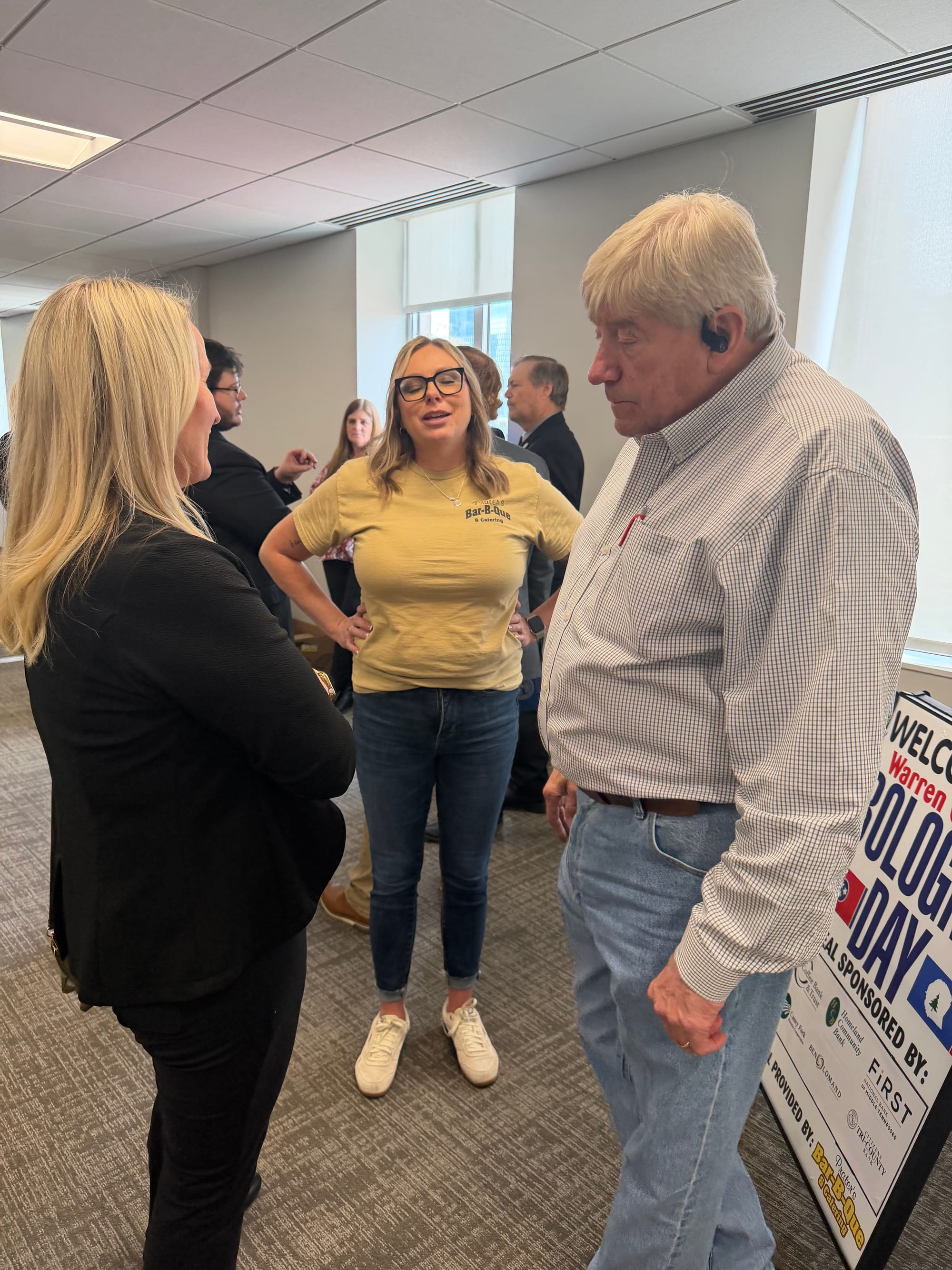
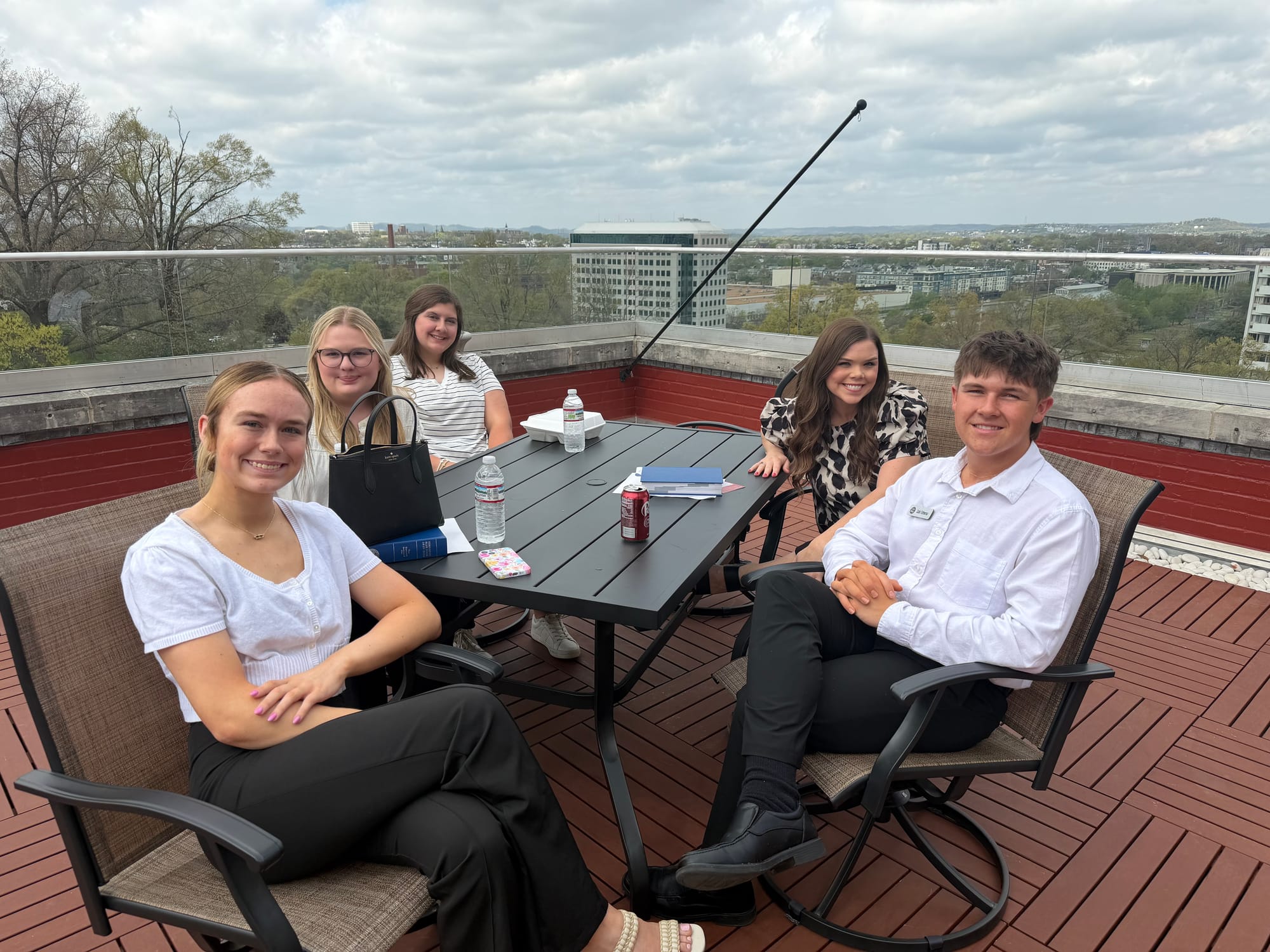
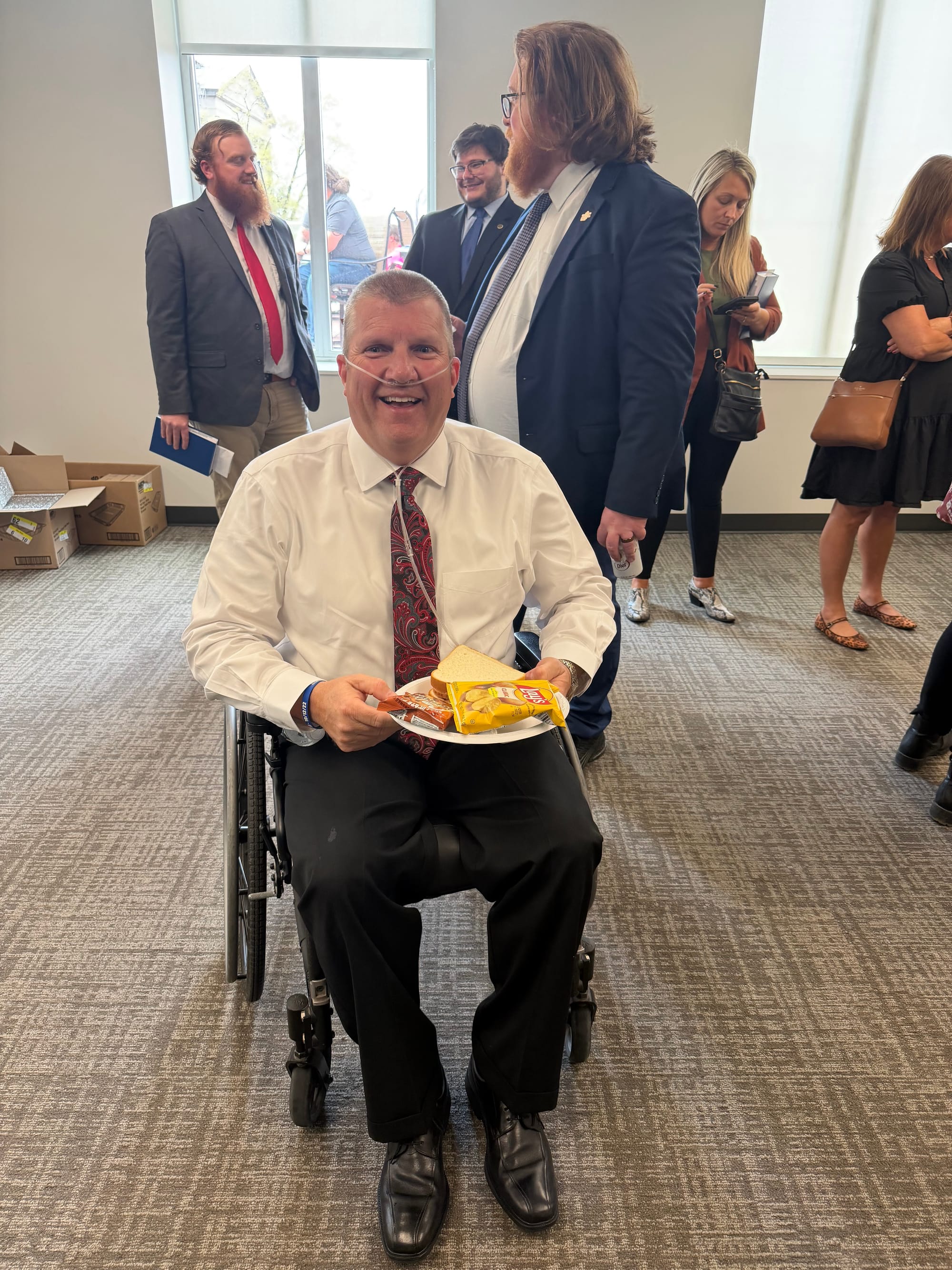
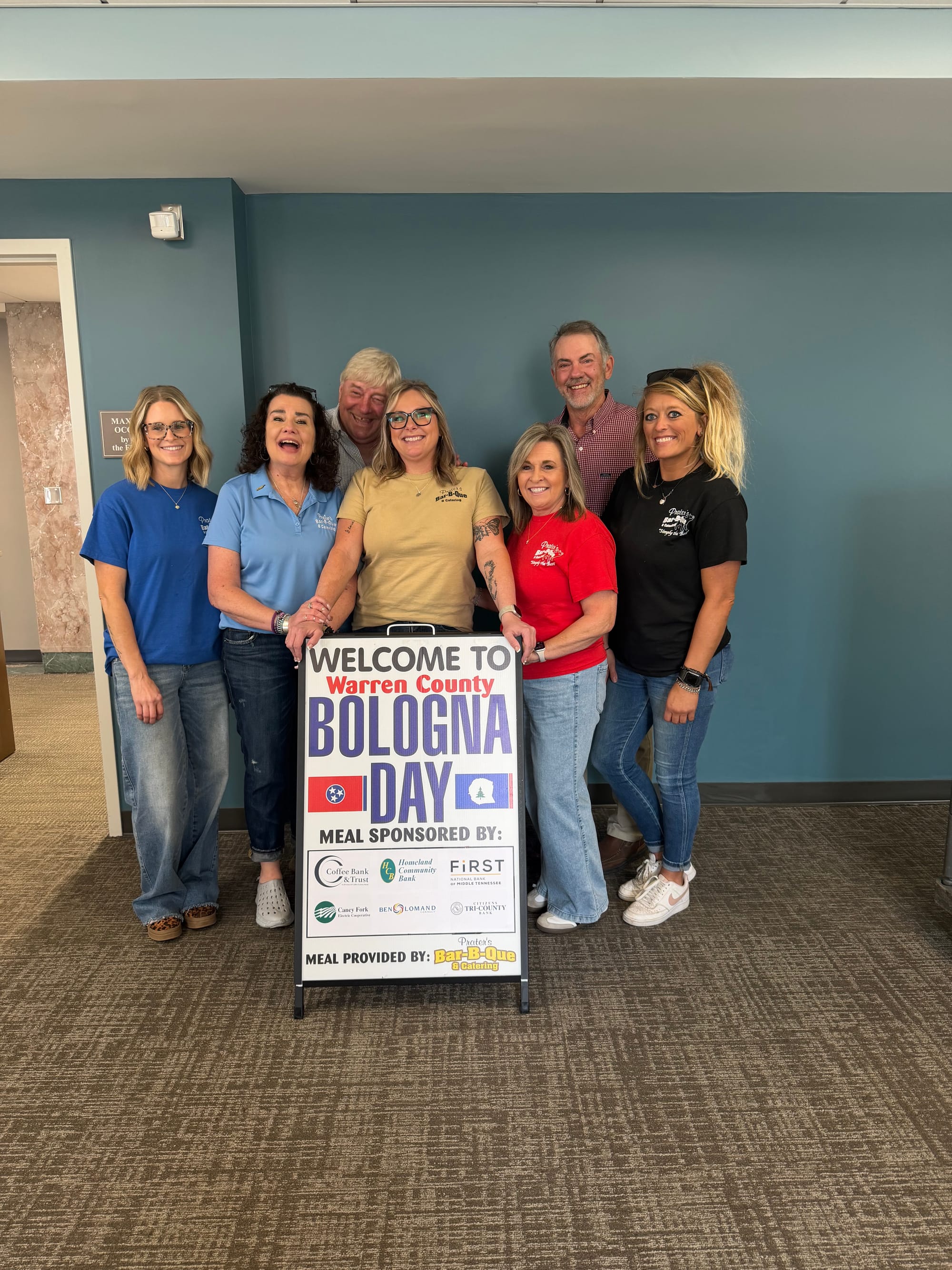
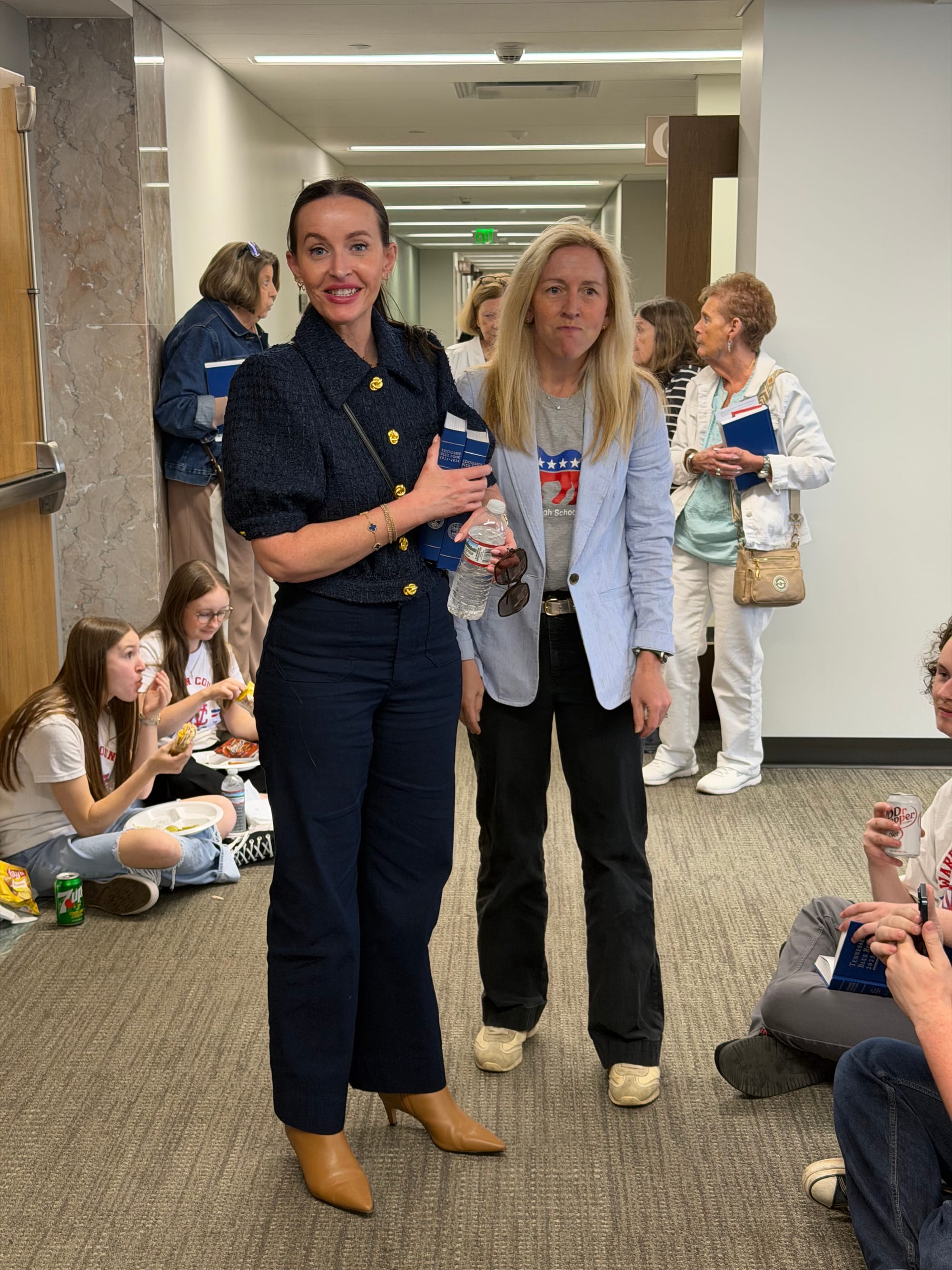
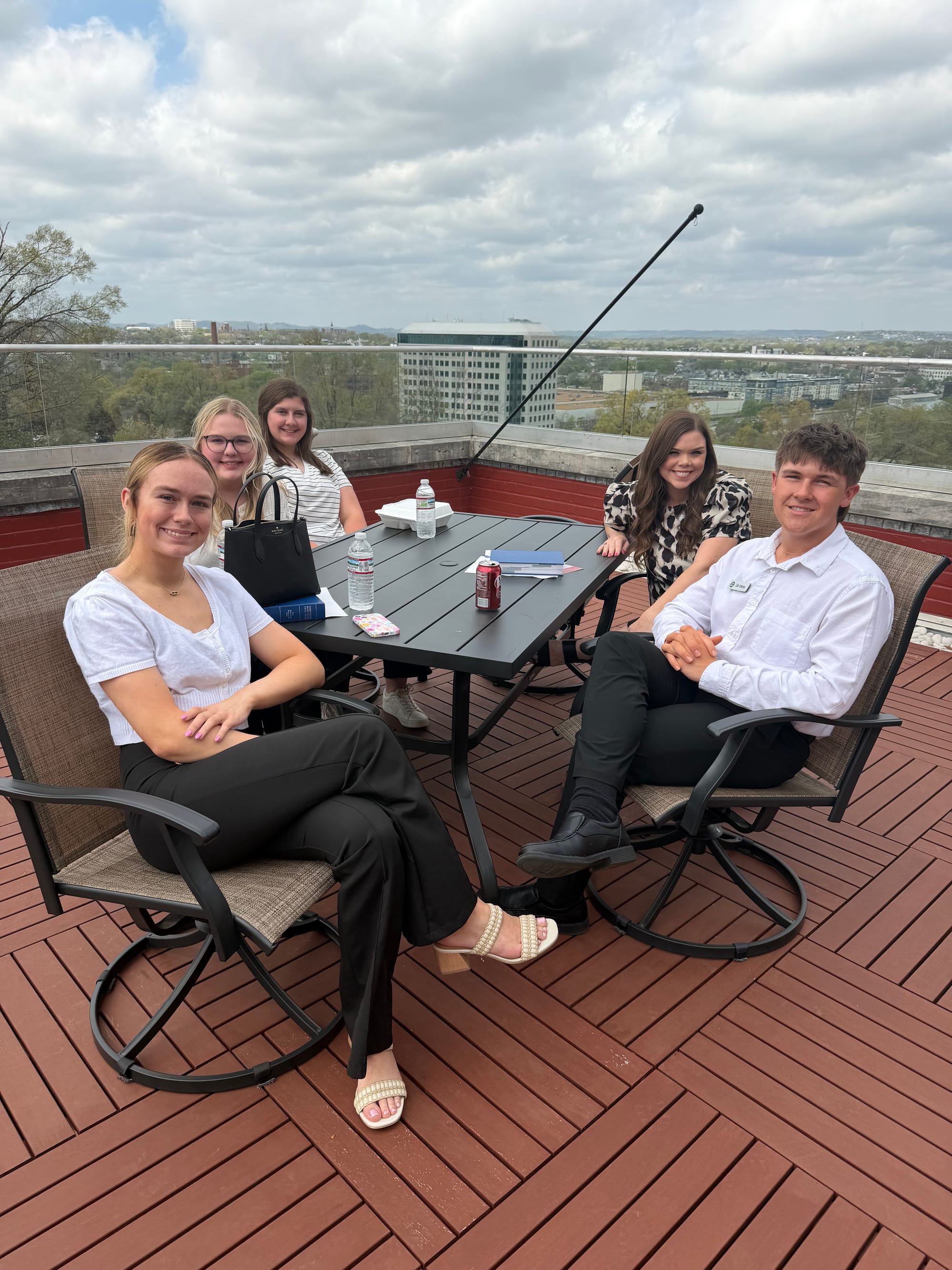
Lunch was provided by Prater’s BBQ, with attendees choosing between bologna and turkey sandwiches while gathering on the patio of the Cordell Hull Building overlooking the State Capitol.
During that time, conversations continued with state leaders, including a discussion with DeKalb County Rep. Mike Hale.
Governor visit and closing moments
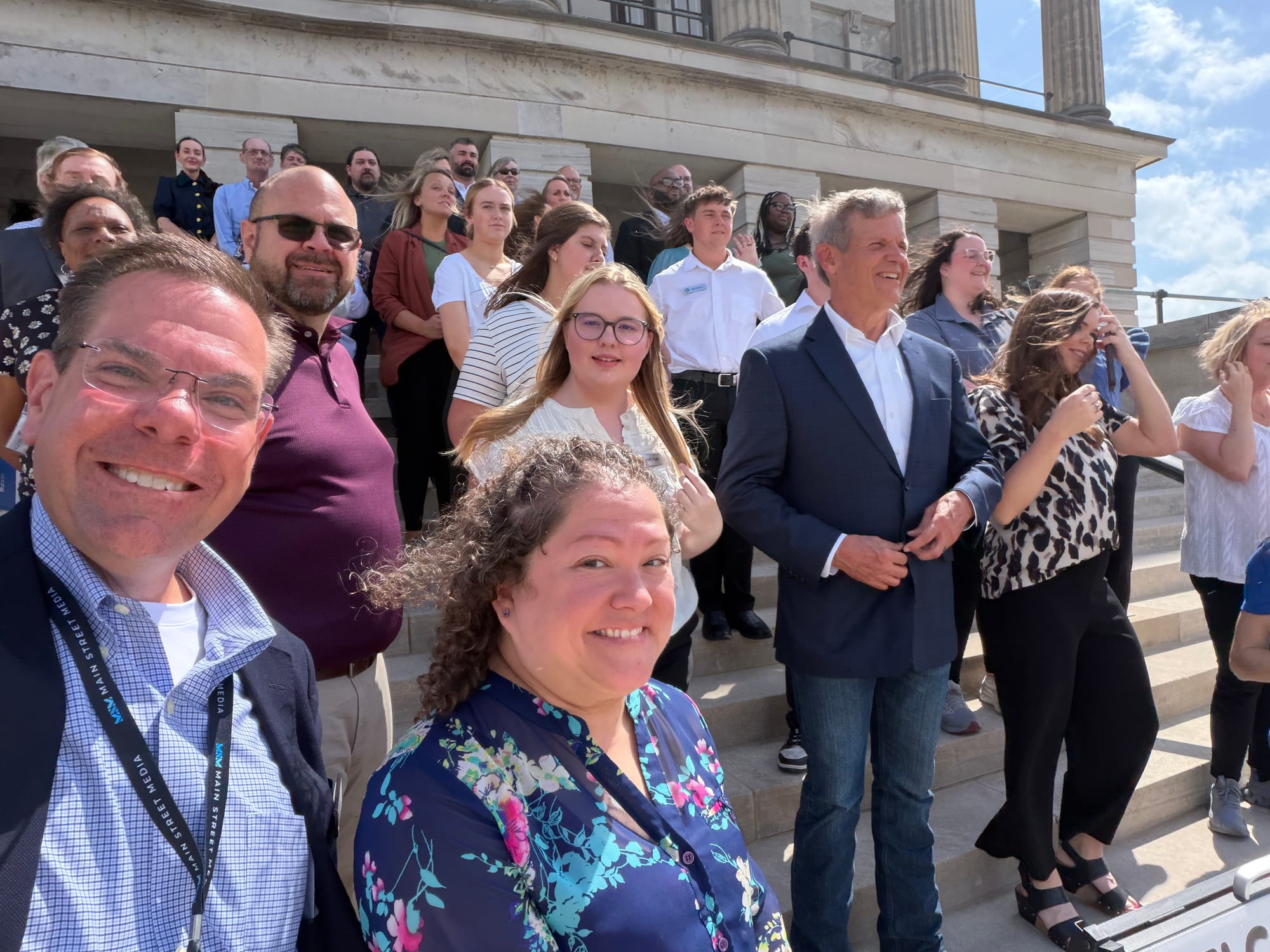
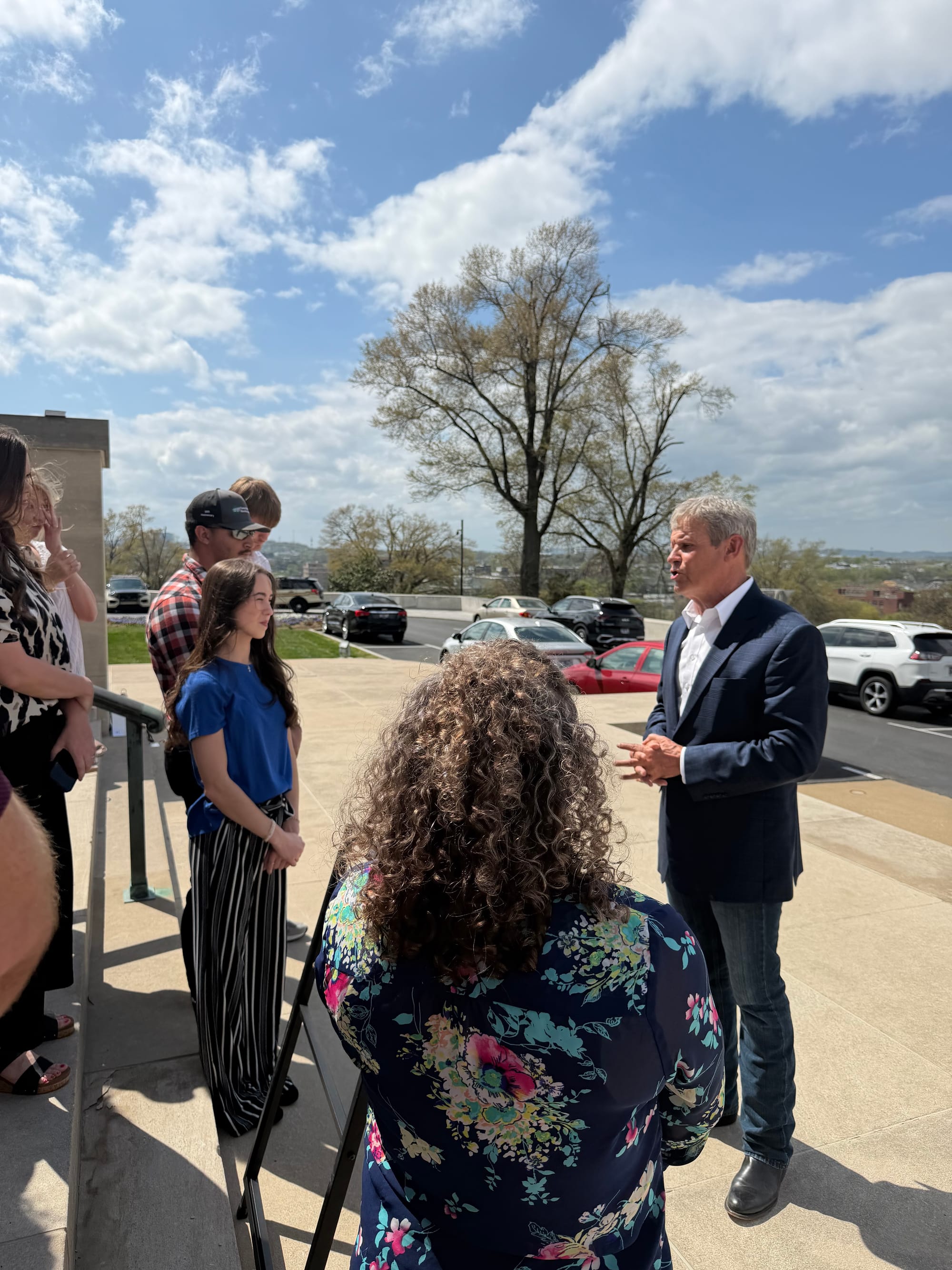
The visit concluded with a group photo alongside Governor Bill Lee on the steps of the Capitol. Following the photo, Lee briefly addressed the group.
For those in attendance, the trip provided direct access to the people shaping state policy and a clearer view of how those decisions impact communities like Warren County.