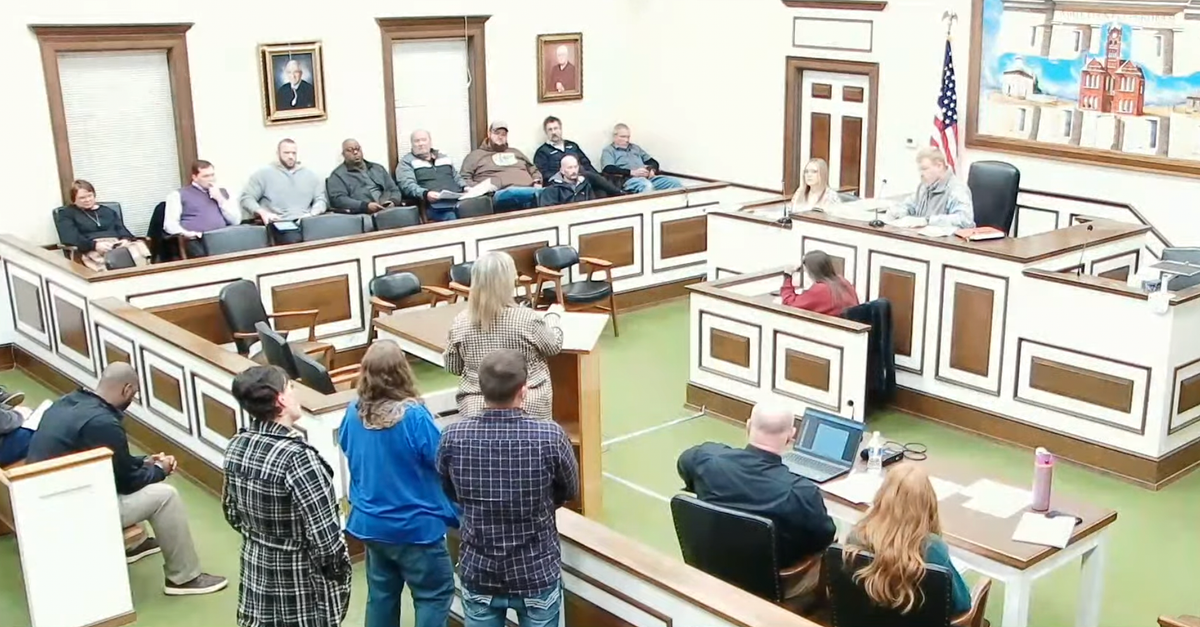
County commissioners listened to the requests from five different organizations, including Sparta's Seeds of Hope, that were requesting a portion of this year's opioid grant funding.
White County commissioners agreed on how to disperse $200,000 of opioid settlement funds on Tuesday night. Five programs operating within the county will each receive a portion of this fiscal year’s grant funding.
White County is the recipient of grant money, the dollar amount of which varies from year to year, stemming from a federal lawsuit against opioid manufacturers. With both federal and state guidelines on how the money can be used, the county has established an opioid abatement grant program with the goal of supporting evidence-based initiatives. Those programs must focus on one of the following subcategories: prevention, treatment, recovery, or harm-reduction.
“The combined amount requested by all of these organizations was $202,000,” County Executive Denny Wayne Robinson told commissioners on Tuesday night. “We were able to shave a little off of what each of them asked for and get that number to the $200,000 we have.”
The following organizations will be receiving money under this year’s grant distribution:
Tennessee Community Services Agency (TNCSA) - $50,000
Seeds of Hope - $49,500
South Central TN Workforce Alliance (SCTWA) - $49,500
White County Anit-Drug Coalition dba White County Prevention & Recovery Coalition - $49,000
White County Sheriff’s Office - $2000
All the above listed entities petitioned for funds while providing evidence that their services fall under the required opioid crisis assistance guidelines.
Robinson also informed commissioners that the benefitting organizations must spend the money before receiving it. The grant funding will be rewarded as a reimbursement for money spent. Robinson also said that receipts and reports will be scrutinized to be sure they will pass through two separate audits that the county could face. Only after that will the funds be awarded.
“The exception is for Seeds of Hope. They don’t have a large operating budget,” Robinson explained. “They will get $5000. When they spend it, they will bring us the receipts, we will review them, if they are correct, we will then give them the next $5000.”
While there was some concern from citizens about whether the county had the best plan for distribution of the grant funding, the commissioners approved all five of the organizations.
“Reimbursement can be denied,” commissioner Kyle Goff confirmed with Robinson that if they receipts didn’t meet the requirements from the grant or any of the chosen organizations failed to prove that they are providing services that combat opioid addiction – whether through education, treatment, prevention, recovery, or safety efforts.
Robinson also confirmed that the funds were not coming from taxpayer money but rather from an annual awarding from a federal lawsuit against opioid manufacturers in which White County was listed as one of the beneficiaries.
Share this article
The link has been copied!
Members Discussion
Your link has expired. Please request a new one.
Your link has expired. Please request a new one.
Your link has expired. Please request a new one.
Great! You've successfully signed up.
Great! You've successfully signed up.
Welcome back! You've successfully signed in.
Success! You now have access to additional content.