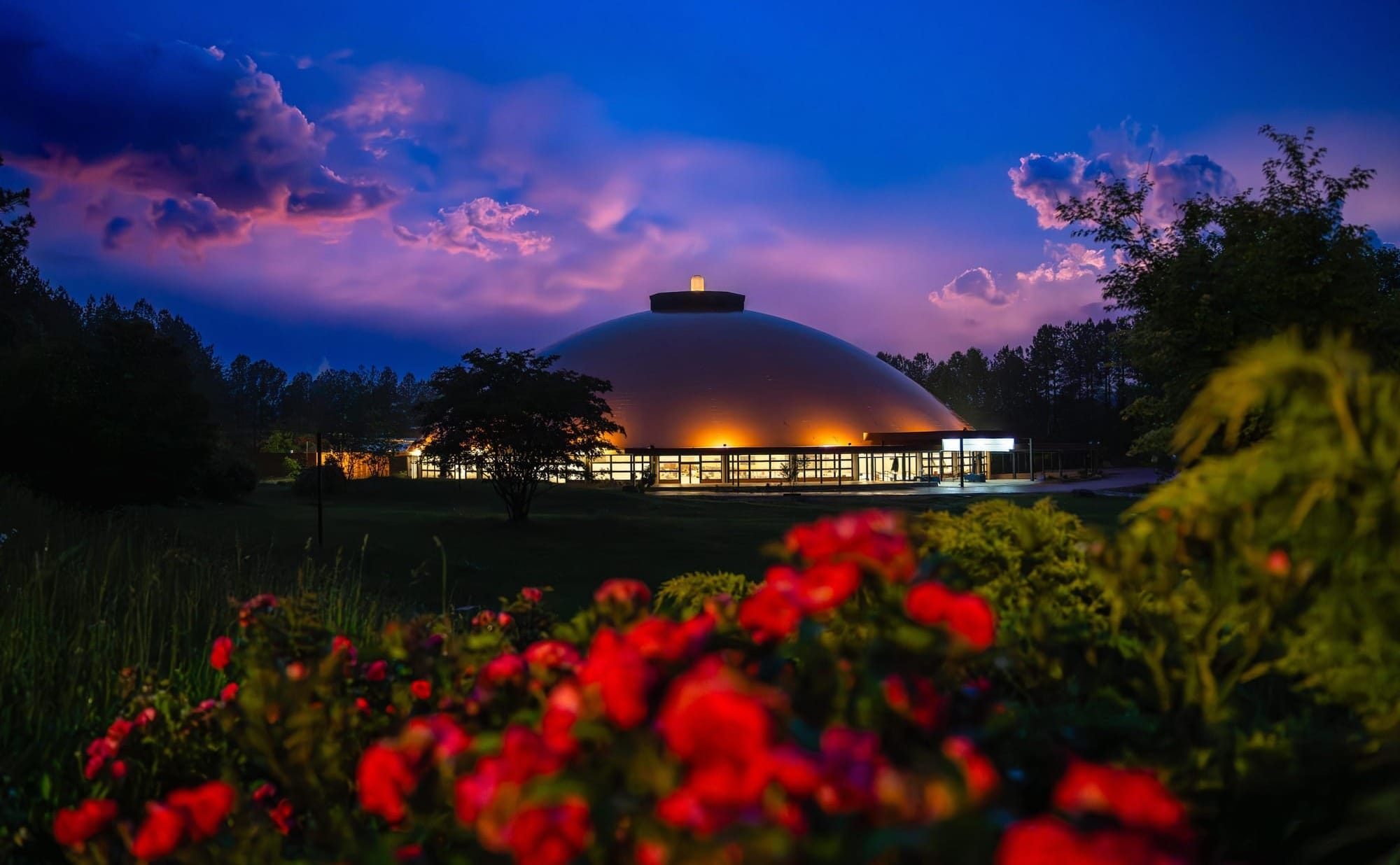
Beyond the rumors: Life on the mountain


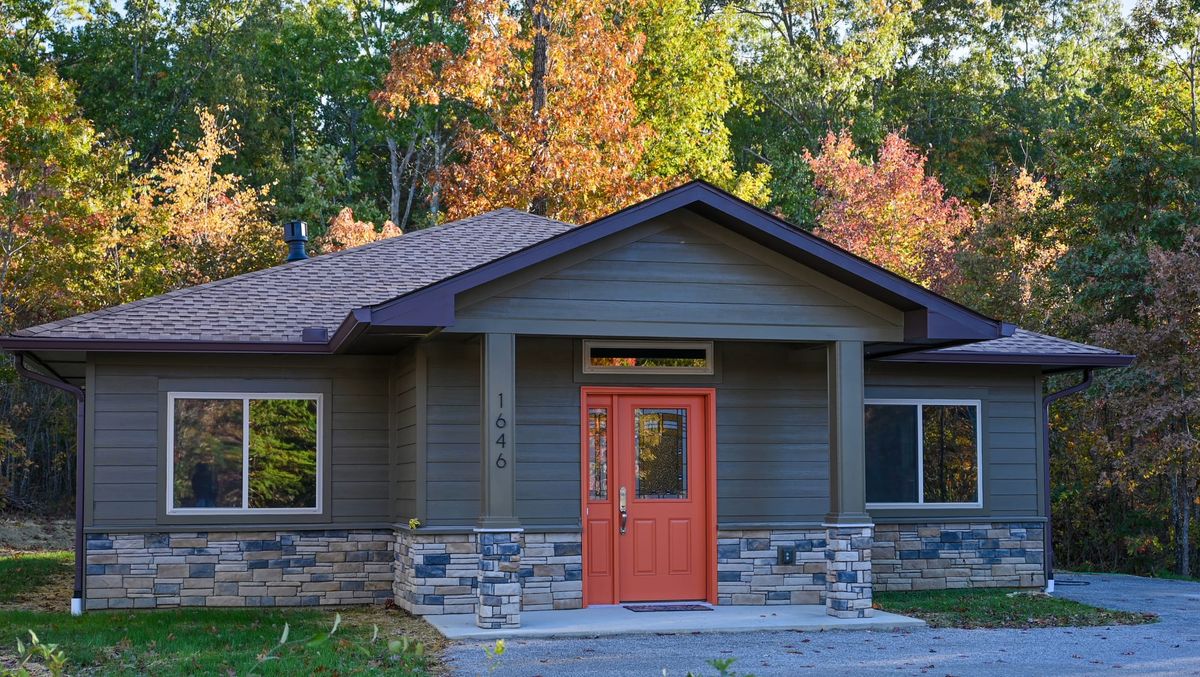
Up on the mountain in Van Buren County, there's a community that looks a lot like the ones you'll find anywhere else. Children play outside while parents visit with neighbors. Families ride bicycles along the roads, and when Christmas comes around, houses light up for the holidays.
There are homes where families are raising their children, people heading off to work each morning, and a school that has grown to the point that a new building is under construction. Residents shop at local stores, visit doctors in surrounding towns, and participate in community events and youth sports.
But this isn't a typical neighborhood, at least not in the eyes of many who live outside it.
This is Isha.
For years, the Isha community, located on the Cumberland Plateau and spanning portions of Van Buren and Warren counties, has been the subject of questions, speculation, and criticism. Some have gone so far as to call it a cult.
But a recent visit offered a different perspective on what life inside the community actually looks like.
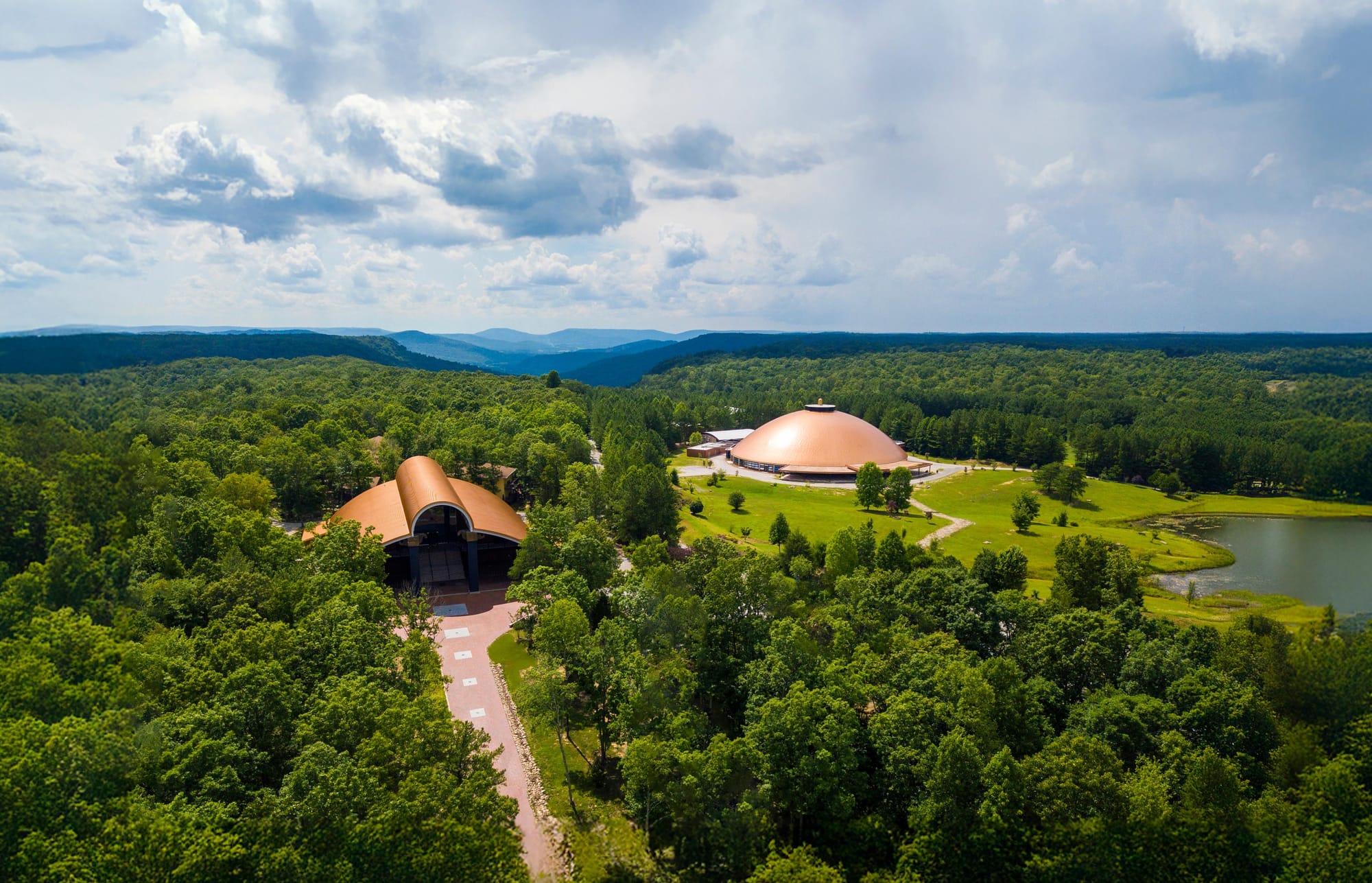
When Isha first opened on Harrison Ferry Mountain in 2005, it was primarily a destination for yoga and meditation. More than 20 years later, the property has grown into a residential community, with families, schools, and businesses alongside the programs that originally brought visitors to the mountain.
Approximately 400 people currently live in the Isha community, according to information shared during the visit. That number is expected to grow significantly over the next several years.
Isha currently owns approximately 17,000 acres across Warren, Van Buren, Sequatchie, and Grundy counties. However, representatives said the organization plans to conserve over 70% of this land, maintaining it largely wooded and available for natural areas and outdoor recreation.
The growth has attracted attention from neighboring communities and local governments, raising questions about infrastructure, property taxes, land use, and the organization's operations. Those questions have been part of the public conversation surrounding Isha, but they don't necessarily explain what everyday life looks like for the people who have chosen to live there.
One of the more noticeable things about Isha is that there isn't a single way of living there.
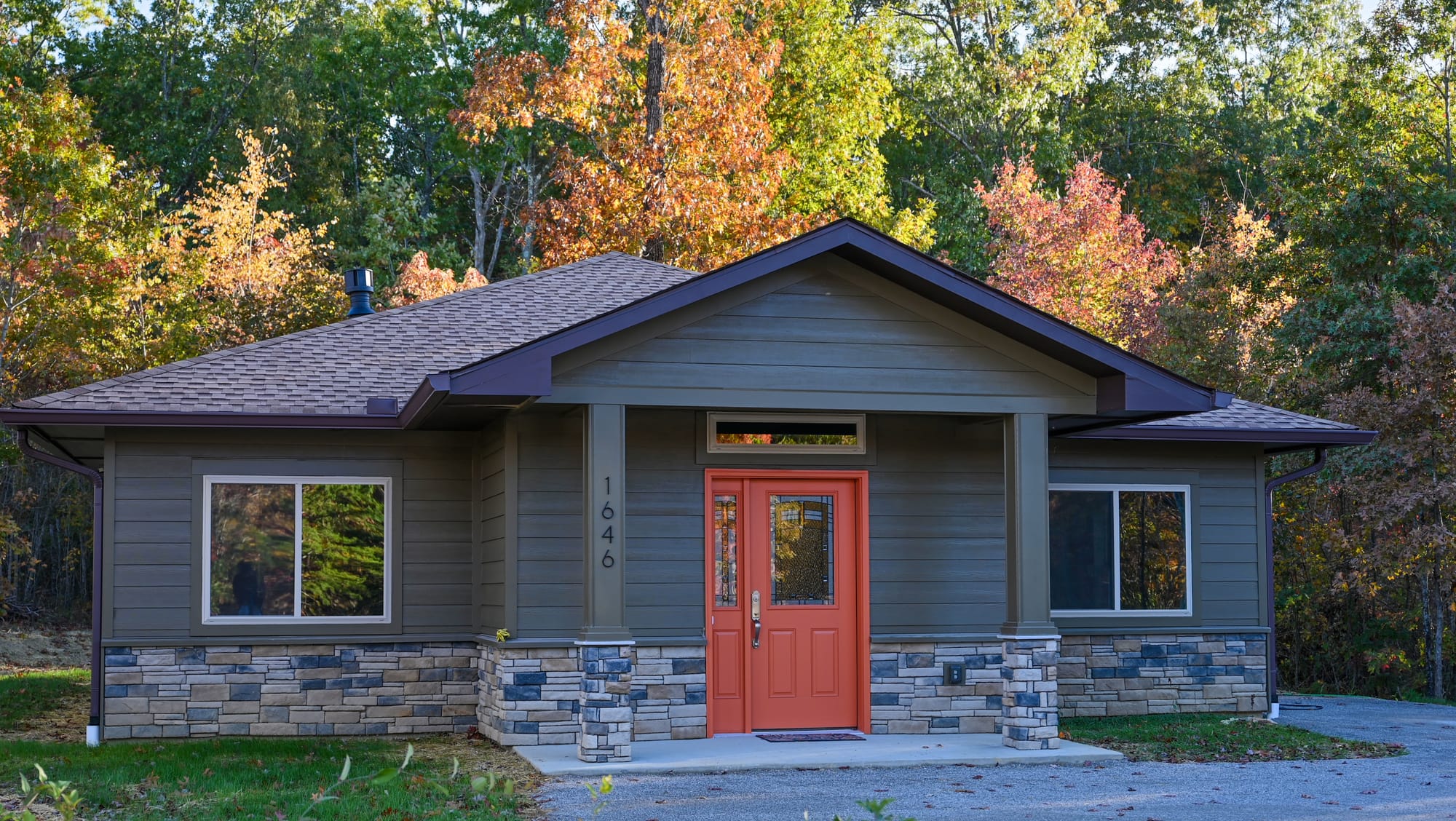
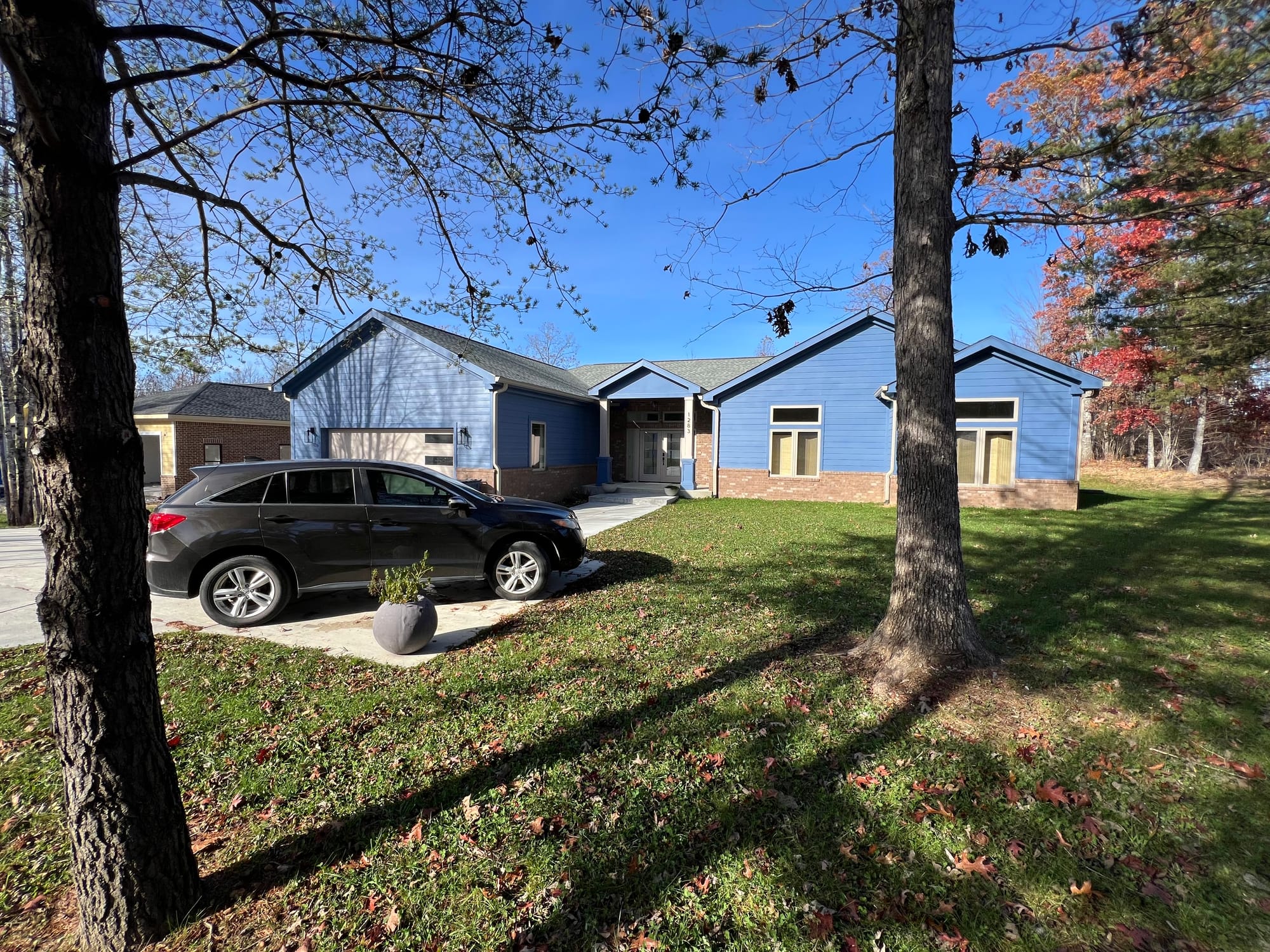
Some residents occupy individual homes, where they maintain their own households, prepare their own meals, and raise their families. Others live in apartments or shared accommodations. There are also housing options for people who want to spend only part of the year on the mountain, whether for vacations, extended stays, or simply time away from their regular routines.
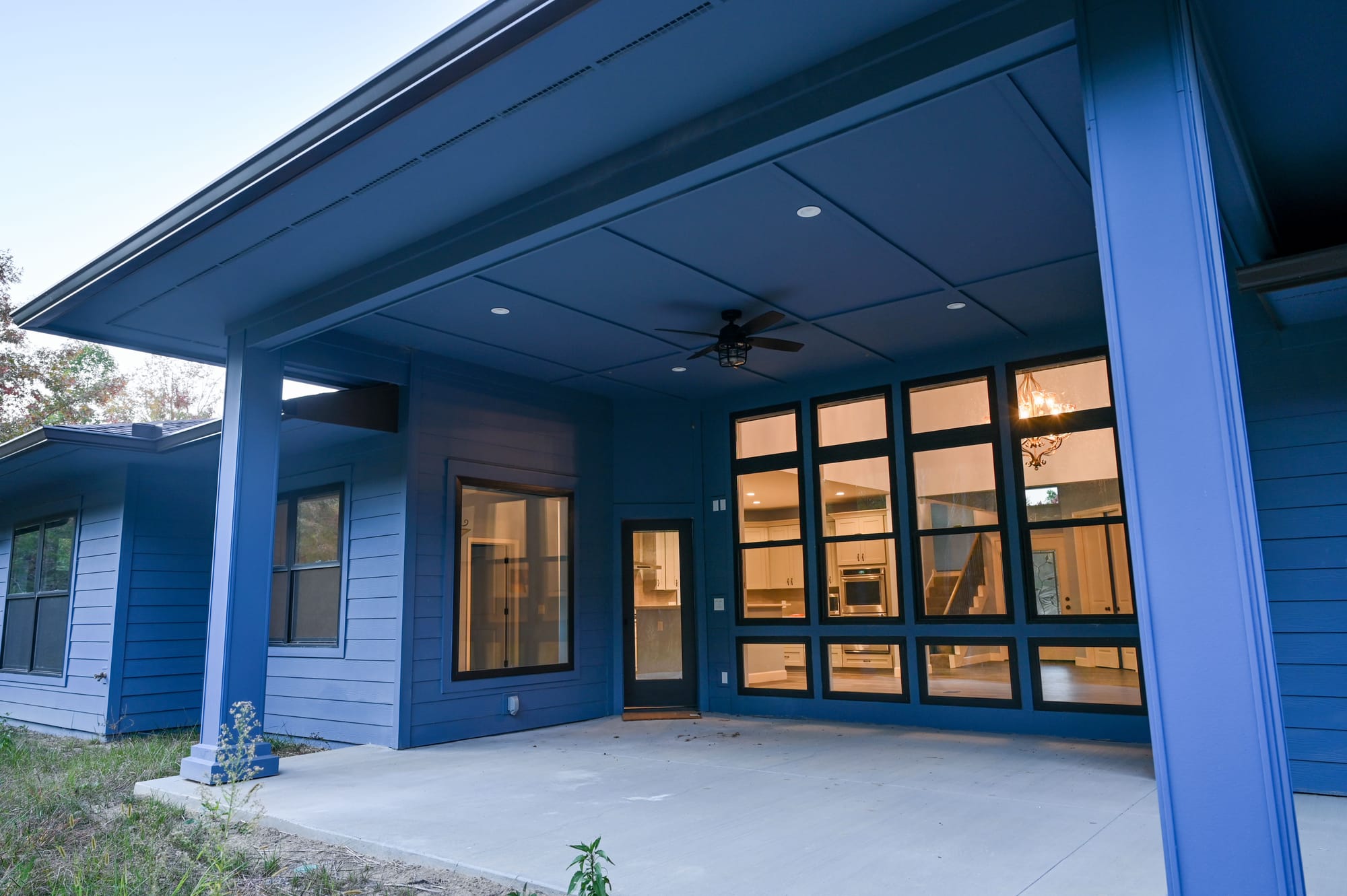
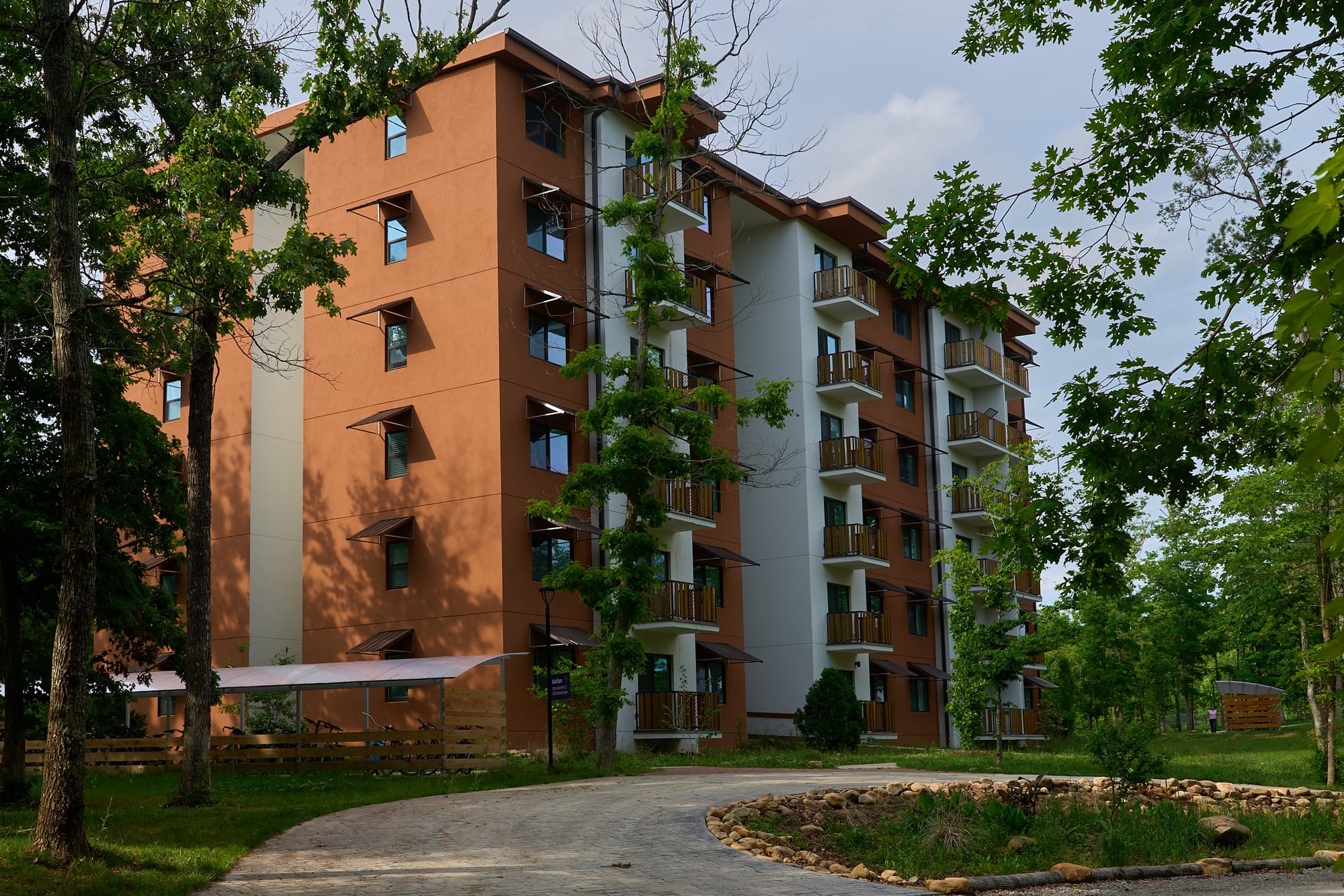



Photos submitted
The community also has a dining hall where residents and visitors can share meals. Those who wish to participate can help prepare food, but residents with their own kitchens often cook and eat at home.
There are spaces for meditation and a hall dedicated to yoga, reflecting the foundation's original purpose. But those spaces are only one part of a much larger residential community.
And living at Isha doesn't necessarily mean working for Isha.
Of the approximately 400 residents, only about 50 serve as full-time volunteers at the institute, according to information provided during the visit. Those volunteers assist with operations ranging from staffing the welcome center and teaching classes to organizing events and helping manage programs.
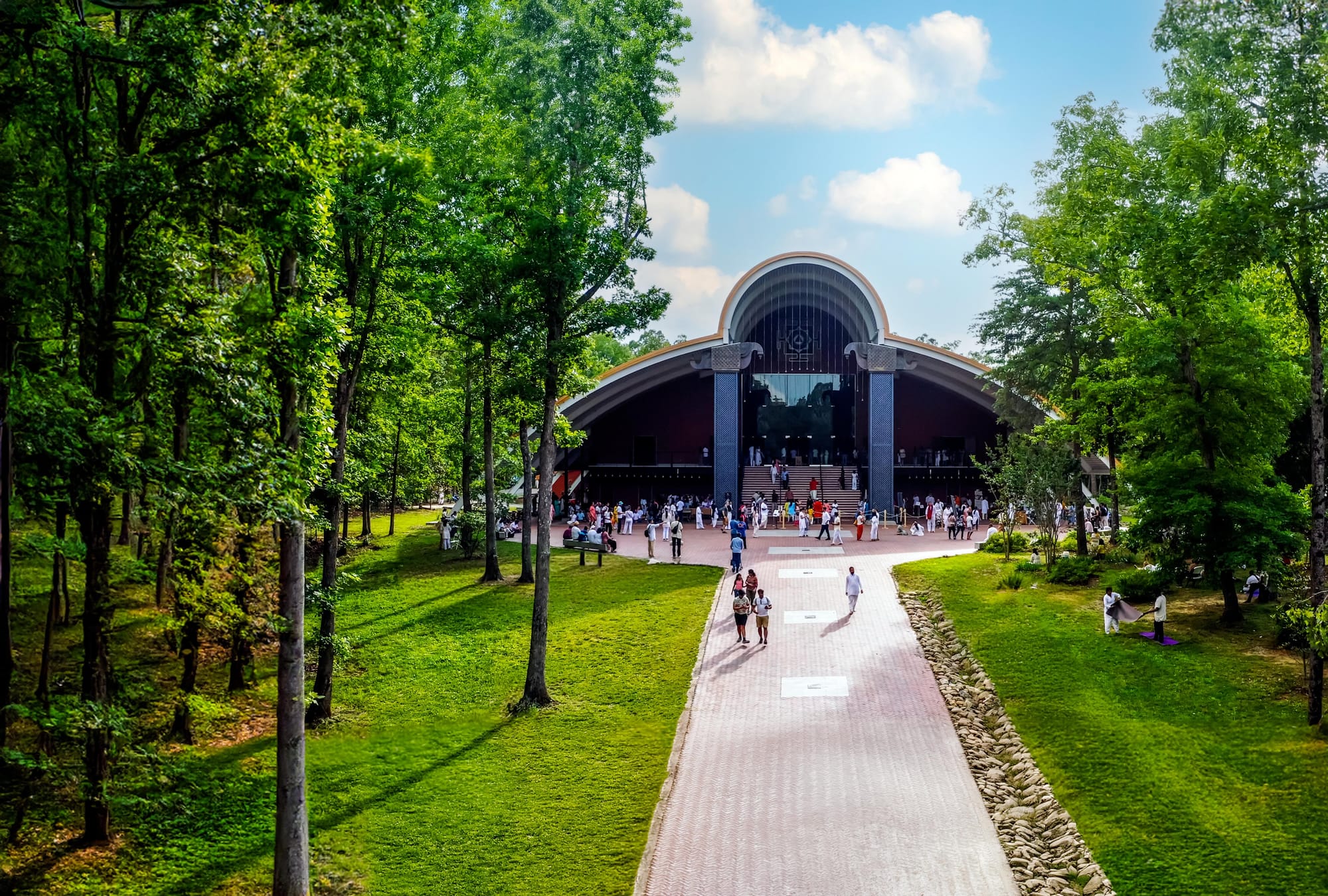
The volunteers who spoke during the visit described having independent sources of income, including retirement funds and other financial resources. Rather than relying on the foundation to support them, they have chosen to devote their time to its operations.
Other residents work remotely or commute to jobs in surrounding communities, following the same work schedules as their neighbors elsewhere in the region.
Residents are also responsible for their own living expenses, including utilities and other household costs. They pay applicable income, property, and sales taxes, just as residents elsewhere do.
Residents make trips to the grocery store, attend medical appointments, and participate in events throughout the area. Children play sports in neighboring communities, and families take part in the same activities that fill calendars across the Upper Cumberland.

Although Isha institute offering is rooted in yoga & meditation, residents are not required to share a single religious belief. During the visit, the community was described as a place where people can maintain their own faith and worship according to their individual beliefs.
The picture that emerges is not one of a neighborhood entirely separated from the outside world, but of a community whose residents have chosen to live in a particular setting while maintaining many of the routines familiar to families throughout the region.
For the families living at Isha, raising children is part of that everyday routine.
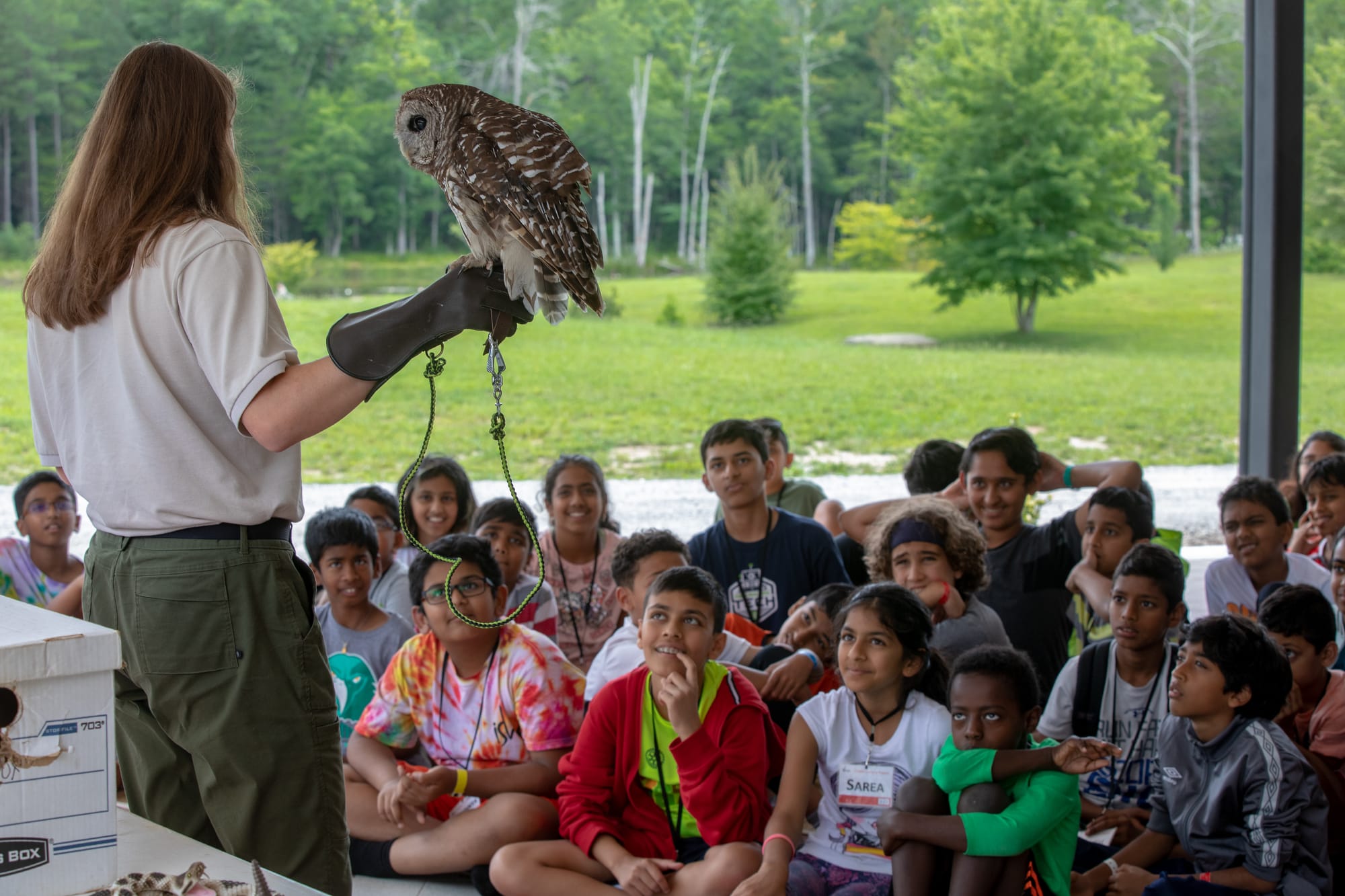
The community has a Montessori school, where enrollment has grown enough that a new building is under construction. Once the new facility opens, the school plans to accept applications from families outside the Isha community as well. Children will not have to live on the mountain to apply for admission, according to information shared during the recent visit.

In June 2025, Isha reported that 41 school-aged children were living in the community and attending its on-campus day school. That figure provides a glimpse of the number of families who have made Isha their home, although the population continues to change as the community grows.
The school is only one part of childhood at Isha. Outside the classroom, children ride bicycles, spend time outdoors, and participate in activities beyond the property. Some play sports in nearby communities, bringing together families - parents, coaches, and other children - from surrounding towns.
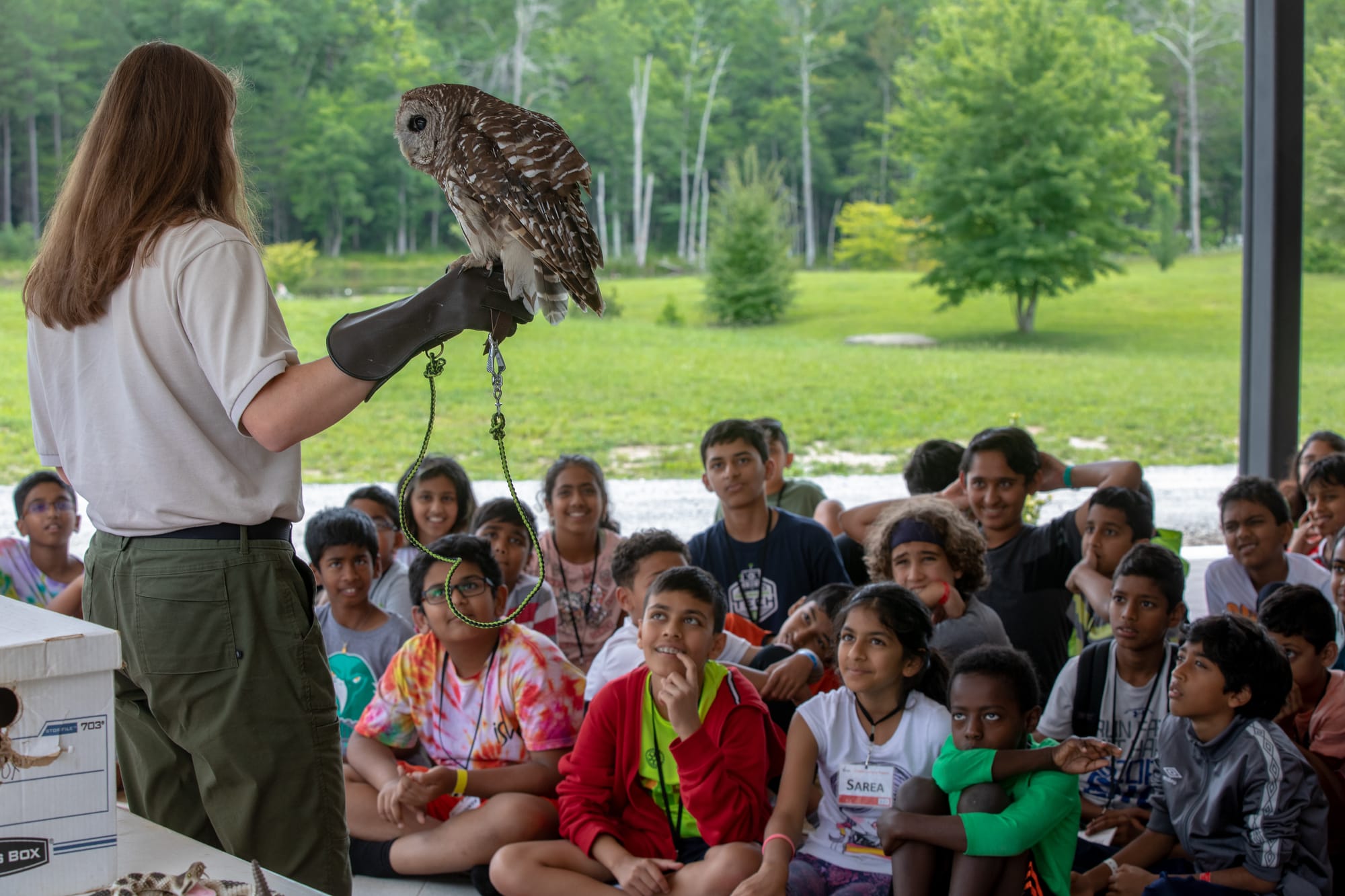
For those families, living at Isha doesn't mean leaving behind the experiences of childhood that are familiar elsewhere. It means those experiences simply begin at a different address.
Although Isha has become home to hundreds of residents, it remains a destination for visitors from across the country and beyond. In 2025, the Isha Institute received Tripadvisor's Travelers' Choice recognition, placing it among the top 10% of properties listed on the travel platform based on visitor reviews and ratings. Representatives also reported receiving a tourism award in 2015.
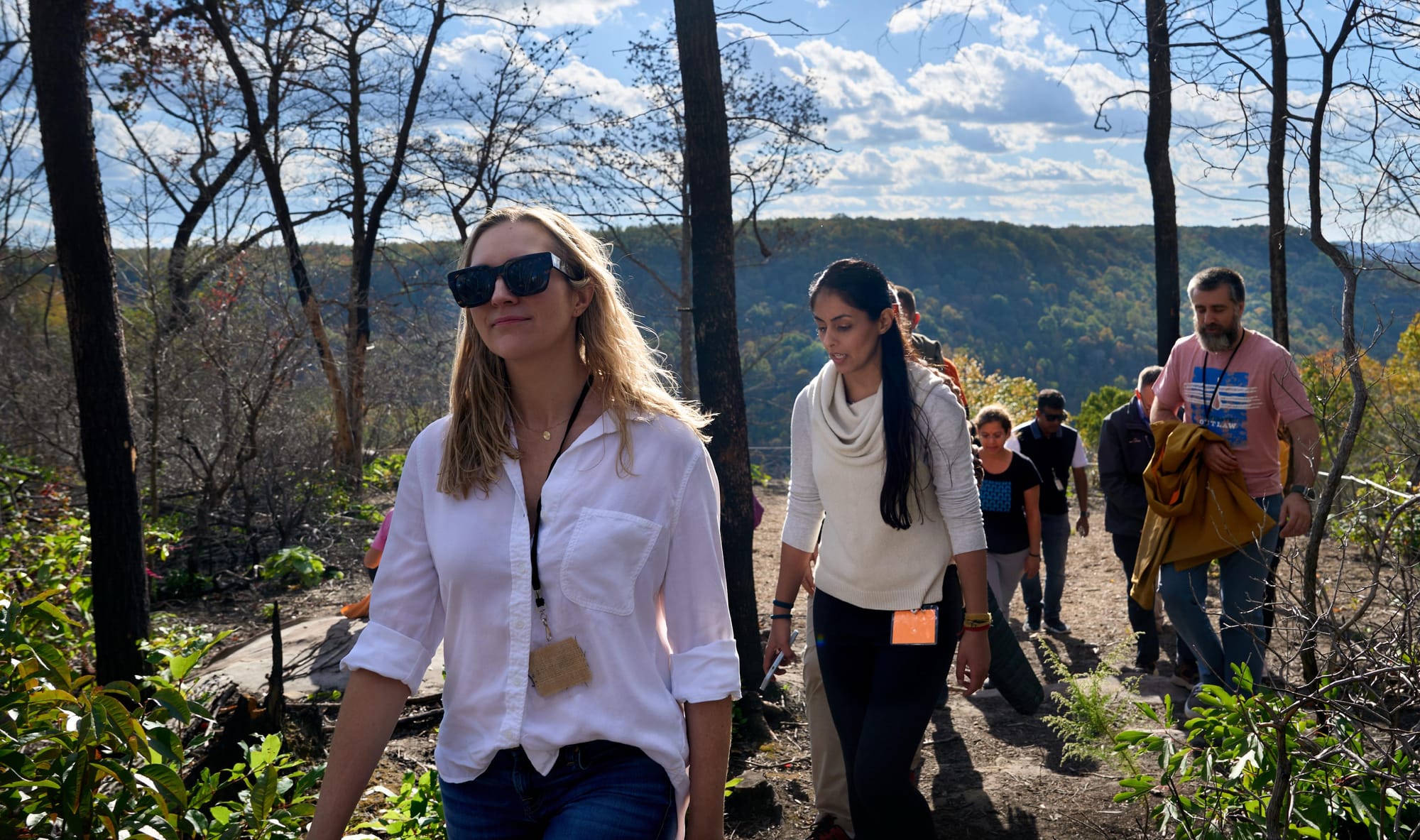
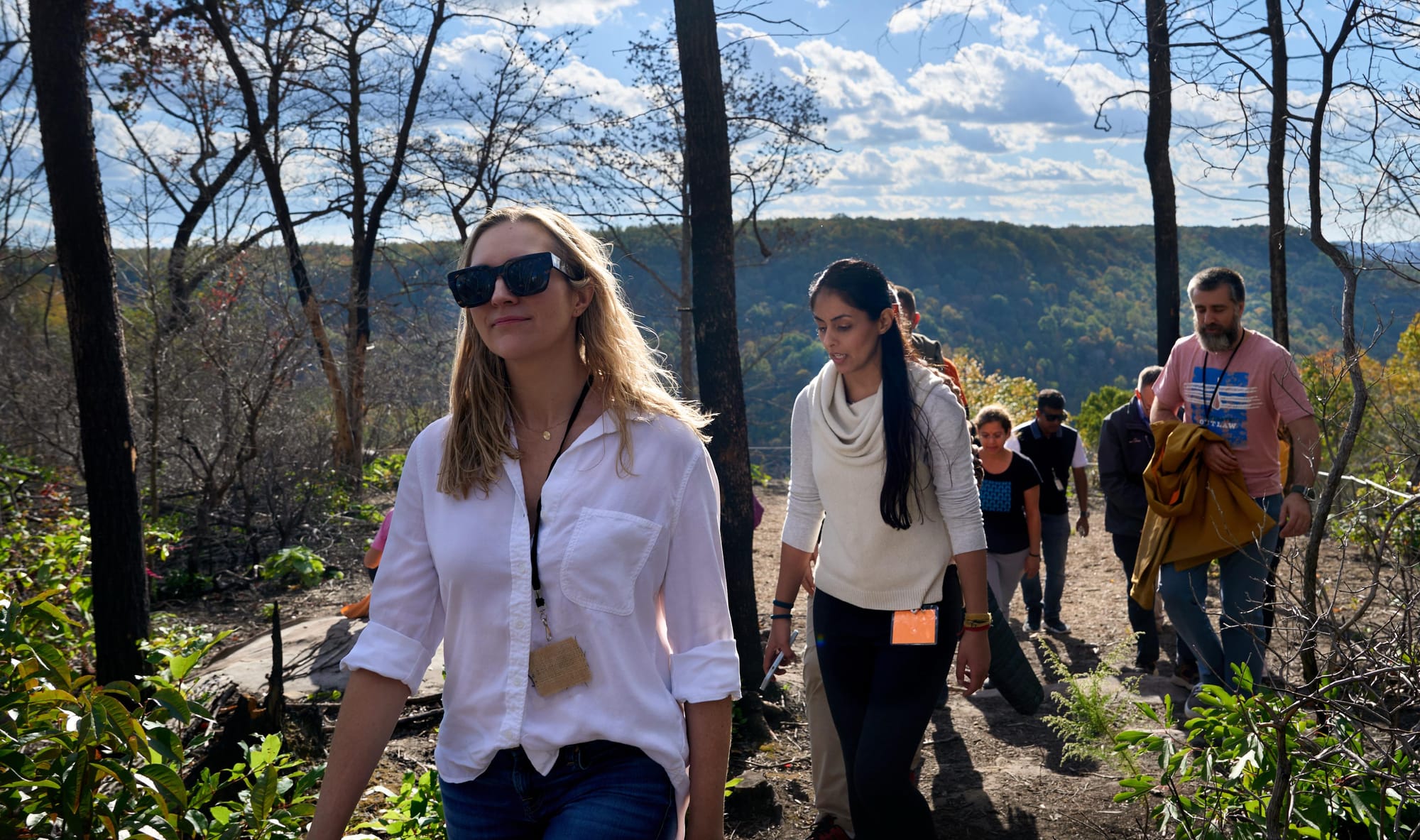
Visitors don't have to live at Isha or participate in its spiritual programs to enjoy what the property has to offer. Walking and biking trails wind through the mountain landscape, with wooded areas, waterfalls, and outdoor spaces available for exploration. Visitors can also participate in daily yoga classes, enjoy vegetarian meals, and shop for organic and natural products.
The institute has hosted Veterans Day programs, participated in community health fairs dating back to 2013, and welcomed visitors to its Christmas light garden during the holiday season. Each June, Isha also hosts Yoga Fest, offering another opportunity for the public to visit the mountain.
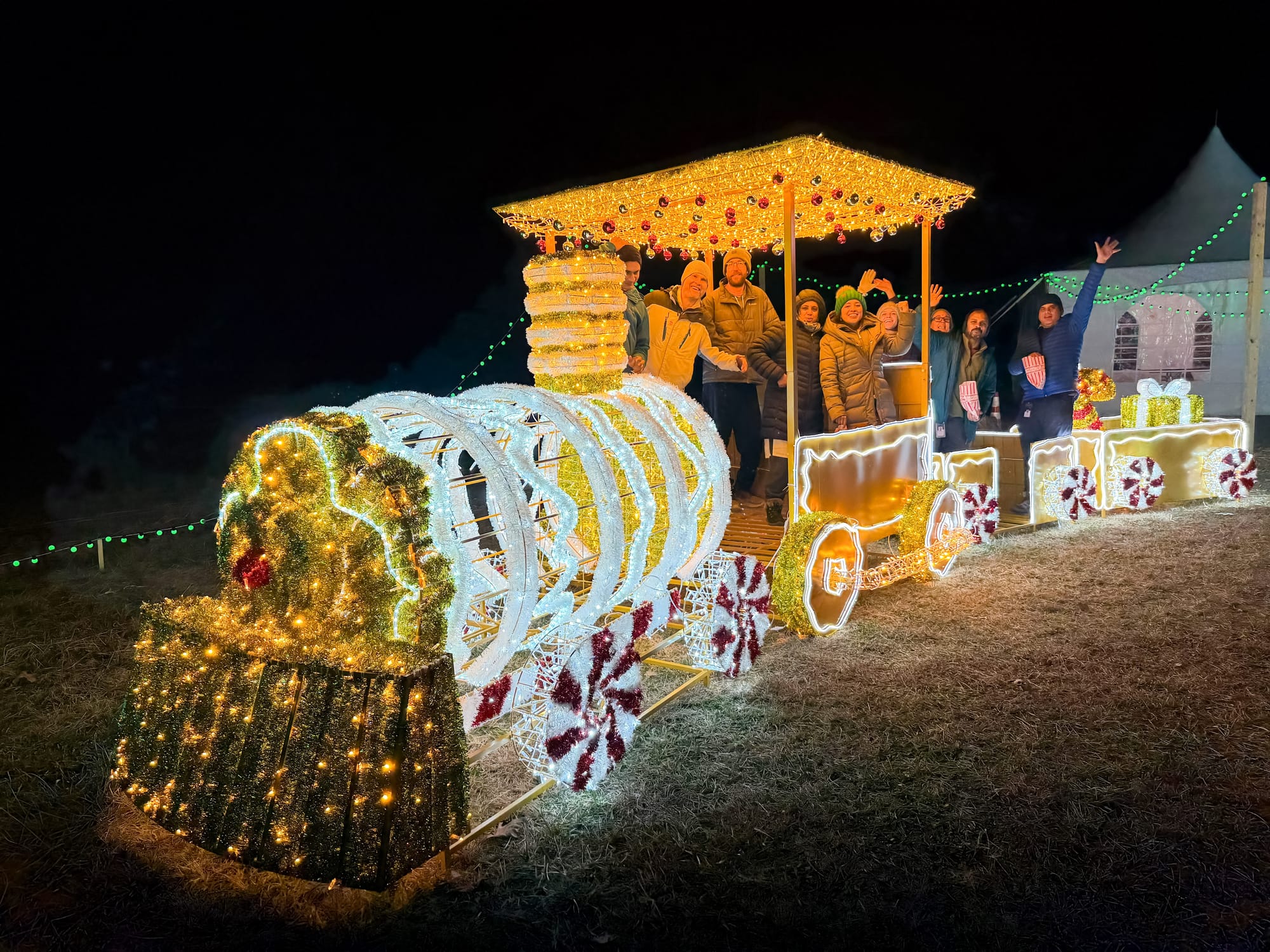

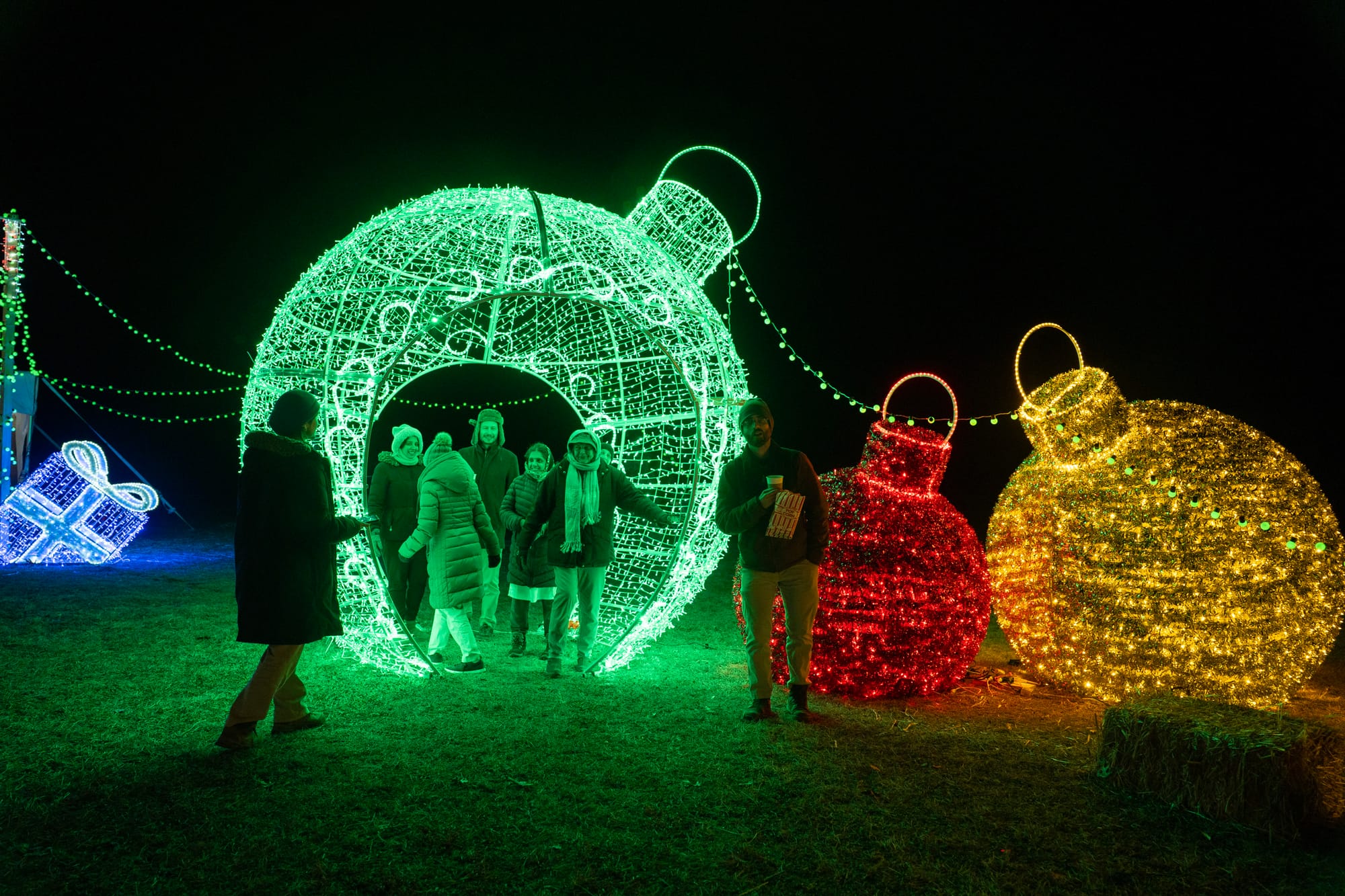

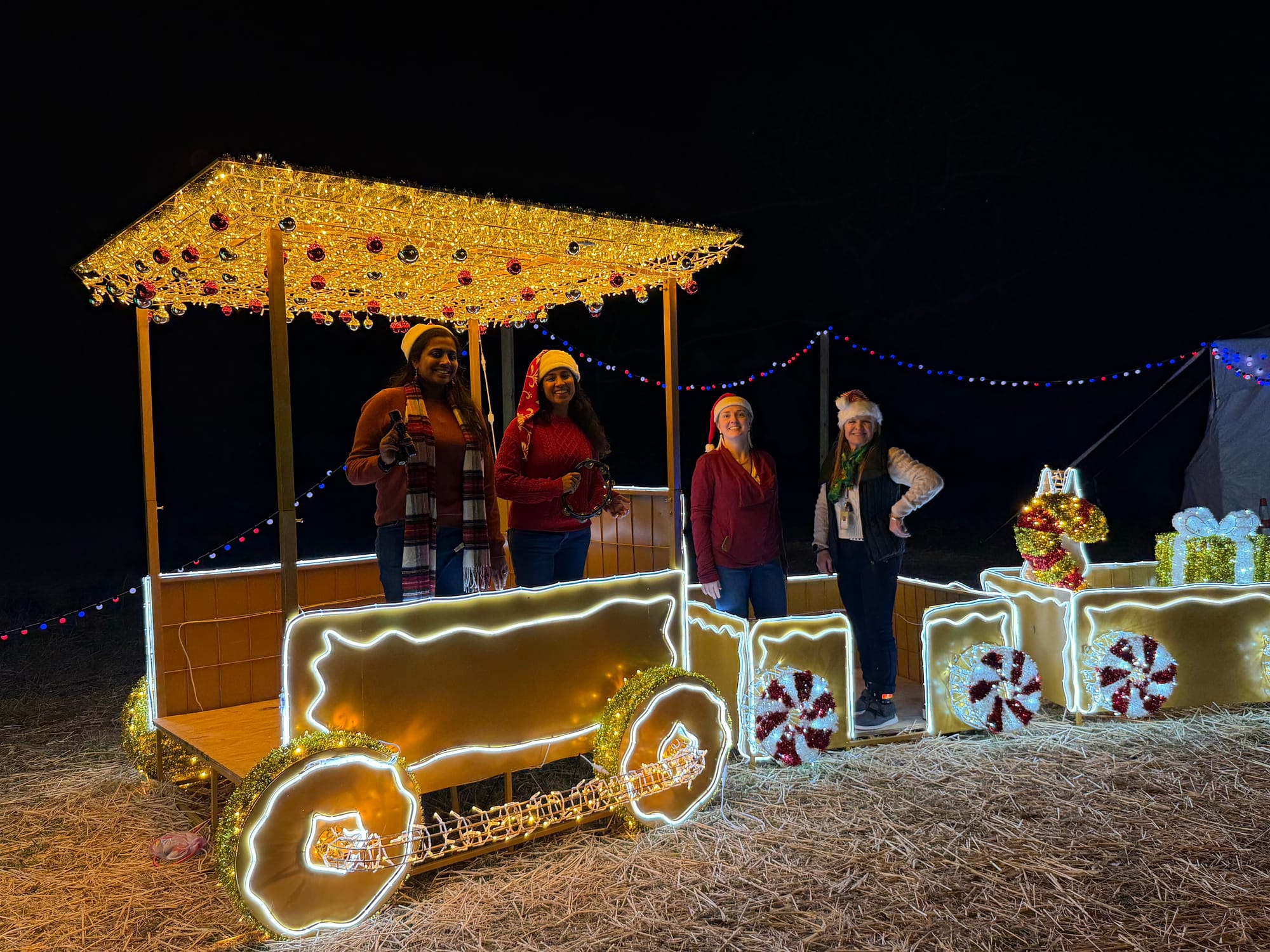

Photos submitted
For those interested in learning more, Isha holds a monthly open house where visitors can explore the property, learn about its programs, and participate in free classes. There is no requirement to live in the community or enroll in a program to attend.
Some visitors come for scheduled classes or retreats, while others simply want a day outdoors or a vacation in the mountains. Temporary accommodations, apartments, and other lodging arrangements provide options for those who wish to stay longer.
The property is also continuing to expand its recreational offerings, including a golf course currently under development.
Environmental conservation is another part of Isha's broader work, particularly through the Save Soil movement launched in 2022 by Sadhguru, founder of the Isha Foundation.
The international initiative focuses on the health of agricultural soil, encouraging greater awareness of soil degradation and advocating for policies and farming practices that protect and restore organic matter in the ground.
The effort gained international attention when Sadhguru undertook a 100-day motorcycle journey through 27 countries, meeting with leaders and raising awareness about soil health. Although the campaign operates internationally, its environmental message has also found a place in activities at the Tennessee institute.
For Earth Day 2025, Isha reported that residents and volunteers planted trees across the property, while schoolchildren and other community members participated in a river cleanup at Rock Island State Park.
The institute also hosted a public screening of Common Ground, a documentary examining regenerative agriculture and the relationship between farming practices and soil health.
Those efforts connect the organization's global environmental work to activities closer to home, where the condition of the land, waterways, and surrounding natural resources matters to residents throughout the Upper Cumberland.
Isha has not been without controversy. Its growth has prompted questions about development and infrastructure, while allegations concerning the organization and its leadership have generated public discussion. Isha has denied allegations of abuse and has pursued civil litigation over statements it maintains are defamatory.
Those matters cannot be resolved by a tour of the property, nor does a visit answer every question that has been raised about the organization.
But a visit can offer a look at something that is often missing from the conversation: the people who live there.
The families decorating their homes for Christmas. The parents raising children and sending them to school. The residents heading to work, preparing dinner, and spending time with their neighbors.
There is certainly more to Isha than the houses along its roads. Its spiritual programs, international following, and continuing development are significant parts of its identity.
But those aren't the only parts.
For the people who have chosen to make their homes on Harrison Ferry Mountain, Isha is also where they raise their families, build relationships, and go about their daily lives.
And perhaps the best way to begin understanding the community is to look beyond what has been said about it and spend some time seeing what is actually there.