Red sand brings hidden crisis into view


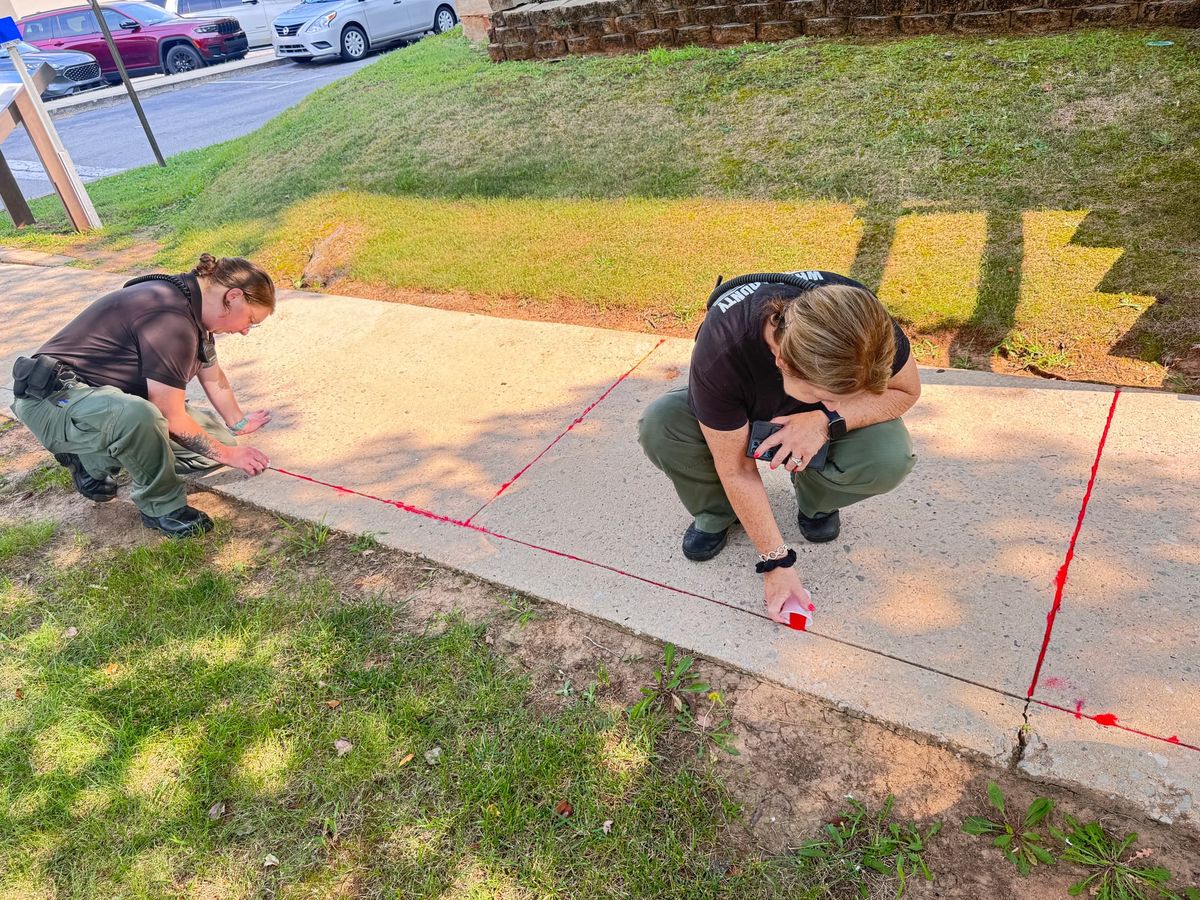
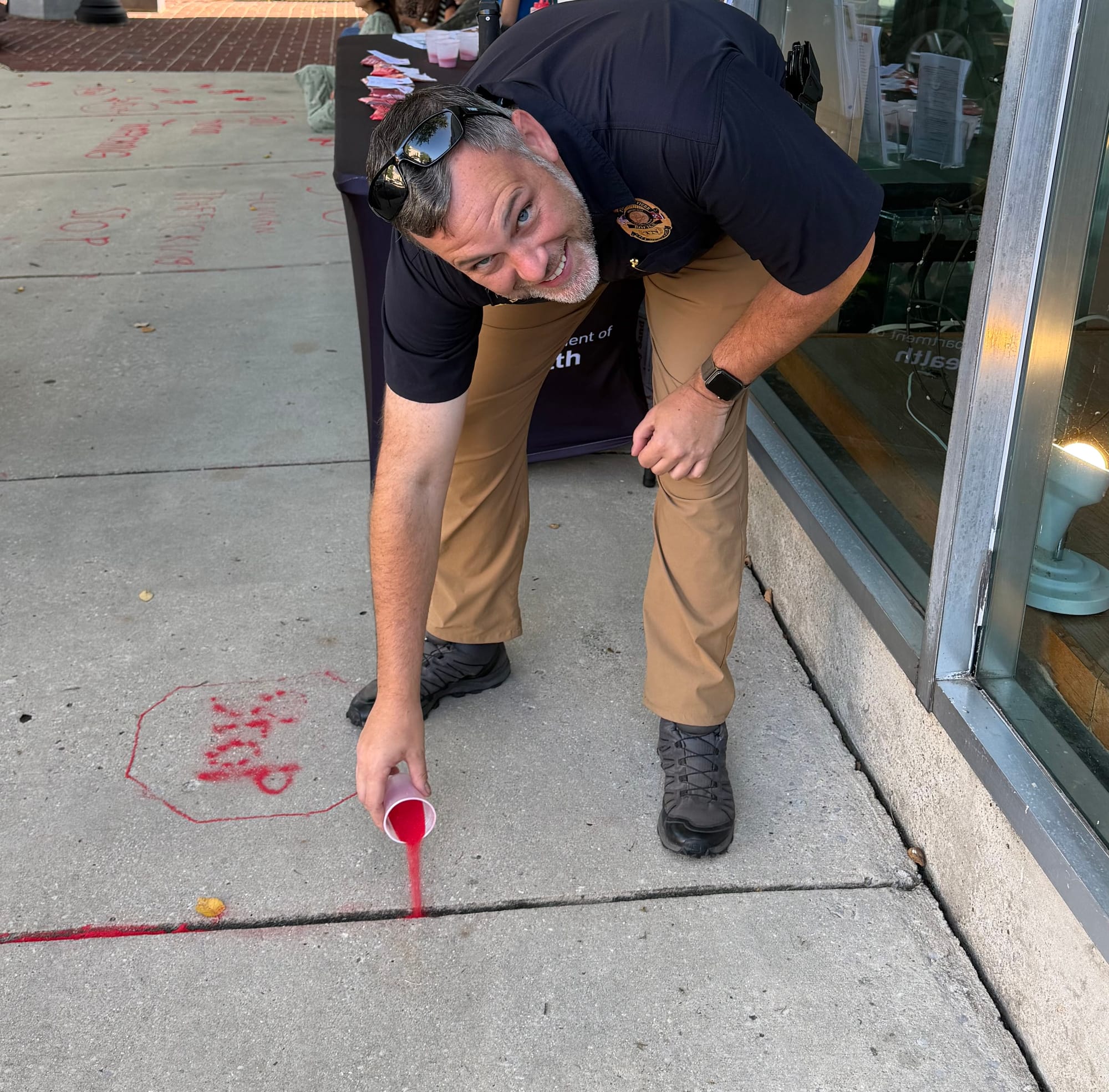
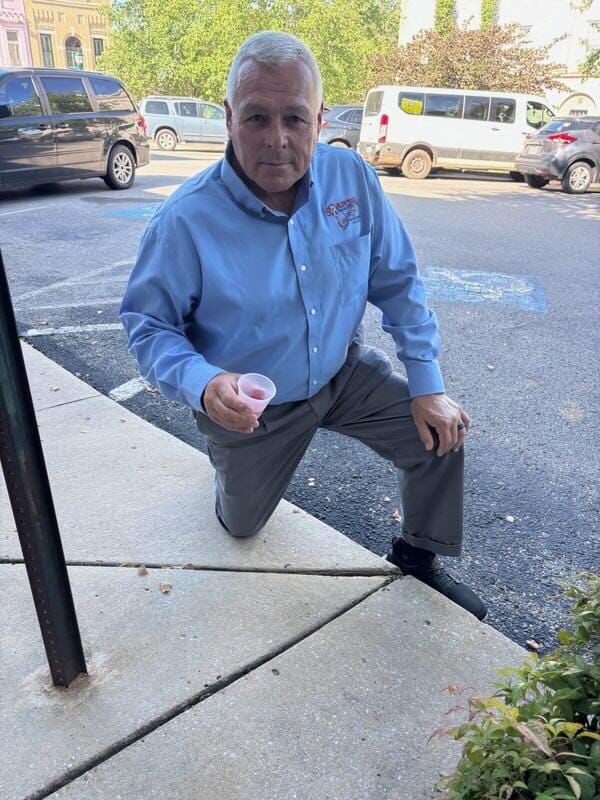
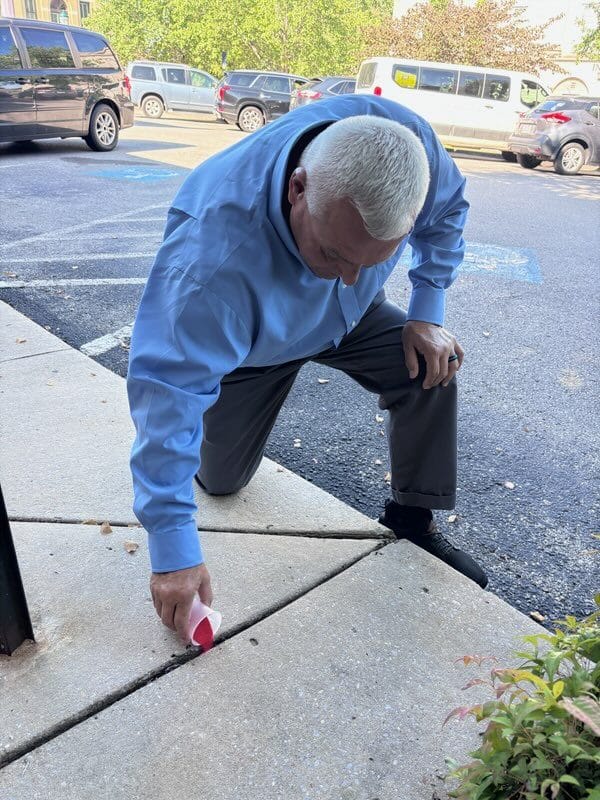
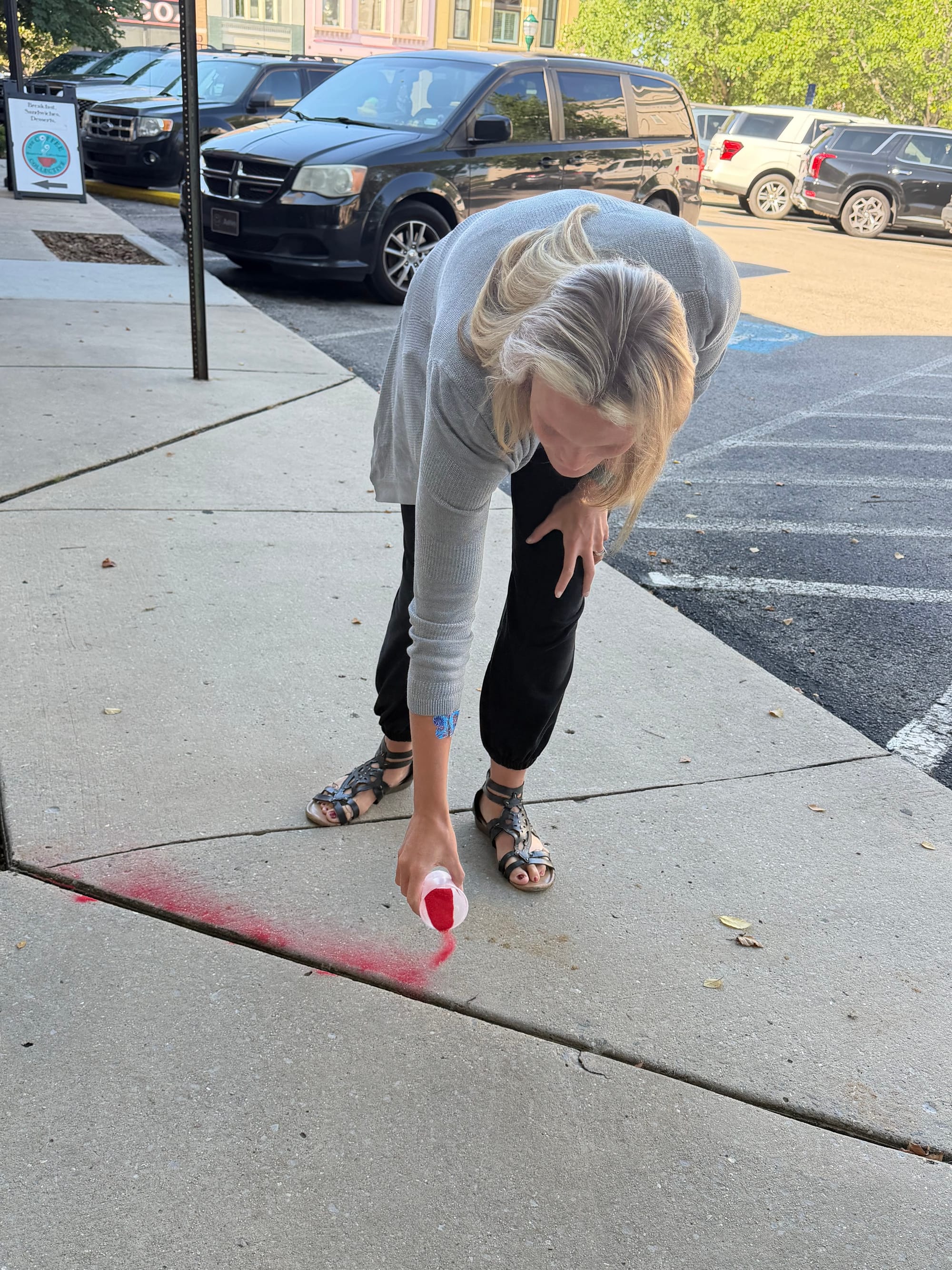
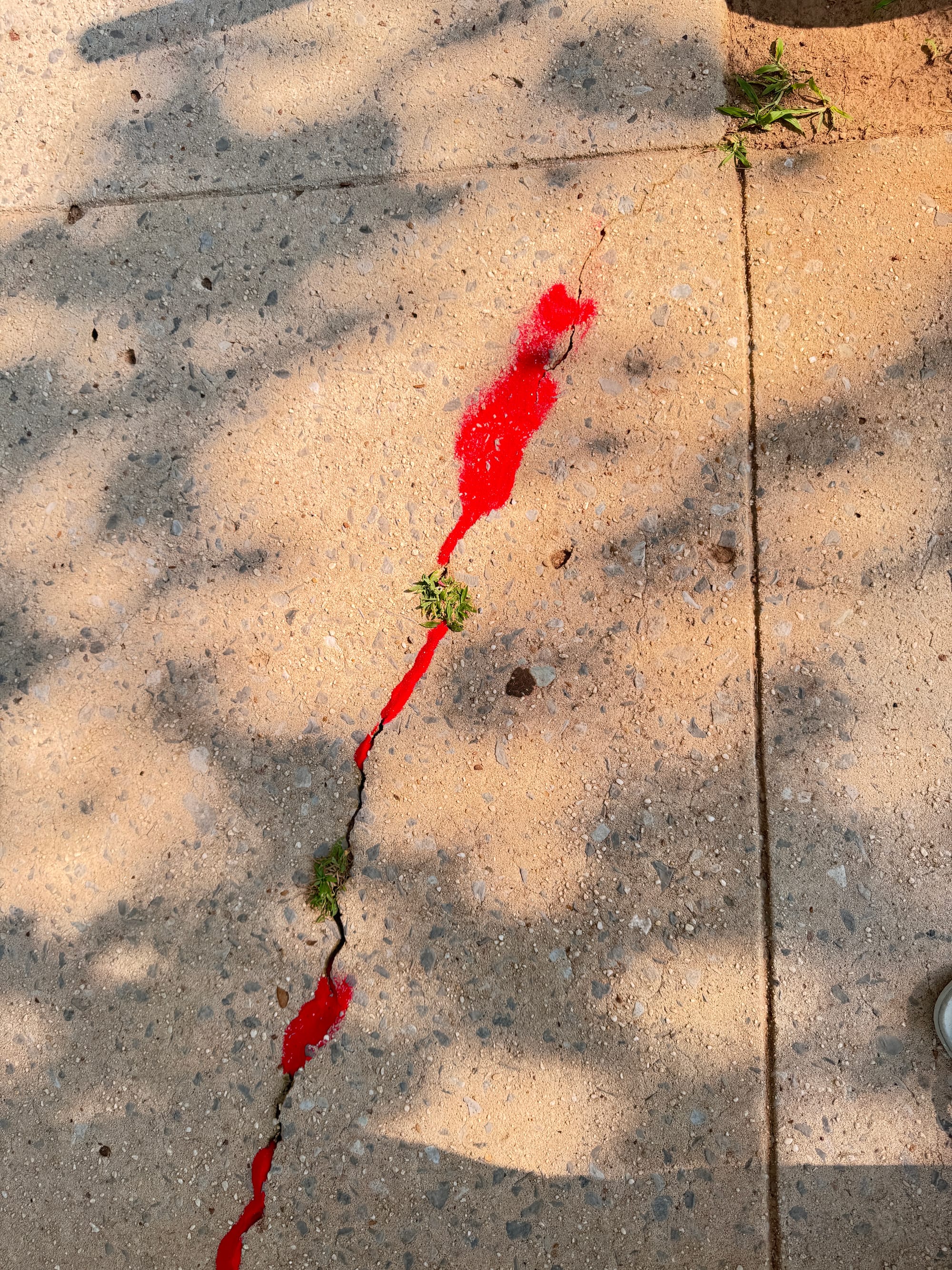
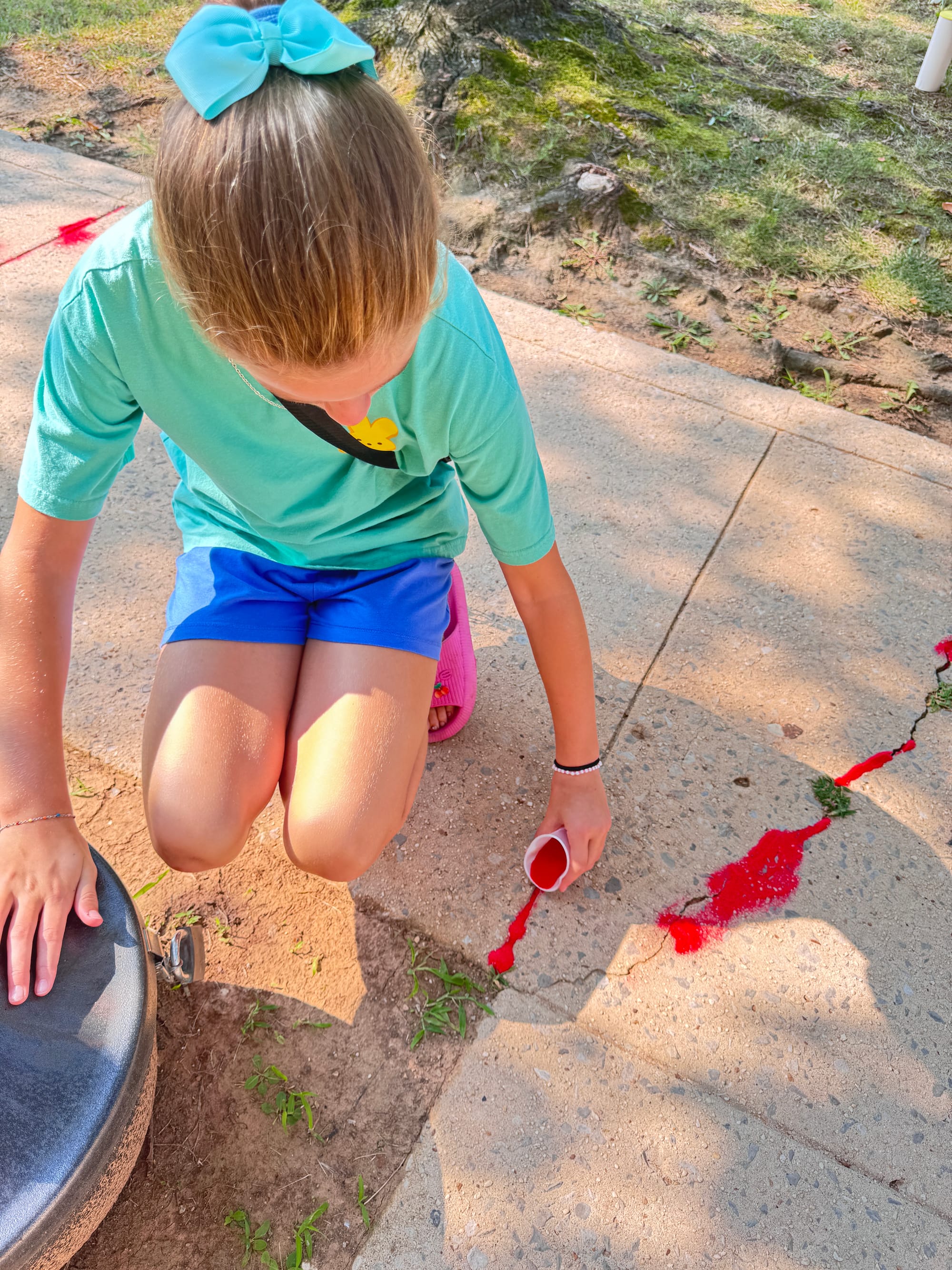
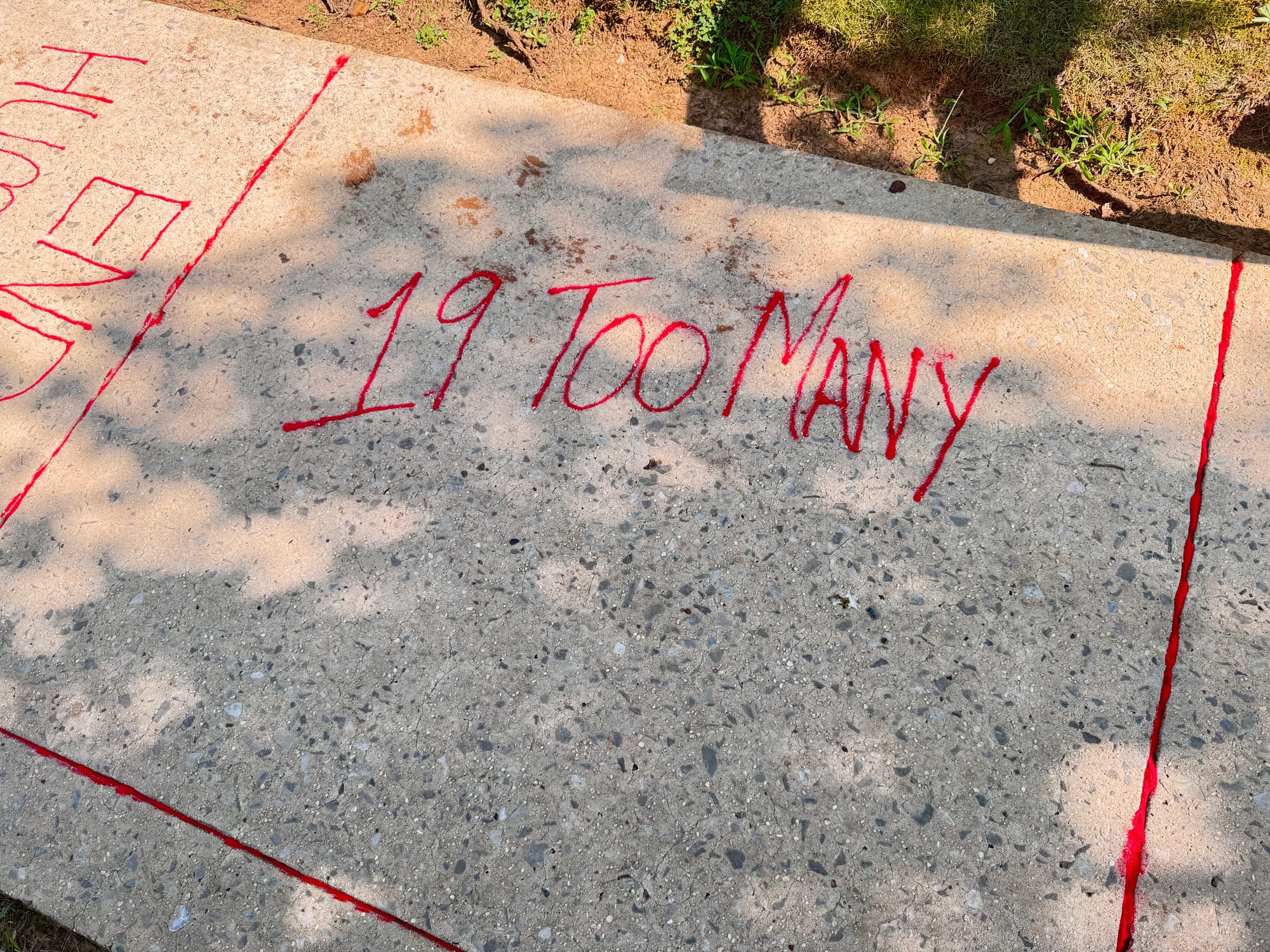
Residents walking through downtown Sparta this week may have noticed bright red sand filling the cracks in sidewalks outside the White County Courthouse and Sparta City Hall. The colorful display is part of a worldwide effort to bring attention to a problem that often remains hidden in plain sight.
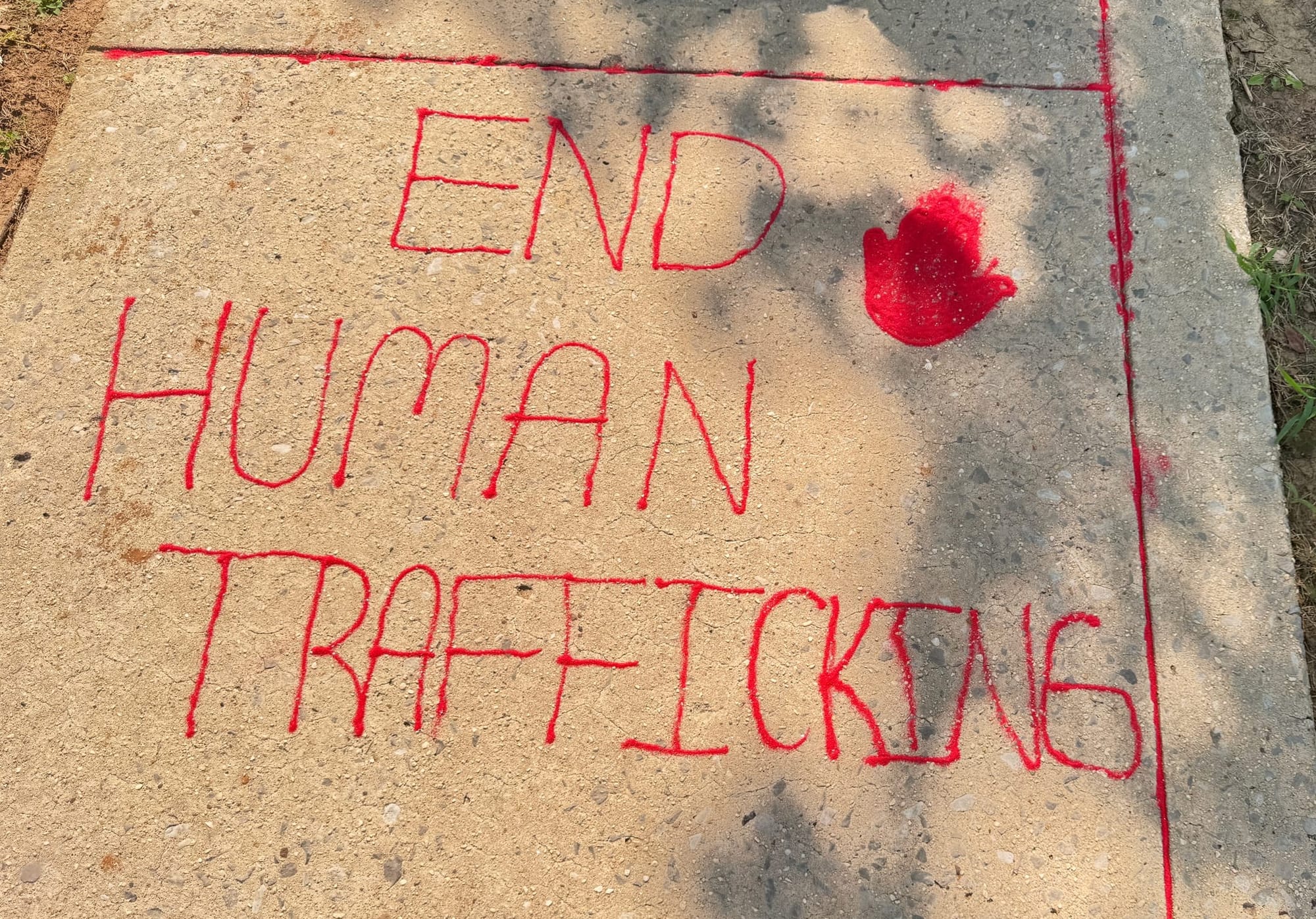
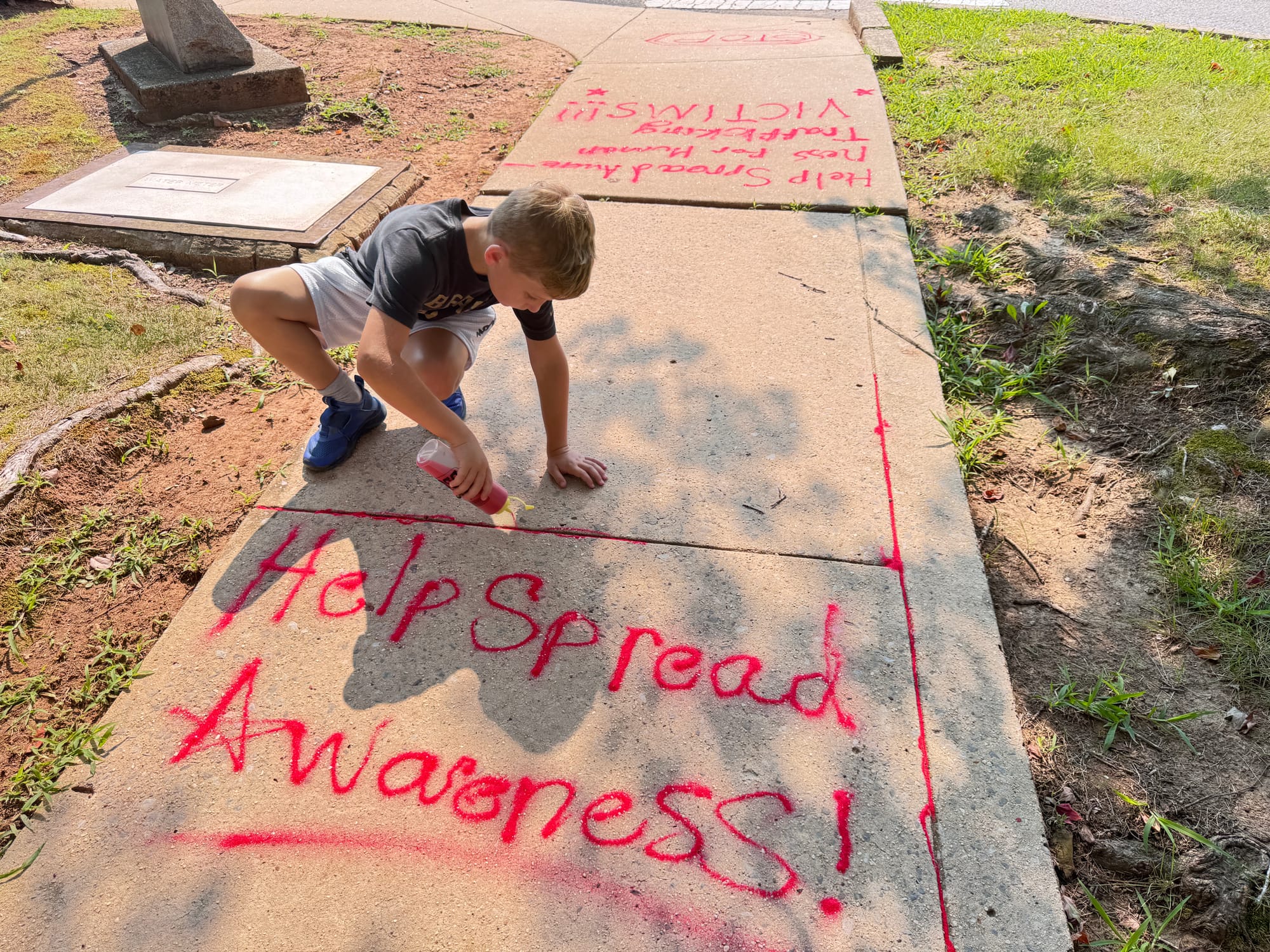
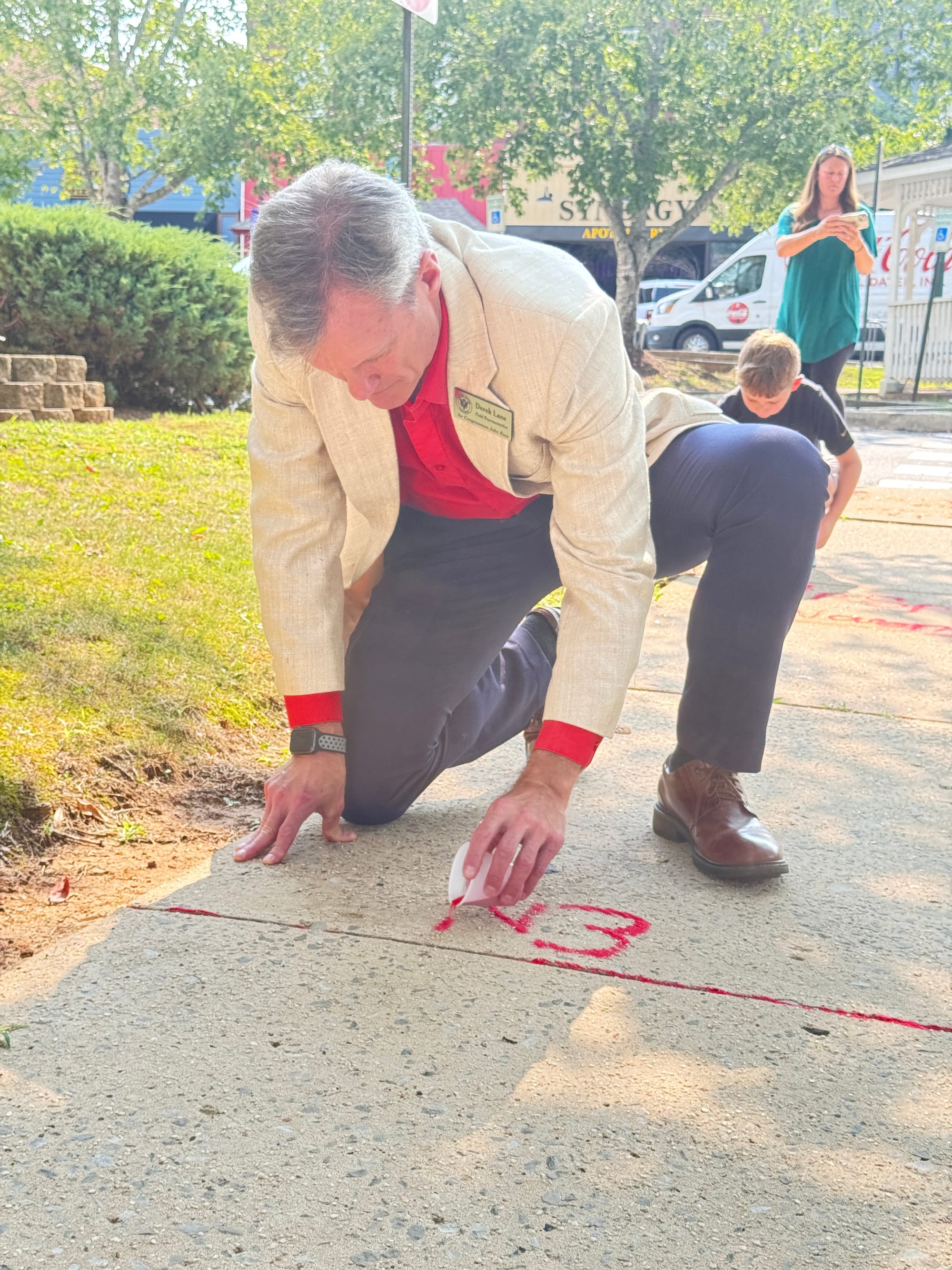
As part of Human Trafficking Awareness Week, the White County Health Department is participating in the Red Sand Project, a public awareness campaign designed to encourage conversations about human trafficking and the vulnerabilities that can lead to exploitation.
Created by artist Molly Gochman, the Red Sand Project is a participatory artwork that invites community members to pour red sand into cracks in sidewalks, symbolizing those who can "fall through the cracks" and become vulnerable to trafficking, modern slavery and exploitation.
The health department hosted the project outside the White County Courthouse on Tuesday, July 29, and continued the effort at Sparta City Hall on Wednesday, July 30. In addition to spreading sand, participants had the opportunity to learn more about human trafficking, warning signs and ways to help protect vulnerable individuals.
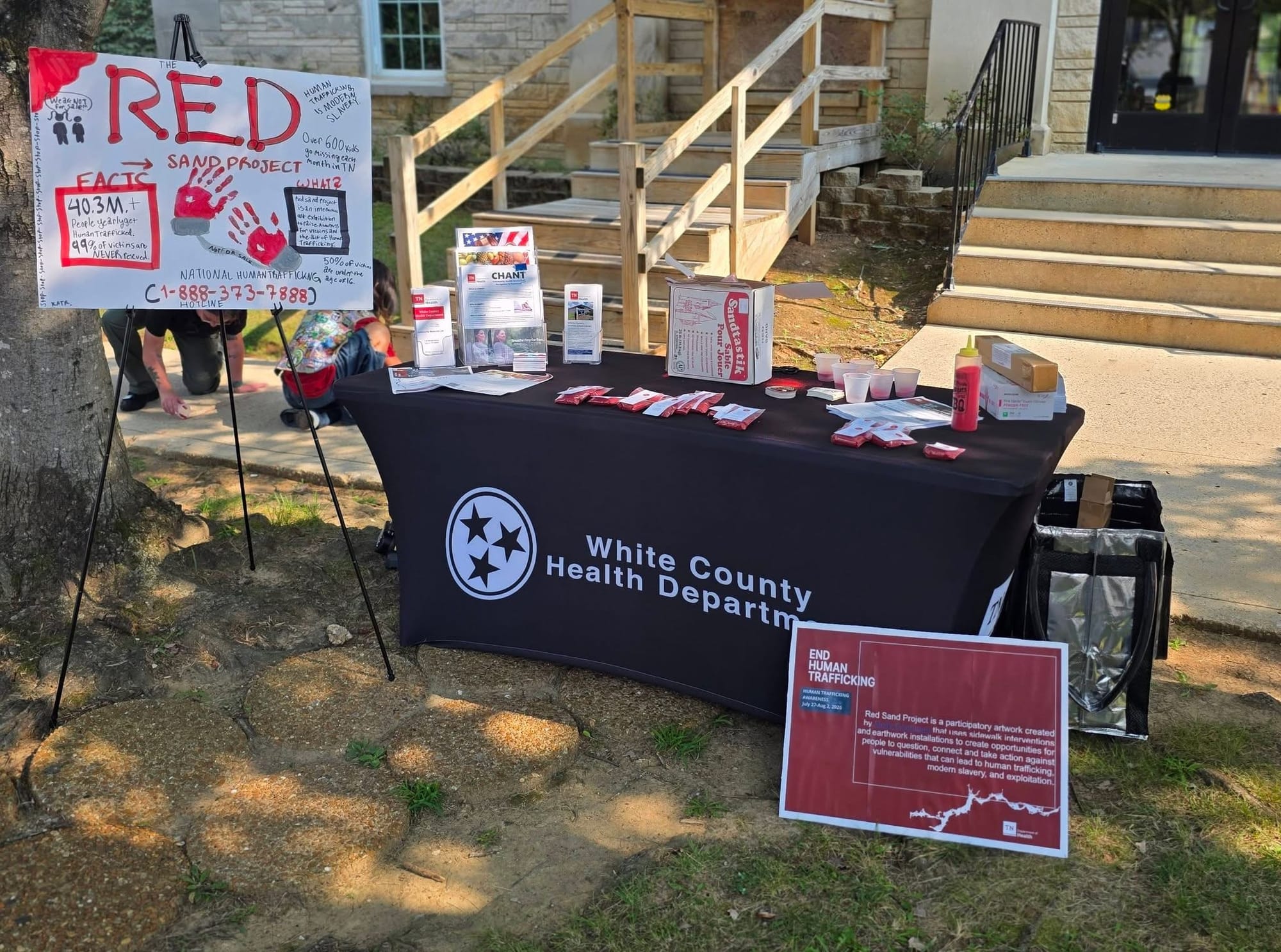
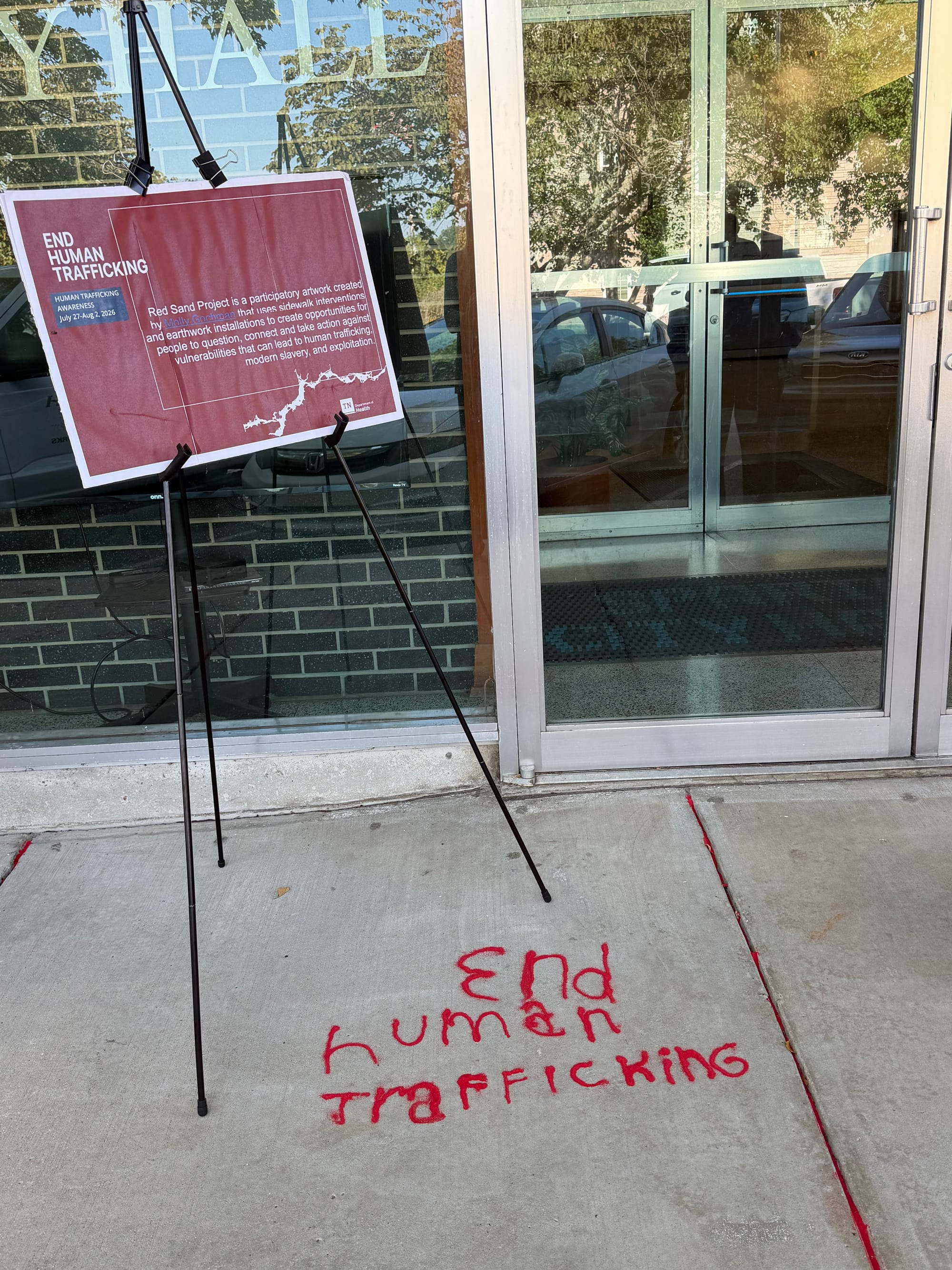
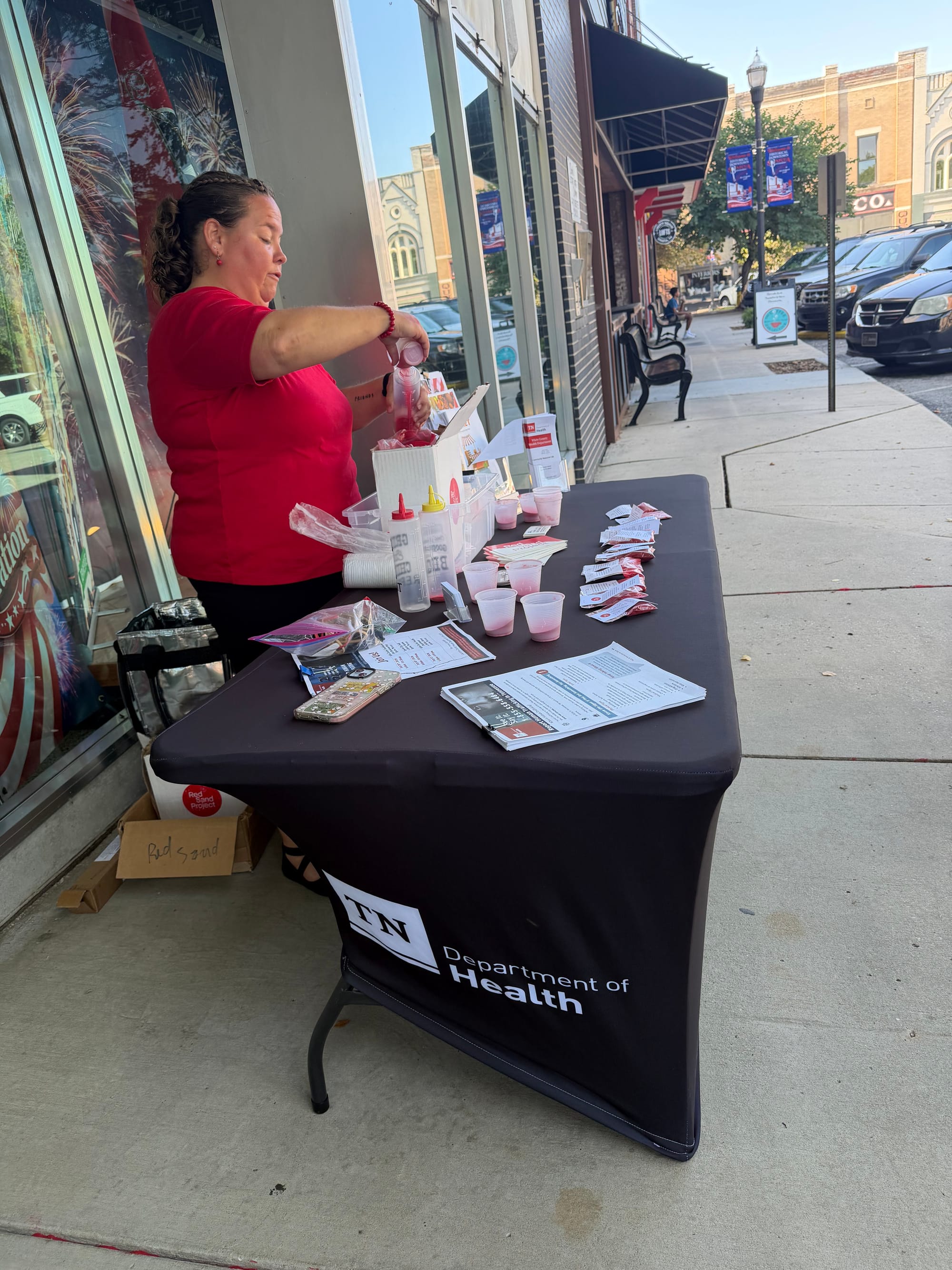
Health department representatives said the project is intended to start conversations while reminding the public that trafficking can occur in communities of all sizes, not just major cities.
According to information shared during the event, there have been 19 confirmed human trafficking-related abduction cases in the Upper Cumberland as of April 2026, including seven in Cumberland County and six in Putnam County.
The awareness effort extends beyond the health department.
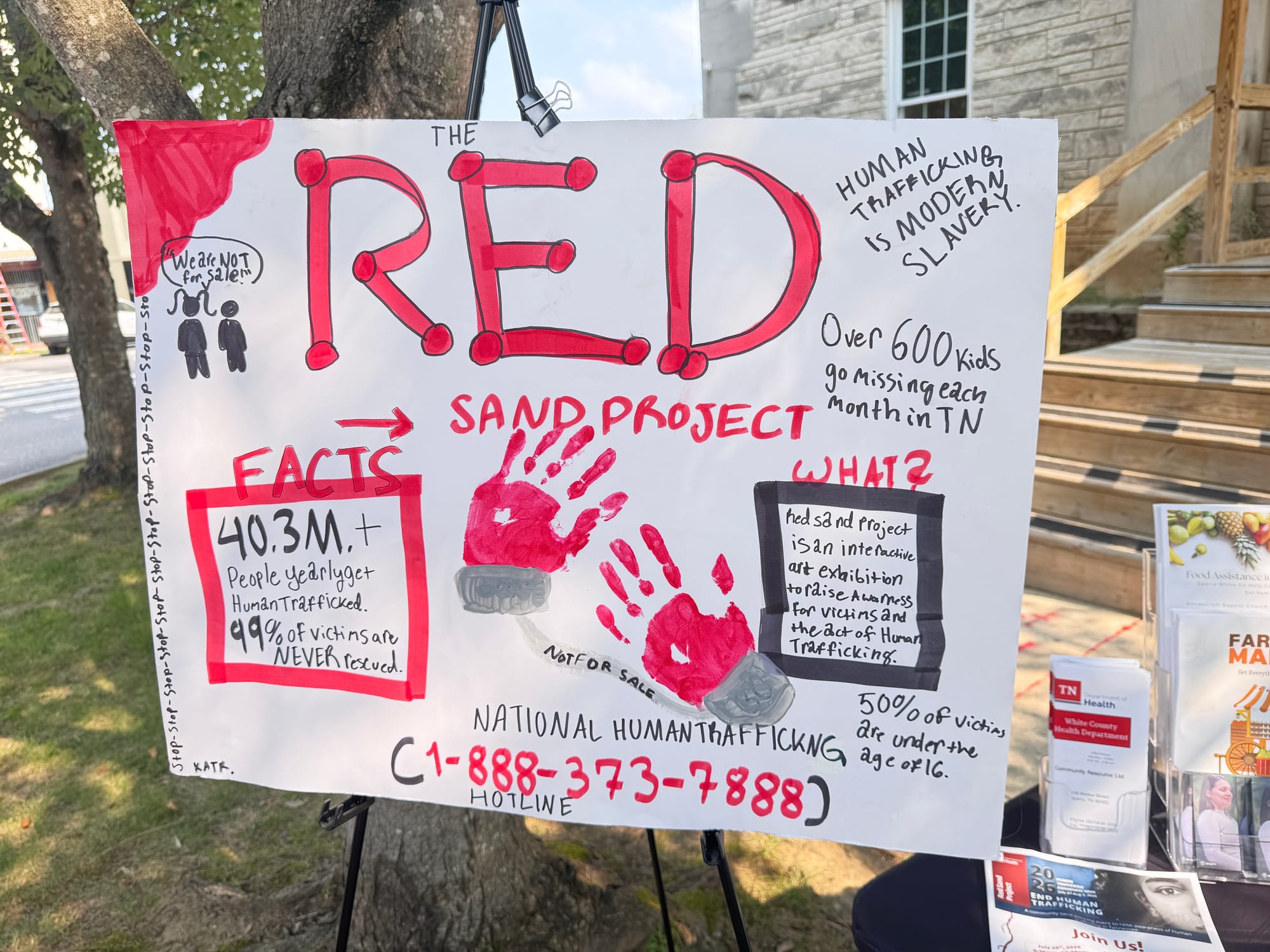
Fourteen-year-old White County Girl Scout Katherine Roberts has also made human trafficking awareness part of her community service efforts, using her platform to educate both parents and young people about the dangers facing today's youth.
Roberts said online activity and social media have created new opportunities for predators to target children, making digital safety an important part of preventing exploitation. She encourages parents to stay involved with their children's online activity, monitor the apps and devices they use, and maintain open conversations about internet safety.
Roberts pointed to Tennessee Bureau of Investigation data showing that approximately 500 to 600 children are reported missing each month in Tennessee. While those reports include a variety of circumstances, such as runaways and parental abductions, she said the figure serves as a reminder that children can be vulnerable and that parents should remain actively involved in their children's online lives and digital activity.
Looking beyond Tennessee, Roberts noted that an estimated 40.3 million people worldwide are living in situations of human trafficking or modern slavery. She said raising awareness, educating families about online safety and recognizing the warning signs of exploitation are critical steps communities can take to help protect vulnerable individuals.
"Knowledge is power," Roberts said, explaining that she hopes to be a voice for those who are unable to speak for themselves.
Through the Red Sand Project, organizers hope the simple act of filling sidewalk cracks with red sand will leave a lasting impression, reminding community members that awareness, education and early intervention can help prevent people from falling through the cracks.
Community members hoping to participate in the Red Sand Project have one more opportunity this week. The White County Health Department will be spreading sand in front of their location at 135 Walker Street in Sparta on Friday, July 31, from 1:30pm - 3:00pm. They encourage everyone to stop by and pour some sand as they make a commitment to help stop victims from "falling through the cracks."