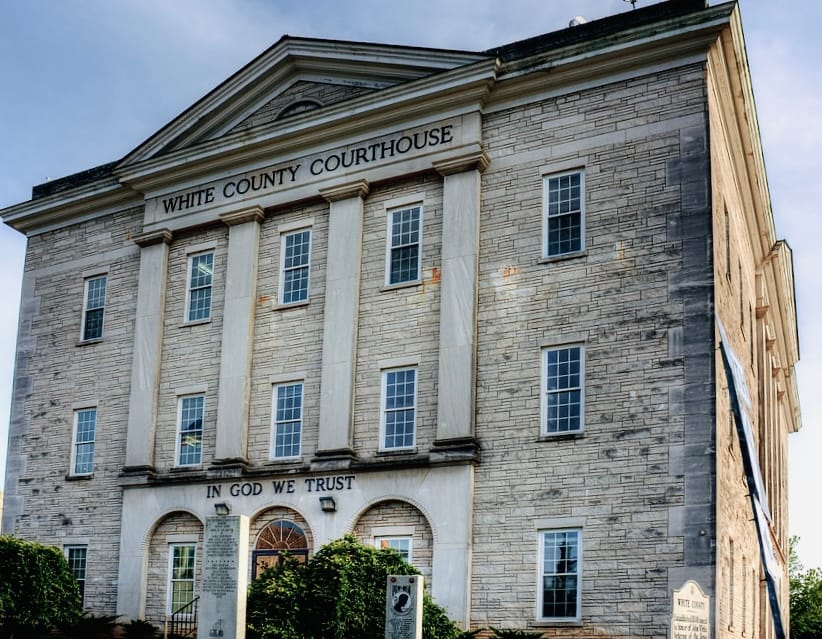
County Executive Denny Wayne Robinson announced this week that White County’s audit was released with no findings.
“This is great news,” Robinson said, adding the county had continually received a mark on the state comptroller’s annual audit for much longer than he has been in office. “This is a historic moment for White County. As part of the sale, the landfill closure/post-closure fund has been fully funded, a finding that has always appeared on past audits.”
By rule, Tennessee counties that operate landfills must put money in a fund annually for the costs associated with the future closure of their landfill. Robinson estimated that this amount was somewhere between $500,000 and $600,000 annually for White County and did not include the tax the county pays to the state.
“The state dictates the amount we are required to set aside each year and bases it on the amount of trash we take in,” Robinson explained. “This amount is supposed to go into a savings account to be used when the time comes that the landfill has to be sealed and closed.”
However, for years, Tennessee did not enforce the regulation with the assumption that if a landfill was forced to close, counties could simply tax their residents to pay the closure fees. White County operates as low a budget as they possibly can, and, for the entire 30 years that they owned and operated the landfill, they pushed they did not contribute to the savings as it would have meant a significant tax increase.
Recently, the state made the decision that all counties would have to get their closing funds current and up to date or cease using their landfills immediately. For White County, that meant more than $18 million, money that wasn’t available without charging it to the citizens.
“We are talking about a 50 percent tax increase,” Robinson said. “We can’t do that to the people here. They don’t have that money - and neither do we.”
When the White County commissioners made the decision to sell the county landfill to Waste Management, the private company had to foot the entire $18 million bill before they could begin operating. They did, and now White County’s debt has been erased. Moving forward, Waste Management will have to continue contributing to the landfill closure fund and, as a private company rather than a government entity, will not have the option of taxing the people for the cost.
“There’s more to the audit than just the landfill,” Robinson added, “but that was the one line item that was always a negative mark on our annual report.”
The annual Tennessee Comptroller of the Treasury audit checks to ensure the county is spending money legally and following procured procedures. They also check to ensure that the county and its commissioners and employees are following internal procedures that have been set. They review the minutes from county commission meetings to make sure all money being moved internally between accounts is being tracked and recorded with permission from the county’s elected commissioners. With the landfill issue resolved, White County has received its first clean audit in thirty years.
“Achieving this milestone was no easy task. It took teamwork, dedication, and a shared commitment to doing things the right way,” Robinson said. “Congratulations and thank you to all of our county officials and employees. Your hard work made this possible! Together, we’re setting a strong foundation for White County’s future.”