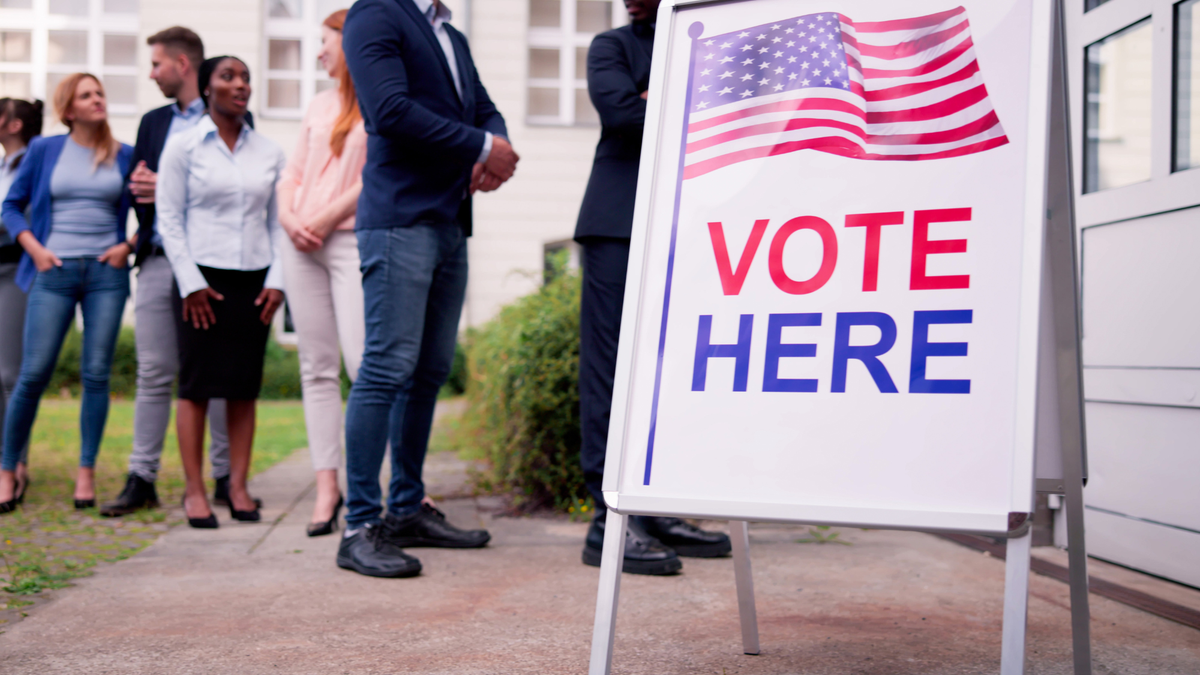
As early voting continues across White County, one question keeps coming up: what do those numbers actually tell us?
The short answer — not as much as people might think.
It’s easy to look at strong early turnout and assume it signals momentum for one candidate or another. But historically, early voting numbers don’t point to a clear winner on their own. They show participation, not preference. A busy early voting period can reflect heightened interest in a race, competitive local contests, or simply convenience for voters who prefer to avoid Election Day lines.
In other words, more people voting early doesn’t automatically mean a shift in outcomes — it just means more people are choosing to vote early.
There’s also a difference in who tends to vote early compared to those who wait until Election Day. Early voters are often people with tighter schedules, those who want to avoid potential conflicts, or voters who prefer to take their time without the pressure of Election Day crowds. In some cases, older voters or those who have made up their minds well in advance are more likely to cast ballots early.
Election Day voters, on the other hand, can include those who like to wait until the final days to decide, as well as voters who simply prefer the tradition of voting on the day itself. That group can sometimes shift the final totals in ways that early numbers alone don’t capture.
That’s why turnout trends are best viewed as part of a bigger picture. Early voting totals can hint at overall interest in an election, but they don’t account for who those voters are supporting — and they don’t reflect the ballots that will still be cast when polls open on Election Day.
For readers watching the numbers roll in each day, the key takeaway is simple: early voting tells us how many people are showing up — not how they’re voting.
And with several days still to go, the full story won’t be clear until the final ballots are counted.