Motlow's Sparta Site Opens Doors to More Than Degrees


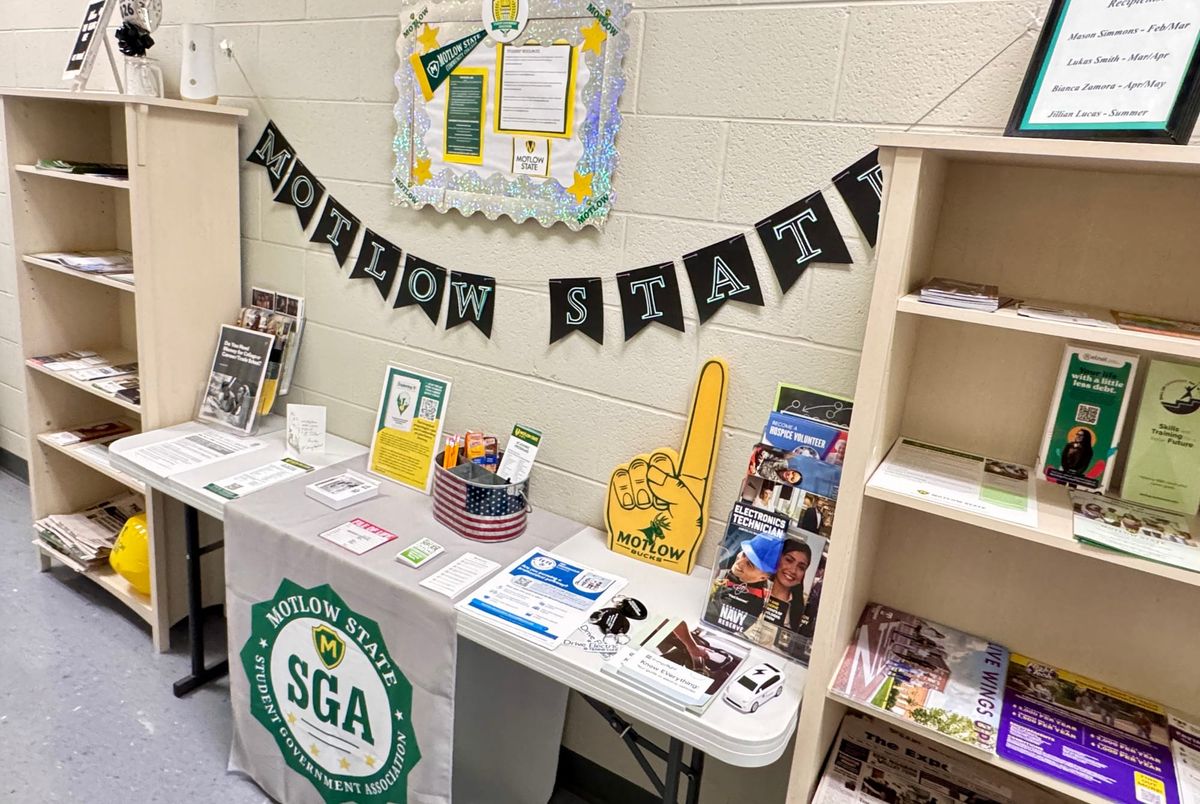
What began as a traditional open house at Motlow State Community College’s Sparta campus quickly turned into something more — a showcase of how the local campus is trying to redefine what higher education and workforce development can look like in White County.
For years, many in the community have viewed Motlow primarily as a stepping stone — a place to knock out a few general education classes before transferring to a four-year university. But campus leaders say that image no longer tells the full story.
Inside the Sparta campus Thursday, visitors moved from classroom to classroom learning about programs that extend far beyond traditional college coursework, including emergency medical training, aviation simulation, workforce certifications and career advancement opportunities designed specifically for working adults.
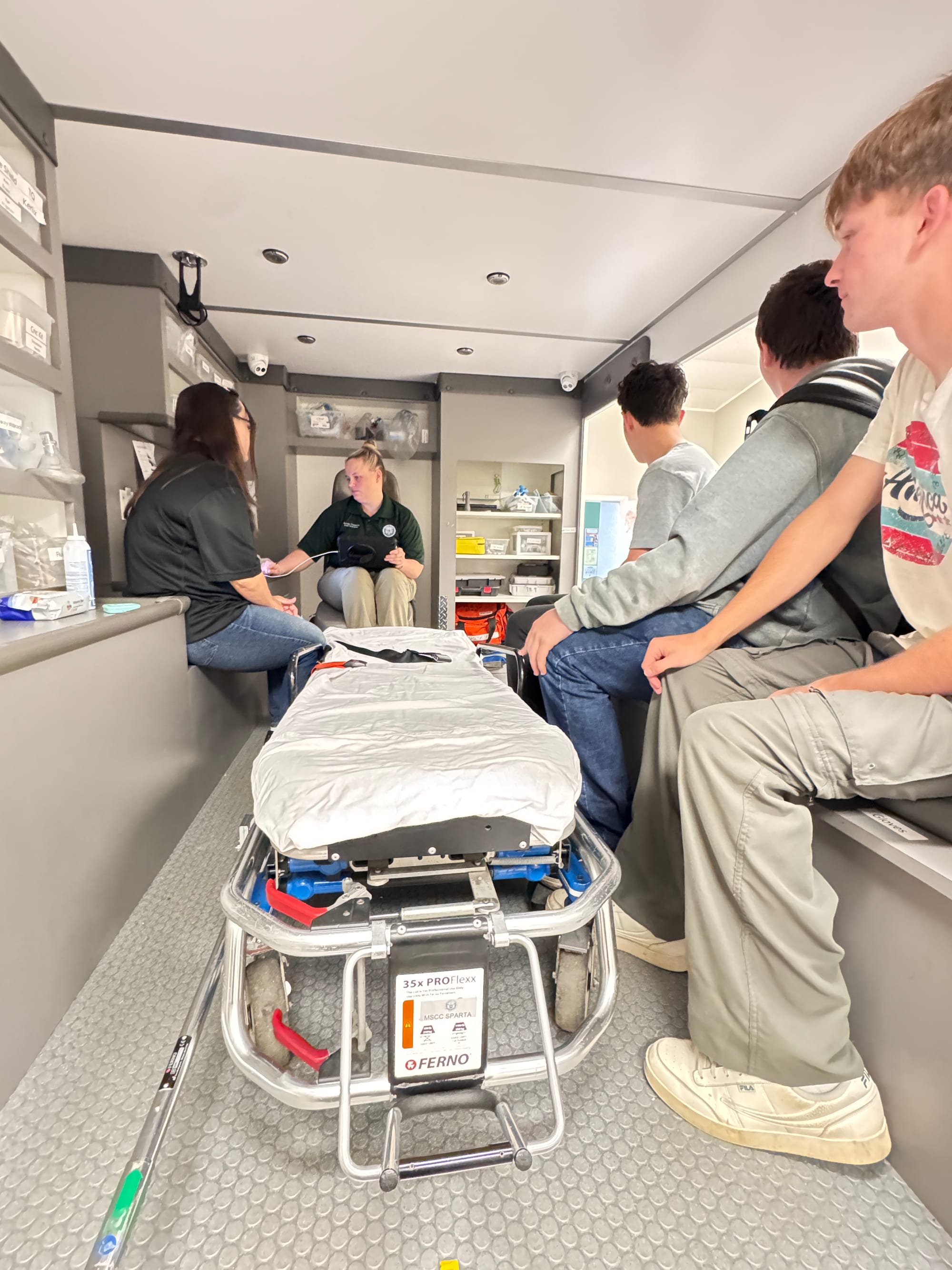
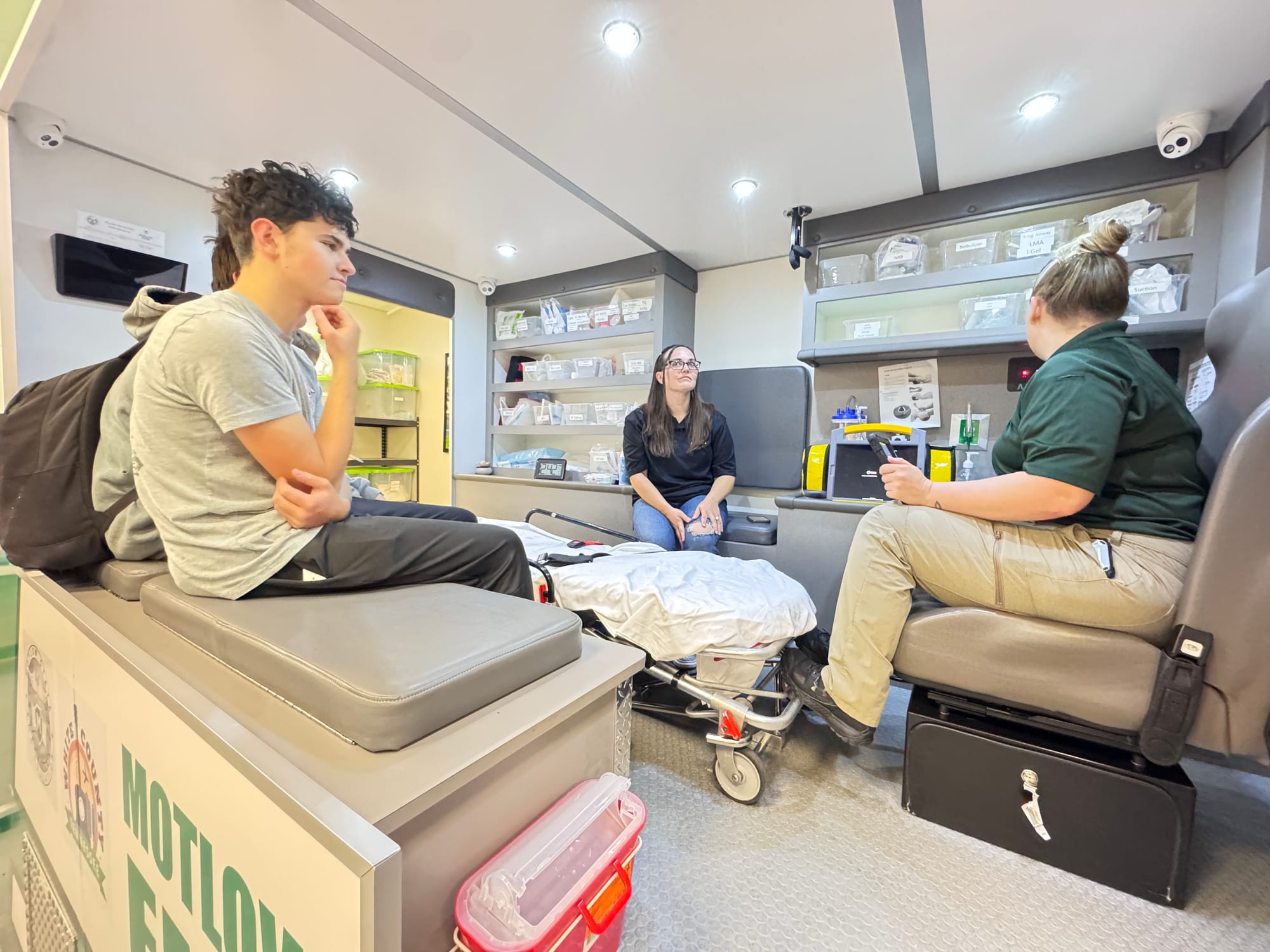
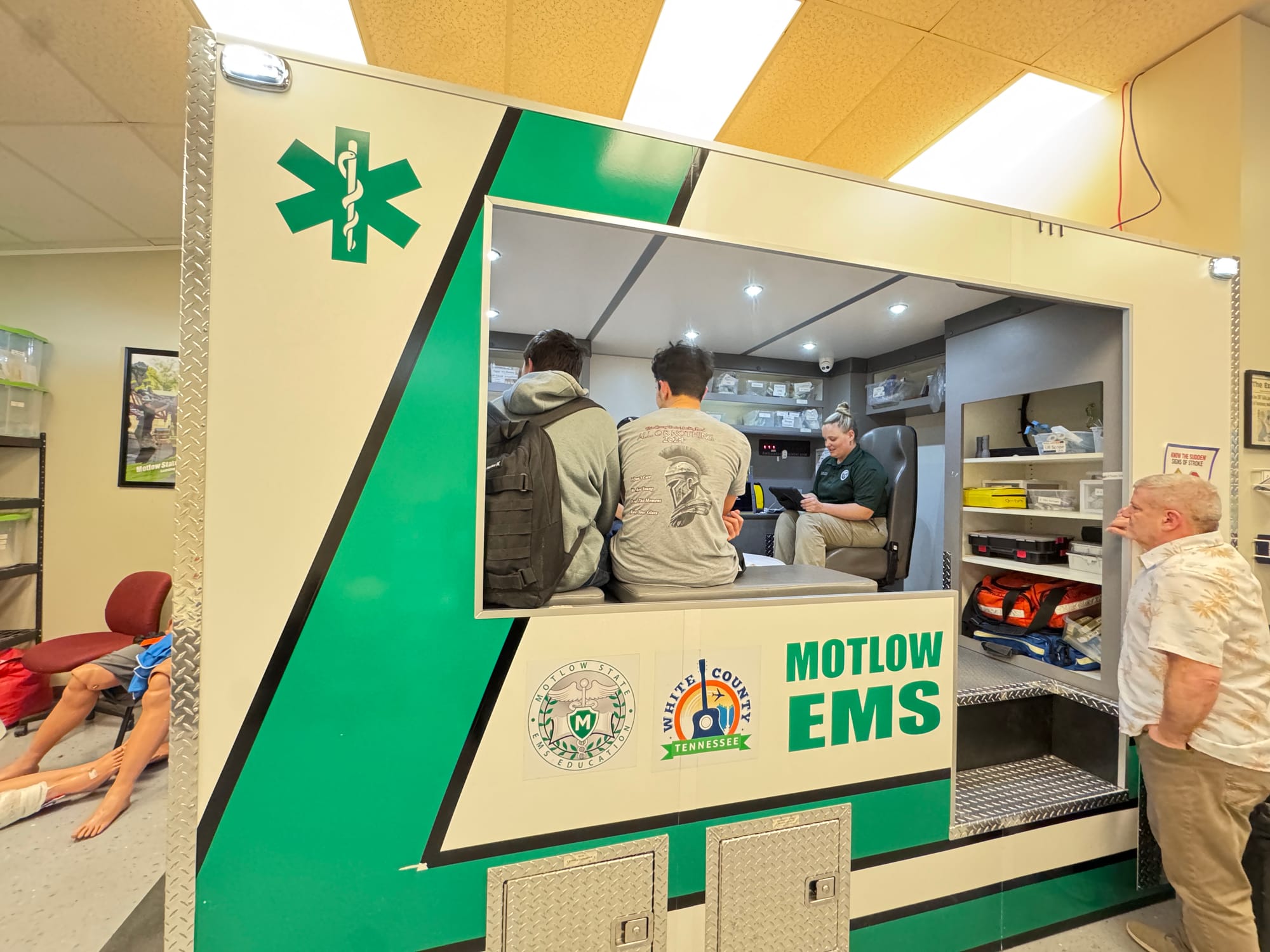
One of the most hands-on demonstrations came from Motlow’s emergency medical services programs, where attendees were able to see the campus’ ambulance simulator and learn about the school’s EMT, Advanced EMT and Paramedic pathways.
The EMT basic program can be completed in roughly three months, allowing students to move quickly into the workforce or continue advancing through higher certification levels. The program is accredited by the Commission on Accreditation of Allied Health Education Programs (CAAHEP), and graduates are prepared to take the National Registry of Emergency Medical Technicians exam required for Tennessee licensure.
Students can begin with EMT certification before progressing to Advanced EMT and eventually the full Paramedic program — all while training locally in Sparta.
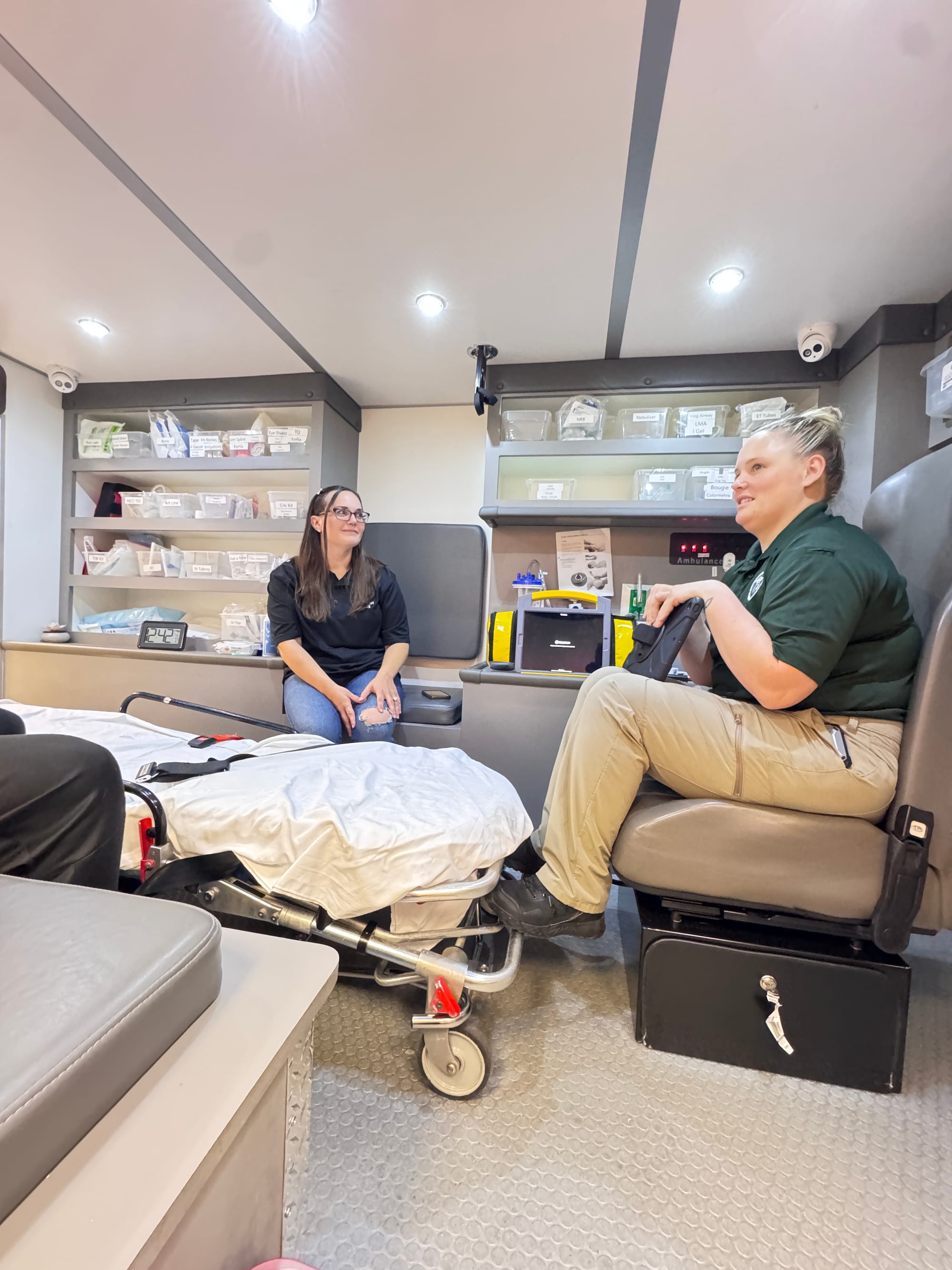
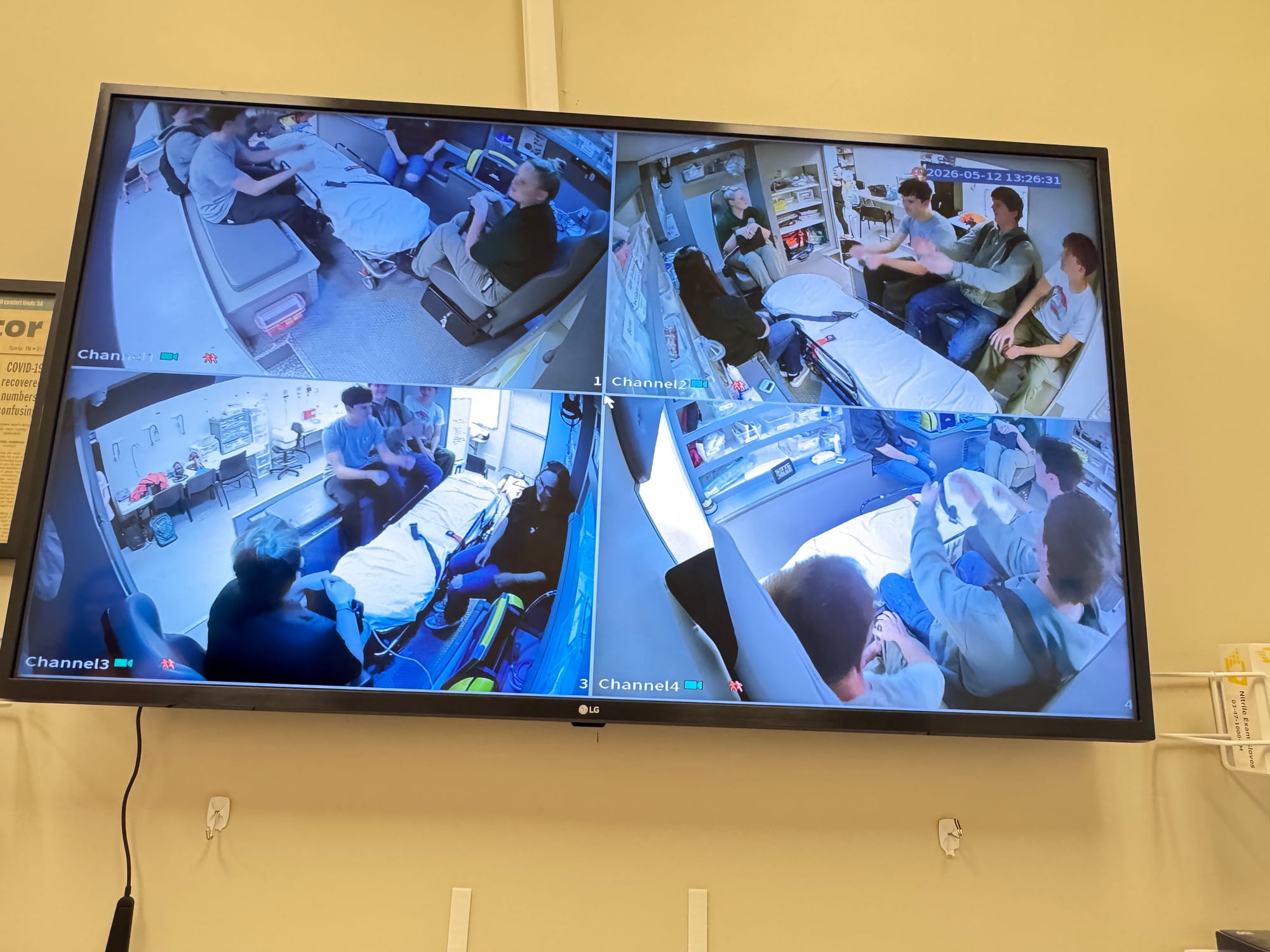
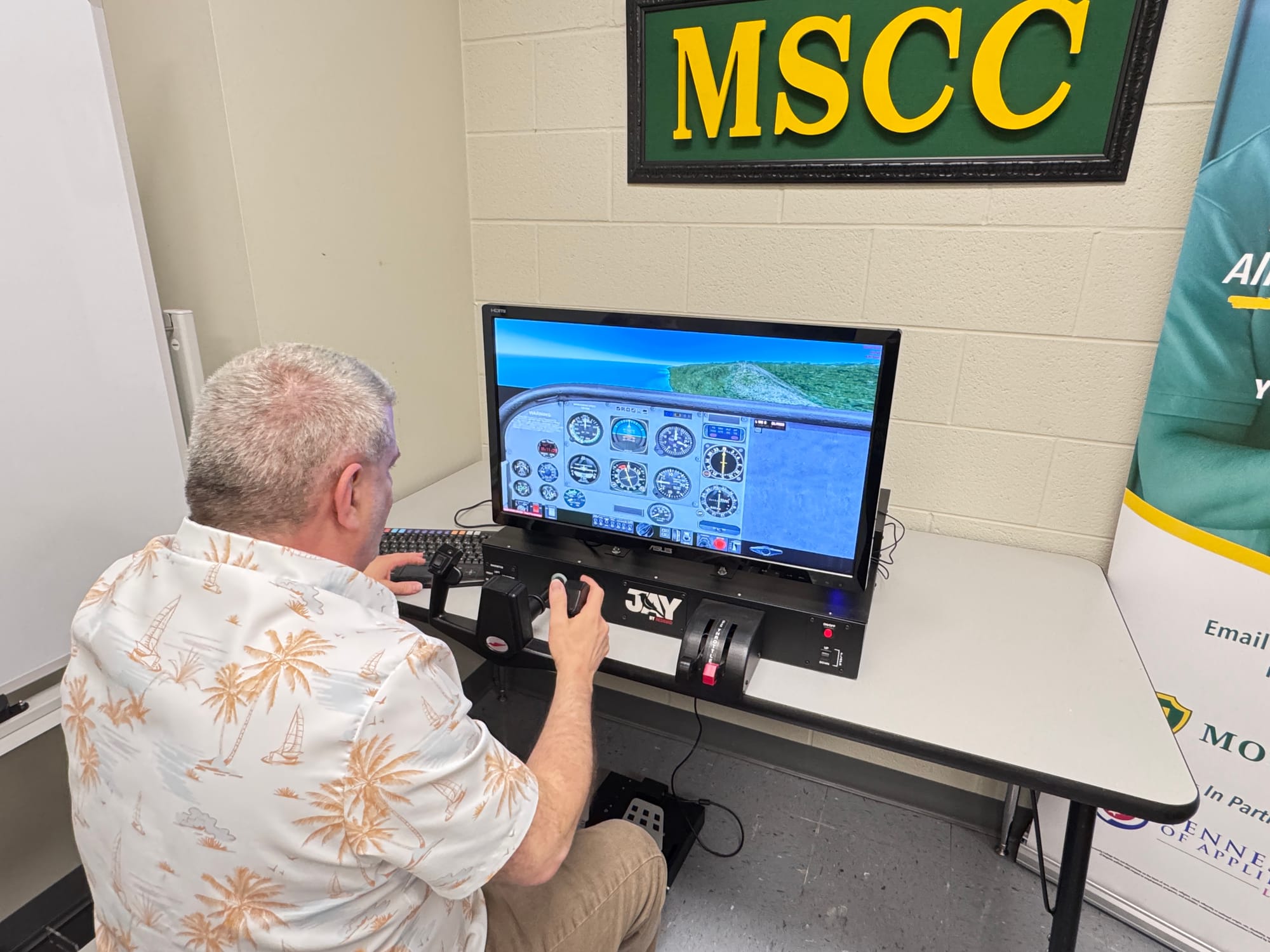
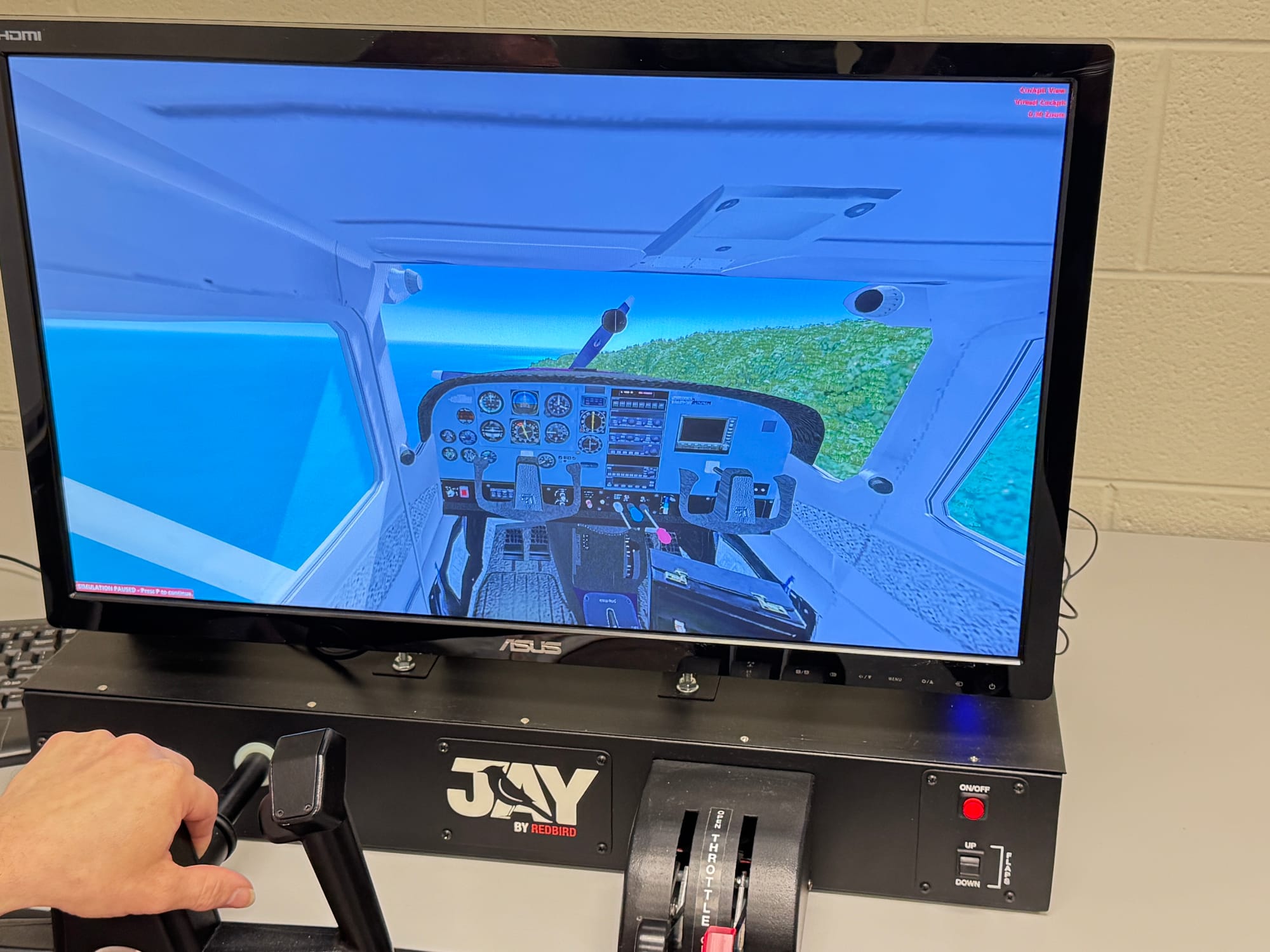
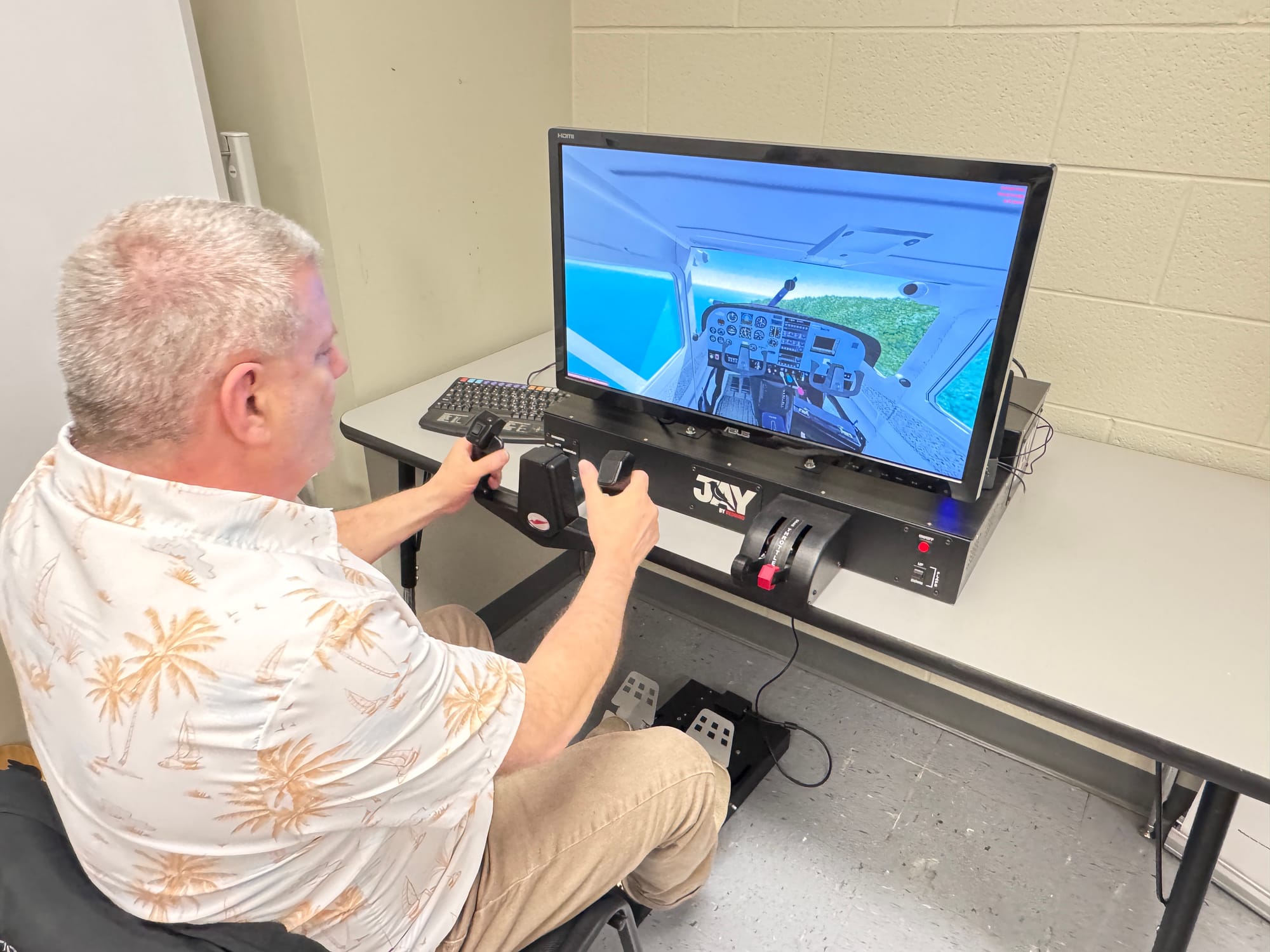
Another area drawing attention during the open house was the campus’ flight simulator program, which offers community members a unique opportunity to begin aviation training without committing to a traditional aviation degree path.
The introductory simulator training is offered free of charge and is available to anyone in the community — whether they are a Motlow student or not. Participants simply schedule time through the Sparta campus and can complete the simulator work at their own pace.
From there, individuals can move into the next phase of training through a partnership with the Upper Cumberland Regional Airport, where students work alongside an instructor using a full simulator environment. That eight-week portion of the program costs as little as $299.
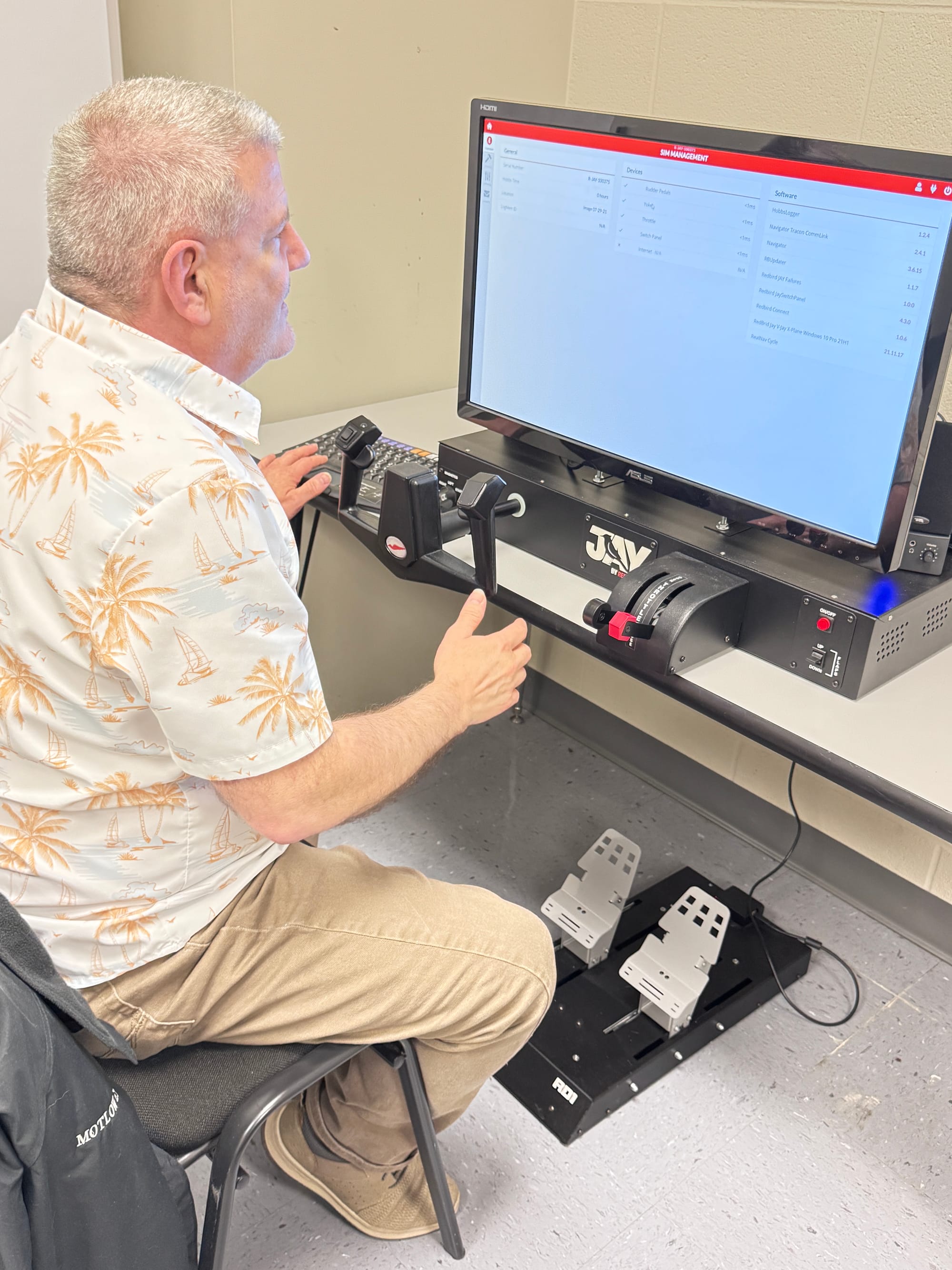
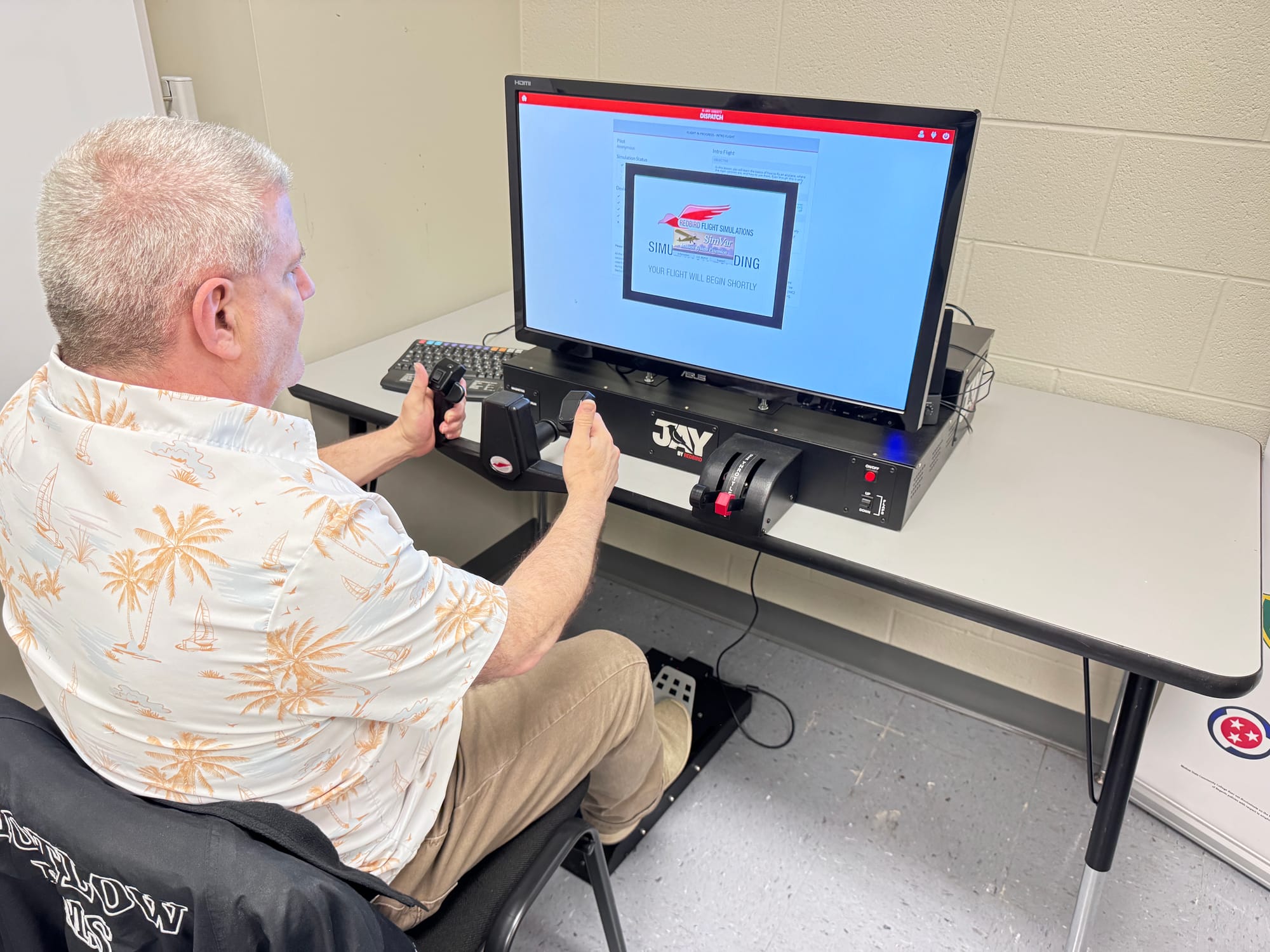
Campus officials also highlighted a newer workforce-focused certificate program aimed at individuals already working in industry who want to strengthen their skills and position themselves for advancement into leadership or management roles.
The non-credit program focuses on practical workplace knowledge including supply chain operations, human resources practices, conflict resolution, computer applications, and other management-related skills. Because it is a stand-alone workforce certificate, enrollment as a traditional Motlow student is not required.
The Sparta campus is also working directly with local industry through partnerships designed to make workforce training more accessible to employees already balancing full-time jobs.
One example is Motlow’s partnership with BASF, where employees pursuing industry certifications can count classroom time toward their regular workweek hours. Instead of working a full 40-hour week and then attending classes on top of that, participating employees can subtract class time from their work schedule while still receiving full weekly pay.
The concept benefits both workers and employers, allowing employees to gain additional skills without creating an unsustainable workload while also helping industries strengthen and modernize their workforce.
Traditional college coursework still remains a major part of the Sparta campus as well, though officials emphasized the flexibility students now have in how they complete those classes.
Students can attend in-person courses at the Sparta site, where roughly 15 on-campus classes are offered each week. Others choose fully online courses that allow coursework to be completed around work and family schedules while still meeting assignment deadlines and testing requirements.
A third option allows students to attend through live Zoom-based instruction, giving them real-time interaction with professors and classmates while also offering recorded sessions that can be watched later if a student misses class.
The Sparta campus currently serves around 200 students each semester, though only a small percentage fit the traditional image of a full-time college student attending classes immediately after high school.
Many students are dual-enrollment participants through a partnership with White County High School, while a significant portion are enrolled in one of the emergency medical programs.
According to Sparta Site Director Thomas Turner, that changing student makeup is part of a larger effort to reshape how the community views the campus itself.
Rather than seeing Motlow only as a starting point before transferring elsewhere, Turner wants residents to see the Sparta campus as a place to build practical skills, earn certifications, start careers, advance professionally or simply explore opportunities that may not have seemed accessible before.
At the same time, the traditional college pathway remains intact for students pursuing associate degrees or planning to transfer credits into four-year programs.
Motlow is currently enrolling students for its summer semester, which begins May 26. The summer schedule includes two four-week half-semesters as well as a full eight-week term. Fall semester classes are scheduled to begin in late August.